Carrot puree is one of those kitchen staples that sounds simple but holds a world of potential. Done right, it's sweet, velvety, and incredibly versatile. Done wrong, it can be watery, bland, or grainy. After making this for everything from baby's first meals to elegant dinner party sides for over a decade, I've dialed in a method that works every single time. This isn't just about boiling and blending carrots. It's about unlocking their natural sweetness and achieving a texture that's perfect for whatever you need—whether that's a standalone side, a soup base, or a first food for your little one. Let's get into it.
What You'll Find in This Guide
Why This Carrot Puree Recipe Actually Works
Most recipes tell you to boil carrots until tender. That's fine, but it's a quick route to washed-out flavor and waterlogged texture. The core principle here is concentration of flavor. By steaming or roasting, you cook the carrots with less direct water contact, preserving more of their natural sugars and nutrients. Adding just a touch of fat (butter or oil) and seasoning before pureeing isn't just for taste—it helps carry and round out the flavors, making the puree taste more... well, like carrots. For baby food, you skip the salt and use water or breast milk to thin it. The process is adaptable, but the goal is constant: a puree that's smooth, sweet, and holds its body.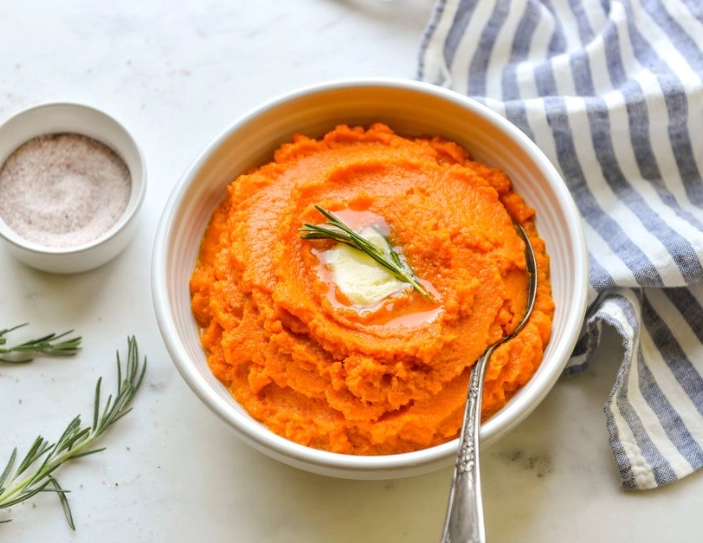
Ingredients and Tools You'll Need
Keep it simple. The carrot is the star.
Essential Ingredients:
- Carrots: 1.5 to 2 pounds. Go for fresh, firm carrots. Bagged "baby carrots" work in a pinch, but whole carrots often have better flavor. Don't bother peeling organic carrots if you give them a good scrub—the skin has nutrients.
- Liquid: About 1/2 to 3/4 cup. This is your texture control. Options include: water (from steaming/boiling), vegetable or chicken broth (for savory dishes), unsalted butter & water combo, breast milk, or formula (for baby food).
- Seasoning (Optional for non-baby uses): A pinch of salt, a grind of black pepper, a tiny bit of fresh thyme or a pinch of ground cumin can work wonders.
Equipment: You don't need fancy gear. A good chef's knife and cutting board, a pot with a steamer basket or a sheet pan for roasting, and a blender or food processor are the core tools. An immersion blender can work, but a countertop blender usually gives the smoothest result, especially for infant purees.
How to Make Carrot Puree: A Step-by-Step Guide
Step 1: Choose Your Cooking Method
This is the biggest decision point. Each method gives a slightly different flavor profile and texture.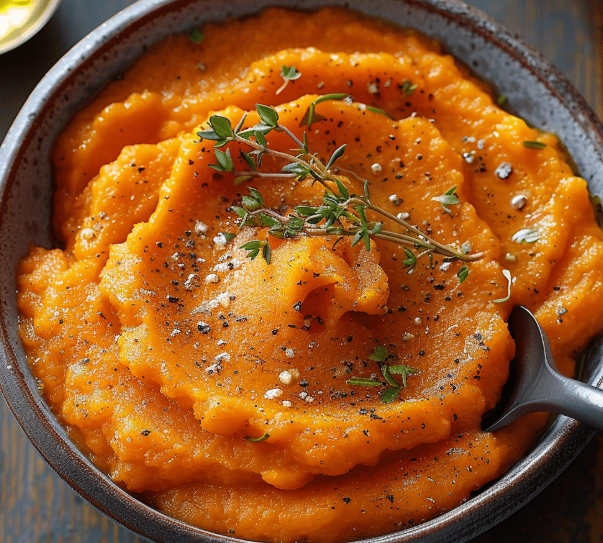
| Method | Best For | Flavor Profile | Key Point |
|---|---|---|---|
| Steaming | Baby food, brightest color, clean carrot taste | Sweet, fresh, pure | Preserves the most nutrients and color. Use the steaming water to blend. |
| Roasting | Gourmet sides, soups, deeper flavor | Concentrated, caramelized, nutty | Toss chunks with a little oil, roast at 400°F (200°C) until tender and browning. |
| Boiling | Speed, convenience | Milder, can be watery | Easiest to overcook and dilute flavor. Use minimal water. |
My default is steaming. It's the sweet spot between ease, nutrition, and a reliable, vibrant result. Roasting is my choice when I'm making a puree to accompany a roast chicken or lamb.
Step 2: Cook Until Very Tender
This is non-negotiable. The carrots should be so soft that a fork or knife slides through with zero resistance. Undercooked carrots will never become smooth, no matter how long you blend them. You'll end up with a grainy, unpleasant texture. For steaming, this usually takes 15-20 minutes. Don't guess—test a piece.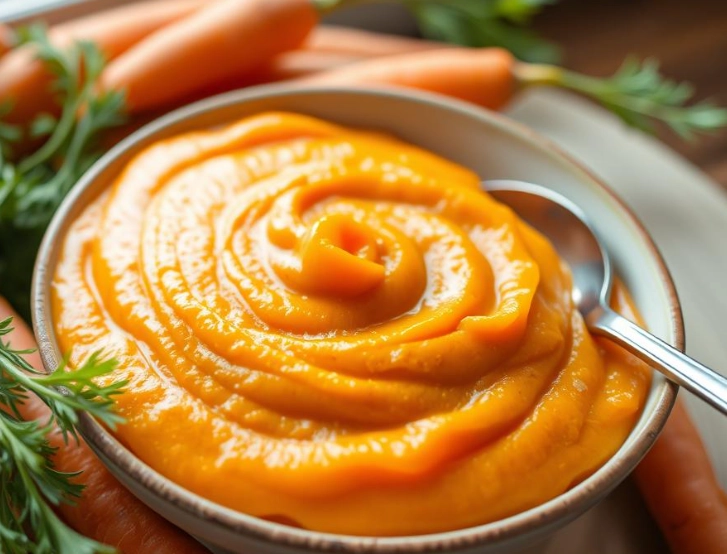
Step 3: Blend with Precision
Transfer the hot carrots to your blender or food processor. Add your chosen liquid gradually. Start with about 1/4 cup. Blend, scrape down the sides, and assess. The goal is a smooth, glossy paste. Add more liquid, a tablespoon or two at a time, until you hit your desired consistency. For baby food, you'll likely need more liquid for a easily swallowed texture. For a side dish, you might want it thicker, almost like mashed potatoes.
Here's where a common mistake happens: adding all the liquid at once. It's much easier to thin a thick puree than to thicken a runny one. If you overdo it, you can try simmering it in a pan to evaporate some water, or add a thickener like a cooked potato.
Step 4: Season and Finalize
Once blended, taste it. For adult or family meals, now is the time to add a pinch of salt, pepper, or a pat of butter. Blend again briefly to incorporate. For baby food, leave it plain or thin with a familiar liquid like breast milk.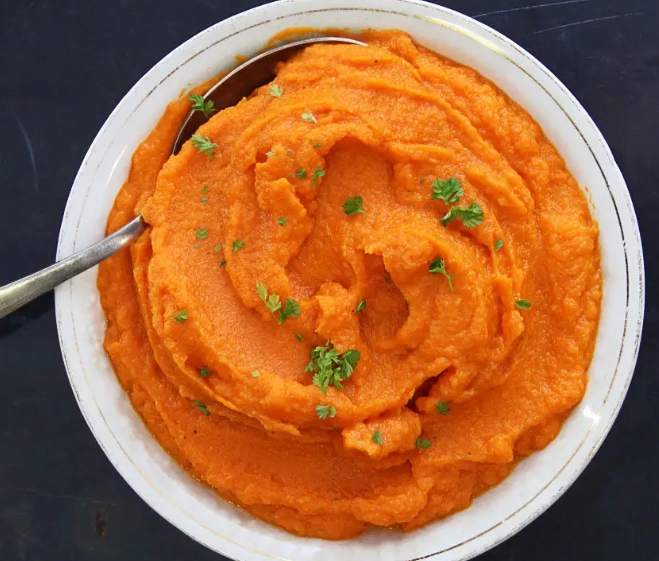
Texture and Flavor Secrets Most Recipes Skip
Want to move from good to great? These are the little things I've learned.
For a Silkier Texture
After blending, press the puree through a fine-mesh sieve with the back of a spoon. It's a bit of extra work, but it catches any remaining fibrous bits and gives you an unbelievably silken texture, crucial for very young babies or ultra-refined dishes.
For Richer Flavor (Non-Baby)
Sweat a small, finely chopped shallot in the butter before adding your cooked carrots to the blender. Or, add a teaspoon of maple syrup or a dash of orange juice to the carrots before cooking. It amplifies the natural sweetness without tasting "added." A tiny pinch of ground ginger or cinnamon can be magical in autumn-themed purees.
How to Use Your Carrot Puree: Beyond the Bowl
This is where the recipe pays off. Don't just eat it with a spoon.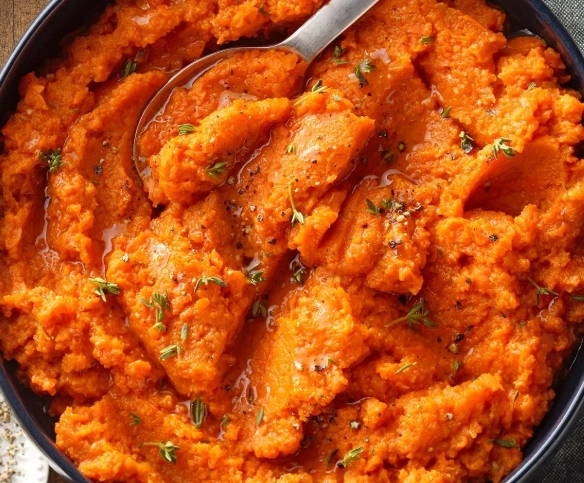
- Baby Food: The obvious one. Portion into ice cube trays, freeze, and store cubes in a bag for instant, homemade meals.
- Soup Starter: Sauté onion and celery, add carrot puree and broth, simmer. Instant cream of carrot soup base without the need for heavy cream.
- Pasta Sauce: Thin the puree with a bit of pasta water and toss with hot pasta, adding black pepper and Parmesan. Kids love it.
- Baking Secret: Adds moisture, natural sweetness, and nutrients to muffins, quick breads, and pancakes. Substitute for about half the oil or butter in a recipe.
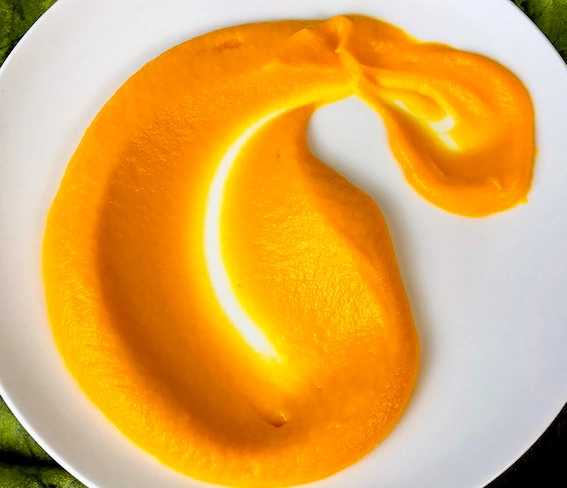
- Elegant Side: Serve a swoosh under roasted chicken, fish, or seared scallops. Garnish with fresh herbs.
Storage and Meal Prep: Make It Last
Fresh puree keeps in the fridge for 3-4 days in a sealed container. For longer storage, freezing is your friend.
Freezing for Baby Food: The ice cube tray method is king. Once frozen solid, pop the cubes into a labeled freezer bag. Each cube is roughly one ounce, perfect for portioning.
Freezing for Family Meals: Portion into half-cup or one-cup servings in small containers or freezer bags, pressing flat to save space and speed thawing.
Thaw overnight in the fridge or gently in a bowl of warm water. Always stir well after reheating, as separation can occur.