Sea bream is one of those fish that sounds fancy but is actually incredibly simple to cook well. I’ve been cooking it for over a decade, from tiny tavernas in Greece to my own kitchen, and the biggest mistake I see? People overcomplicate it. They drown it in sauce or cook it to rubber. A great sea bream recipe is about restraint—letting the sweet, clean flavor of the fish shine. Whether you call it orata, dorade, or gilthead bream, this guide will show you how to handle it like a pro. We’ll focus on two foolproof methods: oven-roasting for hands-off ease and pan-searing for that restaurant-quality crispy skin. Forget the intimidation; you’re about to make a seriously good dinner.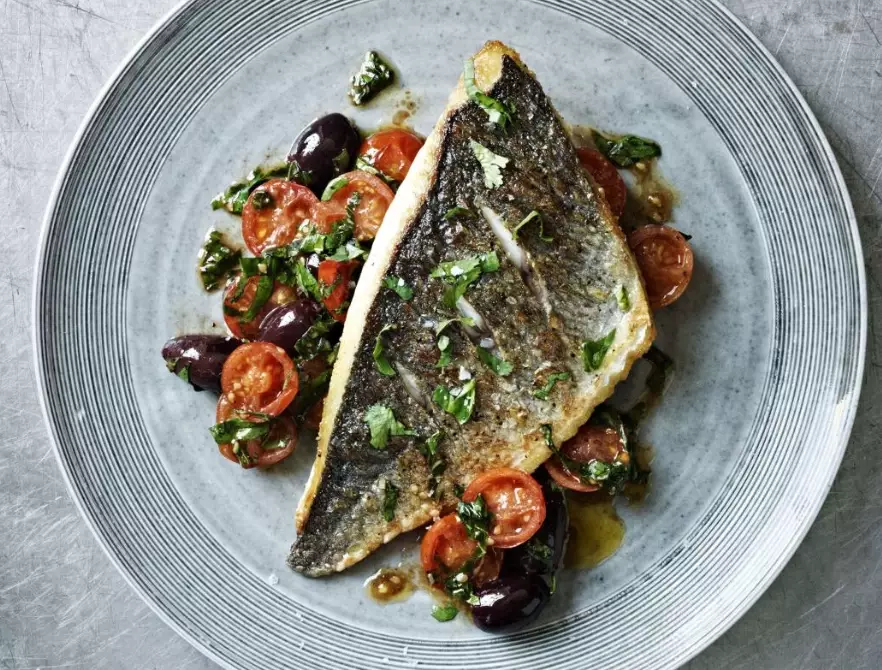
What You’ll Learn in This Guide
How to Choose the Best Sea Bream
Your dish starts at the fish counter. A poor-quality fish will never taste great, no matter the recipe. Here’s what to look for, based on what fishmongers have told me and years of trial and error.
Pro Tip: Always ask if the fish is line-caught. It’s not just an ethical buzzword. Line-caught sea bream is handled better, suffers less stress, and the flesh is almost always of superior quality—firmer and less bruised than net-caught. It might cost a bit more, but the difference is noticeable.
Freshness is non-negotiable. The eyes should be clear, convex, and glossy, not cloudy or sunken. Gills need to be bright red, not brown or slimy. Press the flesh gently; it should spring back immediately, leaving no indentation. The smell is the ultimate test. It should smell like the clean ocean—briny and fresh—not “fishy” or ammonia-like. A strong fishy odor means it’s already breaking down.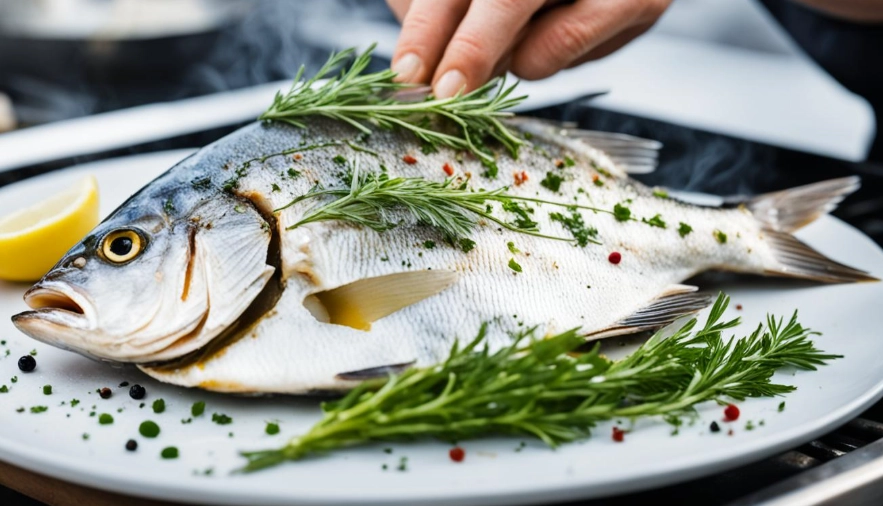
Whole Fish vs. Fillets
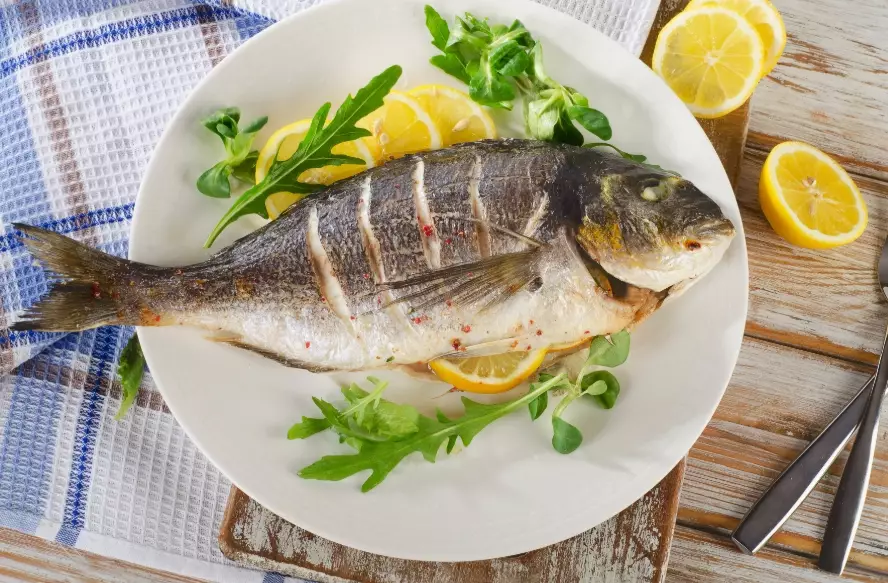
For a classic Mediterranean sea bream presentation, go for a whole fish (scaled and gutted). Cooking on the bone adds immense flavor and keeps the flesh incredibly moist. A 1 to 1.5 lb (450-700g) fish is perfect for one person. If you’re nervous about bones, ask your fishmonger to fillet it for you. But honestly, the bones in a sea bream are large and easy to navigate once cooked. Fillets are convenient for a quick weeknight meal, but you miss out on the flavor and presentation drama of the whole fish.
| Criteria | What to Look For (The Good) | What to Avoid (The Bad) |
|---|---|---|
| Eyes | Clear, bright, slightly bulging | Cloudy, sunken, grayish |
| Gills | Vibrant red or pink, moist | Brown, gray, slimy, or dry |
| Skin & Scales | Shiny, metallic sheen, scales tight | Dull, discolored, loose scales |
| Smell | Clean, fresh, like sea breeze | Strong, sour, ammonia-like |
| Texture (when pressed) | Firm, springs back instantly | Soft, leaves a fingerprint |
How to Cook Sea Bream in the Oven (The Easiest Method)
Roasting a whole sea bream in the oven is my go-to for stress-free entertaining. It’s almost impossible to mess up, looks impressive, and frees you up to make sides or talk to guests. The key is high heat and not overcrowding the pan.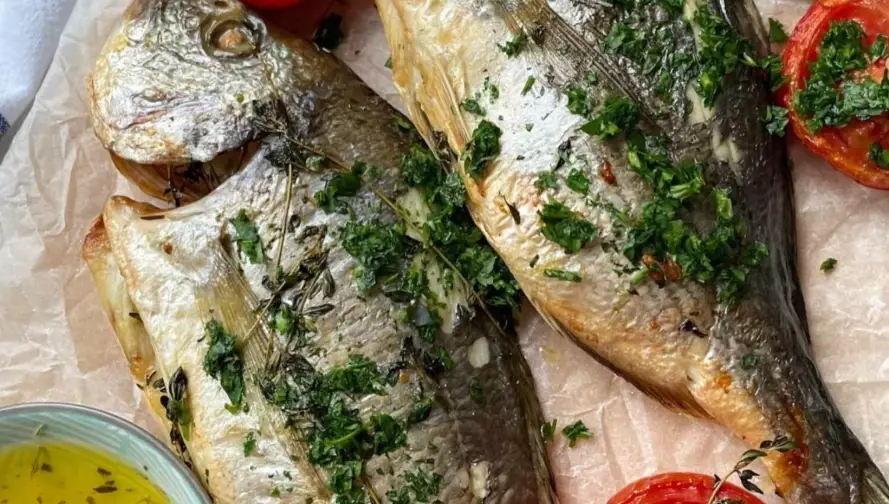
Step 1: Prep the Fish (The Most Important 5 Minutes)
Pat the fish completely dry inside and out with paper towels. This is the secret to crispy skin, not steam. Make 3-4 diagonal slashes on each side, down to the bone. This helps heat penetrate evenly and allows seasoning to get inside. Now, season aggressively. I rub a little olive oil all over, then get salt and pepper into the cavity, the slashes, everywhere. A mistake? Using fine table salt. Use coarse sea salt or kosher salt—it seasons more evenly and helps draw out moisture for crisping.
Step 2: Create a Flavor Bed
Don’t just throw the fish on a bare tray. Layer a baking sheet with sliced lemon, onion, and hardy herbs like rosemary and thyme. Drizzle with oil. This creates a roasting rack that steams the fish with flavor from below and prevents sticking. It also makes an instant sauce base.
Step 3: Roast at High Heat
Preheat your oven to 425°F (220°C). This high temperature is crucial for that quick, flavorful cook. Place the prepared fish on the herb-lemon bed. For extra flavor, stuff the cavity with a few lemon slices and herbs. Roast for about 15-20 minutes for a 1.5 lb fish. The rule of thumb is 10 minutes per inch of thickness at the thickest part. It’s done when the flesh at the thickest part (near the head) is opaque and flakes easily with a fork. An instant-read thermometer should read 145°F (63°C).
Let it rest for 5 minutes before serving. This allows the juices, which have rushed to the center during cooking, to redistribute throughout the flesh. If you cut in immediately, all that beautiful moisture will just run out onto the plate.
How to Pan-Sear Sea Bream for Crispy Skin
If you want that crackling, salty, crisp skin you get in good restaurants, pan-searing is the way. This method works best with fillets, but you can also do a butterflied whole fish. The challenge is getting the skin crisp without overcooking the delicate flesh.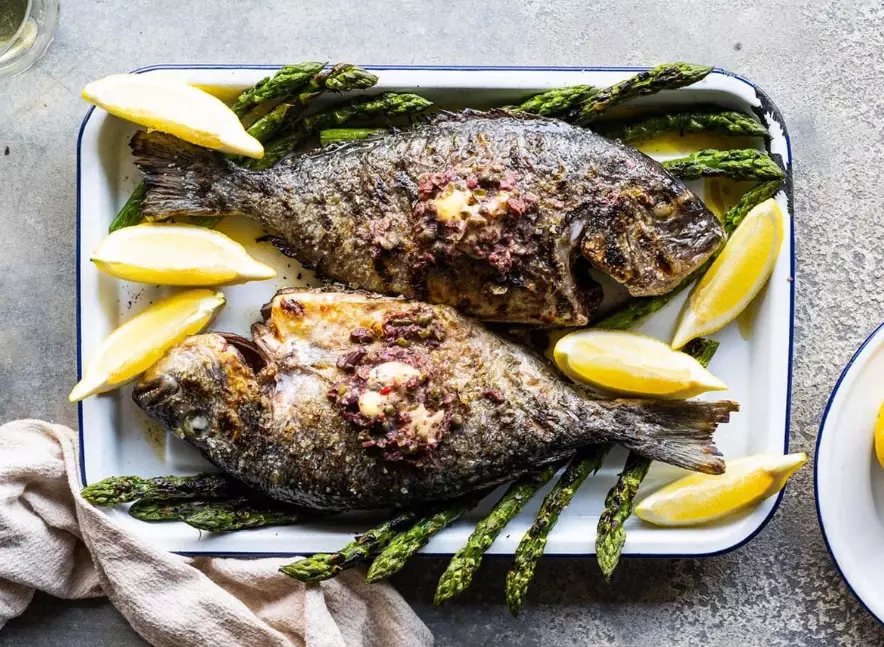
Start with skin-on fillets. Dry them even more meticulously than for roasting. Season the flesh side. Now, here’s the non-consensus tip most recipes miss: Season the skin side just before it goes in the pan, not earlier. If you salt the skin too far in advance, it draws out moisture, which then sits on the skin and prevents it from crisping properly. Salt it at the last second.
Use a heavy-bottomed skillet (cast iron or stainless steel is ideal) and get it properly hot over medium-high heat. Add a thin layer of a high-smoke-point oil like grapeseed or avocado oil. Place the fillets in the pan skin-side down. Do not move them. Press down gently with a spatula for the first 10 seconds to ensure full contact. This is what gives you an evenly golden, crisp sheet of skin.
Cook for about 80-90% of the total time on the skin side. For a standard ¾-inch thick fillet, that’s roughly 4-5 minutes. You’ll see the flesh turning opaque from the bottom up. When it’s opaque about 80% of the way up the side, flip it. The skin should release easily and be golden and crisp. Cook for just 30-60 seconds on the flesh side to finish it off. Serve immediately, skin-side up.
The Best Flavors to Pair With Sea Bream
Sea bream’s mild, slightly sweet flavor is a blank canvas, but it loves Mediterranean and Asian accents. Avoid heavy, creamy sauces that overwhelm it.
- The Classic Mediterranean: Lemon, garlic, olive oil, rosemary, thyme, oregano. A simple gremolata (chopped parsley, lemon zest, garlic) sprinkled over at the end is magic.
- Bright & Herbaceous: A salsa verde with capers, parsley, anchovy, and vinegar cuts through the richness beautifully.
- Asian-Inspired: Ginger, scallions, soy sauce, and a touch of sesame oil. Steam the fish with these aromatics or use them in a light glaze.
- What to Serve it With: Keep sides simple and fresh. Think roasted cherry tomatoes, steamed asparagus, a crisp fennel and orange salad, herby rice pilaf, or just some crusty bread to soak up the juices.
Your Sea Bream Cooking Questions Answered
Can I use frozen sea bream for this recipe?
You can, but thaw it slowly and completely in the refrigerator overnight. Never thaw at room temperature or in water, as it ruins the texture. Pat it extremely dry after thawing. The skin on frozen fillets often won’t crisp up as well as fresh, so the oven method might be more reliable. For the best results, fresh is always superior.
 My sea bream skin is always soggy when I pan-sear. What am I doing wrong?
Three likely culprits. First, the fish wasn’t dry enough. Pat it like you’re trying to erase a stain. Second, the pan wasn’t hot enough. Wait until the oil shimmers and just starts to lightly smoke. Third, you moved it too soon. Let it form a crust; it will release naturally when ready. And remember my tip: salt the skin at the last second before cooking.
How do I know when the sea bream is perfectly cooked?
For a whole fish, the eyes will turn white. The flesh at the thickest part (behind the head near the top fin) should flake easily with a gentle pull from a fork. It should be opaque all the way through. The most accurate tool is an instant-read thermometer inserted into the thickest part, avoiding the bone—it should read 145°F (63°C). It will continue to cook a little as it rests, so take it out just as it hits that temperature.
Is sea bream a good choice for a healthy diet?
Absolutely. Sea bream is an excellent source of lean protein and is rich in omega-3 fatty acids, which support heart and brain health. According to nutritional data from sources like the USDA, it also provides essential vitamins like B12 and selenium. It’s a low-calorie, high-nutrient option, especially when cooked with minimal added fats using methods like roasting or steaming.
What’s the difference between sea bream and sea bass?
They’re often confused. Sea bream (like gilthead) has a rounder, taller body, a distinctive gold marking between its eyes, and a slightly sweeter, more delicate flavor. Sea bass (like European bass) is more elongated, silver, and has a firmer, more robust flavor. Both are fantastic, but bream is often considered a touch more refined and is a staple in classic Mediterranean cuisine.