Let's get one thing straight from the start: making authentic taho at home is not just possible, it's surprisingly simple once you know the exact ingredients and the one technique most online recipes get wrong. I've spent years trying to replicate the perfect, silky texture and that distinct caramel-like syrup (arnibal) from the street vendors in Manila, and after more failed batches than I care to admit, I cracked the code. This isn't a vague approximation; this is the real deal.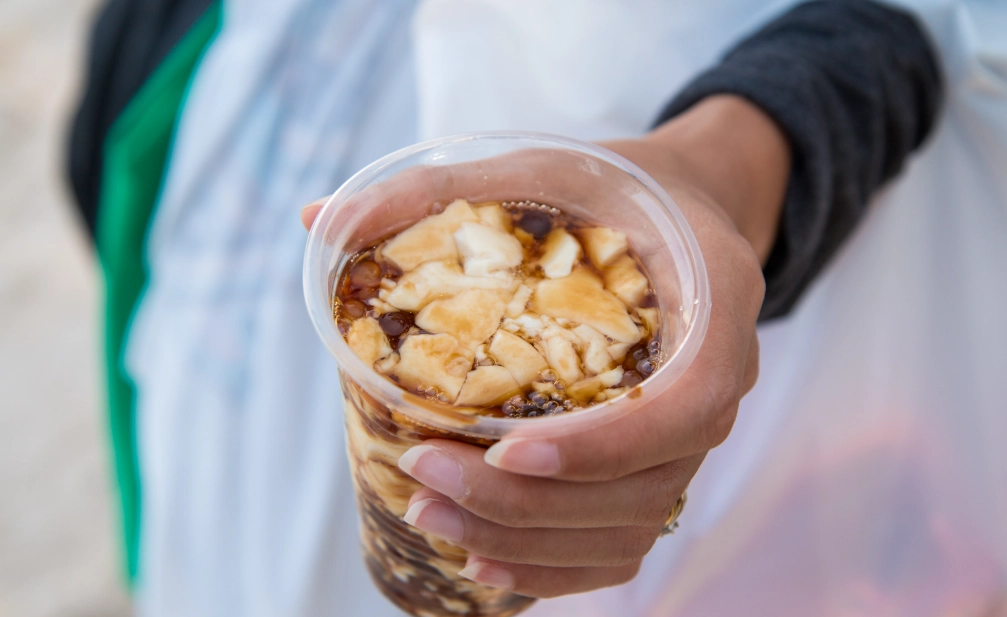
Your Taho-Making Roadmap
What is Taho? More Than Just a Snack
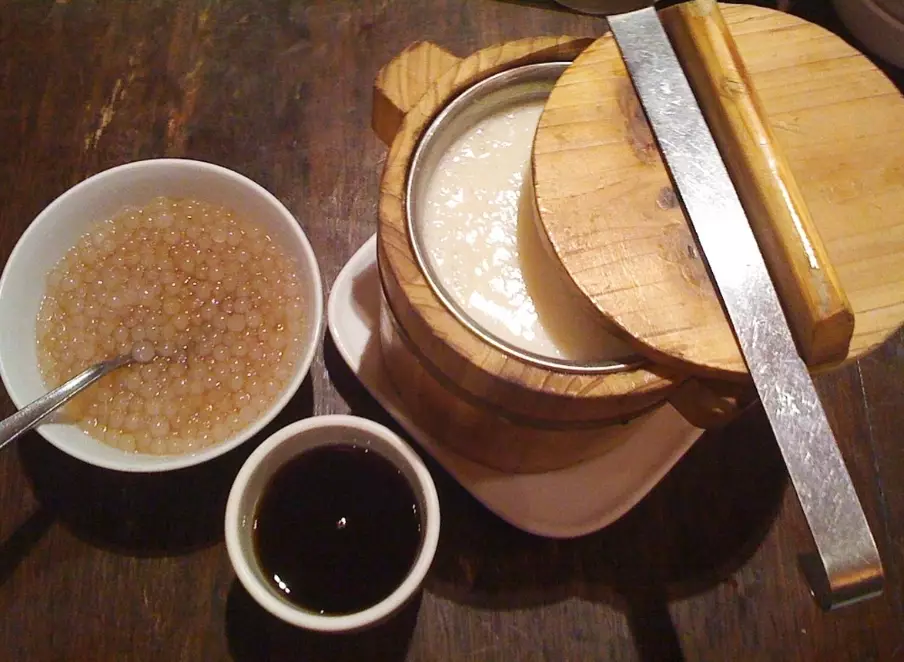
If you've never had it, describing taho is tricky. It's not a drink, not quite a soup, and only loosely a pudding. It's a warm, comforting Filipino street food served in a cup, made of three distinct layers: incredibly soft, silken tofu at the bottom, a generous spoonful of giant sago pearls (tapioca pearls) in the middle, and all of it drowned in a warm, sweet syrup called arnibal. You eat it with a spoon, usually for breakfast or as an afternoon pick-me-up.
The magic is in the contrast. The bland, delicate tofu acts as a perfect canvas for the intensely sweet, almost burnt-sugar flavored syrup. The sago pearls add a delightful, chewy texture that breaks up the smoothness. Hearing the vendor's call of "Tahoooo!" and getting a freshly poured cup is a core memory for most Filipinos. The good news? You don't need to book a flight to experience it.
The 3-Ingredient Breakdown: Why Each One Matters
Authenticity lives and dies by your ingredients. Get these right, and you're 90% of the way there.
| Ingredient | The Authentic Choice & Why | Where to Find It |
|---|---|---|
| Tofu | Extra Soft or Silken Tofu (Kinugoshi). This is non-negotiable. The block should jiggle like a giant, white custard. Regular soft or medium tofu is too firm and grainy; it won't give you that melt-in-your-mouth, almost drinkable quality. The protein content should be low (around 5-7g per 100g). | Asian grocery stores in the refrigerated section. Look for brands like Mori-Nu Silken Tofu (aseptic pack) or any fresh "soft silken" or "extra soft" tofu in water. |
| Sago Pearls | Giant Tapioca Pearls (Sago). Not the small boba pearls. We're talking about the ones that are about 5-8mm in diameter when cooked. They become translucent with a visible white dot in the center and have a uniquely soft yet substantial chew. | Asian grocery stores, in the dry goods aisle near flours and beans. Sold in plastic bags. |
| Arnibal (Syrup) | Dark Brown Sugar (Muscovado or Panutsa) + Water + Vanilla. White sugar won't cut it. You need the deep molasses flavor and dark color of Filipino dark brown sugar (muscovado) or even crushed raw sugar cane cakes (panutsa). This is what gives taho its signature taste. | Muscovado sugar is in most well-stocked supermarkets or Asian stores. Panutsa is found in Filipino stores. |
Pro Tip from the Streets: Many veteran taho makers add a tiny pinch of salt to the arnibal. It doesn't make it salty; it heightens the caramel flavor and balances the sweetness perfectly. Try it.
How to Make Authentic Taho at Home: A Step-by-Step Guide
Let's build your taho. We'll tackle the components separately, then assemble.
Part 1: Preparing the Silken Tofu
This is the most delicate part. If your tofu comes in an aseptic pack (like Mori-Nu), you can simply drain it. If it's in a tub of water, you need to handle it with care.
Gently transfer the whole block to a shallow, heat-proof bowl. You want to warm it, not cook it. The goal is to take the chill off and make it body-temperature warm, just like the street vendors do. The best method is to steam it for 5-7 minutes. No steamer? Place the bowl in a larger pan with an inch of simmering water (double-boiler style). Microwaving in short 15-second bursts works in a pinch, but it can create hot spots.
Once warmed, use a large spoon to gently scoop the tofu directly into serving cups or bowls. Don't mash or stir it. You want to preserve those large, custardy curds.
Part 2: Cooking the Giant Sago Pearls
This is where patience pays off. For 1/2 cup of dry giant sago pearls, bring a large pot of water to a rolling boil—the more water, the better. Add the pearls and stir immediately to prevent sticking.
Boil for 30-45 minutes, stirring occasionally. They will float initially, then sink. You'll know they're done when they are fully translucent with that small white dot in the middle. Turn off the heat, cover the pot, and let them sit in the hot water for another 20 minutes. This finishing step is crucial for the perfect chew.
Drain and rinse under cold water to stop the cooking. Store them in a little cold water until assembly.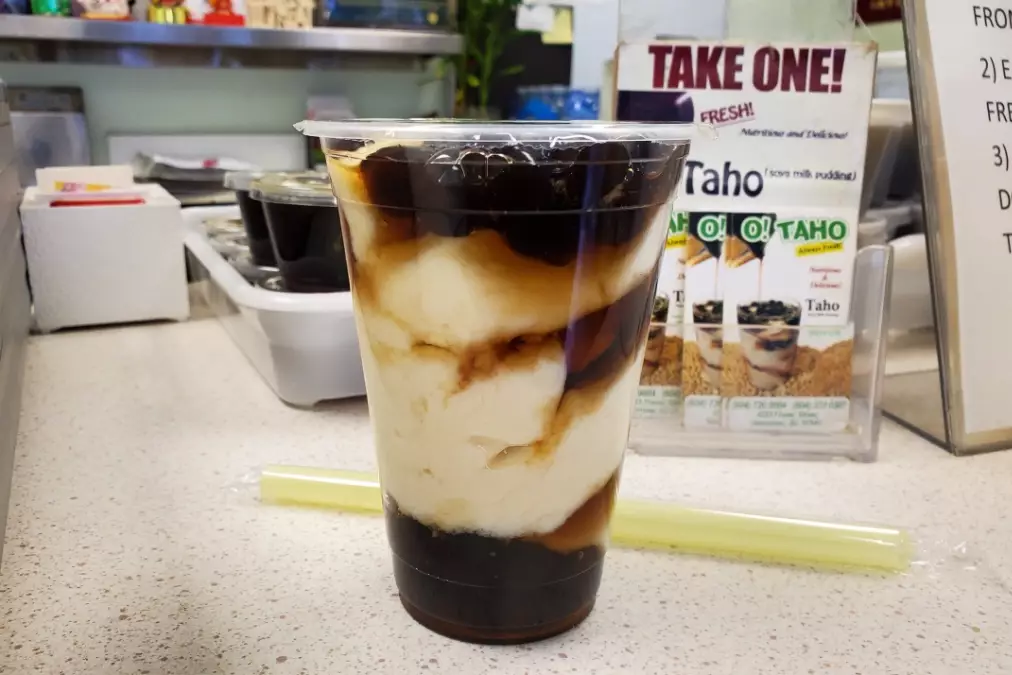
Part 3: Making the Arnibal (The Soul of Taho)
Combine 1 cup of dark brown sugar (packed) with 1 cup of water in a saucepan. For a more authentic, almost smoky depth, use half muscovado and half panutsa if you have it. Add that tiny pinch of salt and half a teaspoon of vanilla extract.
Heat over medium, stirring until the sugar dissolves completely. Then, let it simmer gently for 8-12 minutes. Don't stir much during this time. You're not making candy; you're aiming for a thin syrup that coats the back of a spoon. It will thicken slightly as it cools. Let it cool for 5 minutes before using—it should be warm, not scalding hot.
Assembly is simple: Warm tofu in the cup, a heaping tablespoon of drained sago pearls on top, then liberally pour the warm arnibal over everything.
What are the Common Mistakes When Making Taho?
I've seen every error in the book, mostly because I've made them myself.
The #1 Mistake: Using the wrong tofu. Firm or even regular soft tofu creates a coarse, bouncy texture. It feels like eating sweetened scrambled eggs, not taho. If your tofu holds its shape when you scoop it, it's too firm.
Overcooking the sago is another. They turn into a gummy, sticky blob. Follow the boil-then-steep method for perfect pearls.
With the arnibal, boiling it too hard or too long makes it too thick. When it cools, it becomes like sticky toffee and doesn't seep into the tofu. You want a syrup, not a caramel sauce. If it threads when you drop it from a spoon, it's too thick—just add a teaspoon of hot water to thin it.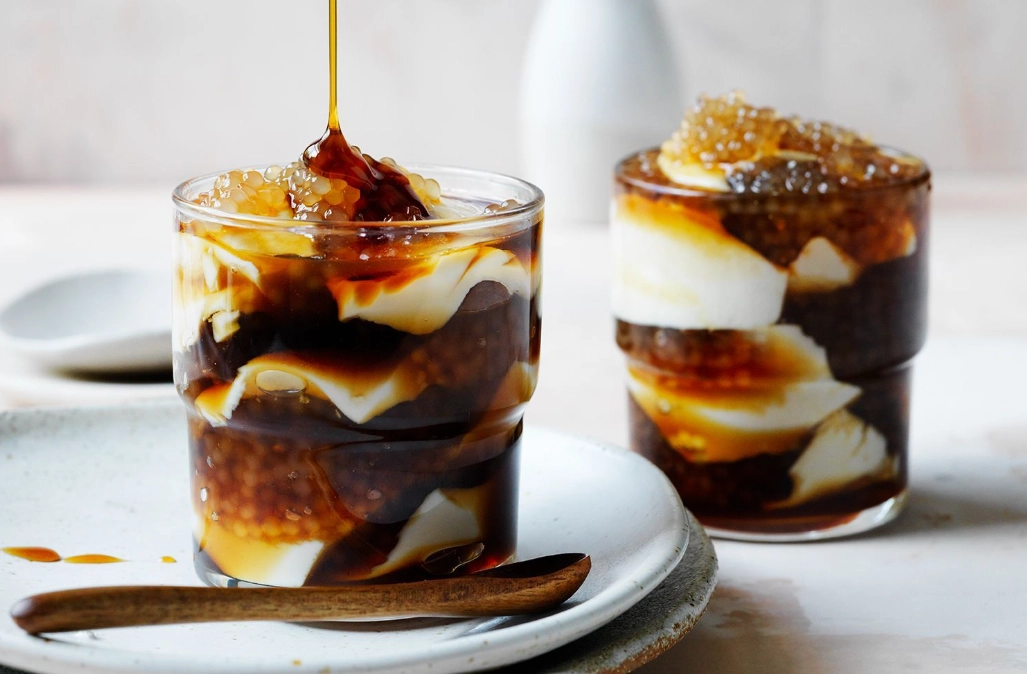
Serving, Storing, and Getting Creative
Serve it immediately, warm. That's the classic way. Leftover components store separately: tofu (covered in water) and sago (in water) in the fridge for 2-3 days. The arnibal can sit in a jar at room temperature for weeks.
Feeling adventurous? A modern twist is serving it cold during summer. Chill the tofu and sago, and use the arnibal as a syrup. Some people add a drizzle of condensed milk for extra richness, or even a sprinkle of toasted sesame seeds. It's your taho now.
Your Taho Questions, Answered