Let's cut to the chase. You want a creamy, luxurious seafood risotto but think it's reserved for fancy restaurants or hours of stirring. I'm here to tell you that's a myth. A good, easy seafood risotto recipe is totally achievable on a regular weeknight, in one pot, with results that will make you feel like a pro. The secret isn't constant stirring—it's understanding a few key principles. I learned this the hard way after a decade of cooking, including a famously gluey shrimp and rice disaster that still haunts me. This guide will walk you through everything, from picking the right rice to that final, perfect mantecatura (the Italian term for the creamy finish).
What You'll Find in This Guide
The Ingredients: Why Each One Matters
Great risotto starts with great ingredients. You don't need a dozen things, but the ones you use need to pull their weight. Here’s the complete lineup.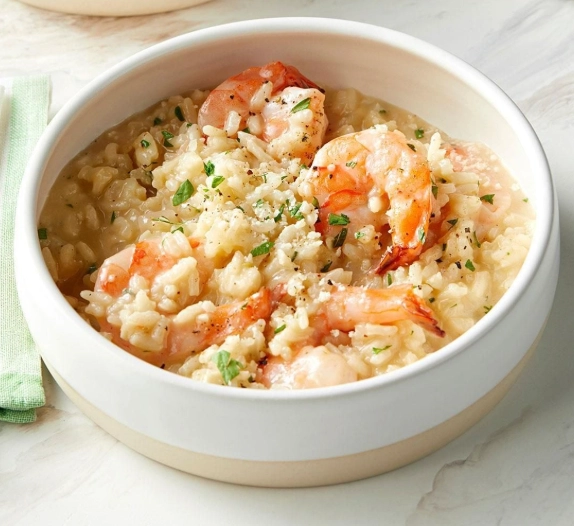
| Ingredient | Quantity | Notes & Why It's Here |
|---|---|---|
| Arborio Rice | 1 ½ cups (300g) | Non-negotiable. Its high starch content is what creates the creaminess. Carnaroli is a premium upgrade, but Arborio is perfect for this easy recipe. |
| Mixed Seafood | 1 lb (450g) | Use a mix like shrimp, scallops, and mussels. Frozen is absolutely fine—thaw in the fridge. For a budget version, use just shrimp or add some firm white fish. |
| Fish or Seafood Stock | 5-6 cups (1.2-1.4L) | This is the game-changer. Don't use water or chicken stock. A good fish stock (like Better Than Bouillon seafood base) adds depth. Keep it simmering in a separate pot. |
| Dry White Wine | ½ cup (120ml) | A crisp Sauvignon Blanc or Pinot Grigio. The acid cuts through the richness. No wine? Use an extra ¼ cup stock and a squeeze of lemon juice. |
| Shallot or Onion | 1 large, finely diced | Shallot is milder and sweeter, but a yellow onion works perfectly. |
| Garlic | 3 cloves, minced | Because seafood and garlic are best friends. |
| Unsalted Butter | 4 tbsp, divided | Used in two stages: for sautéing and for the final creamy finish. |
| Parmesan Cheese | ½ cup, freshly grated | Adds saltiness and umami. Please grate it yourself—pre-grated stuff has anti-caking agents that ruin the texture. |
| Olive Oil | 2 tbsp | For cooking the aromatics. |
| Fresh Parsley | ¼ cup, chopped | For a fresh, bright finish. Chives or dill are also great. |
| Salt & Black Pepper | To taste | Go easy on salt until the end, as the stock and Parmesan are salty. |
The Foolproof Step-by-Step Process
Follow these steps in order. It's less about rigid rules and more about building layers of flavor.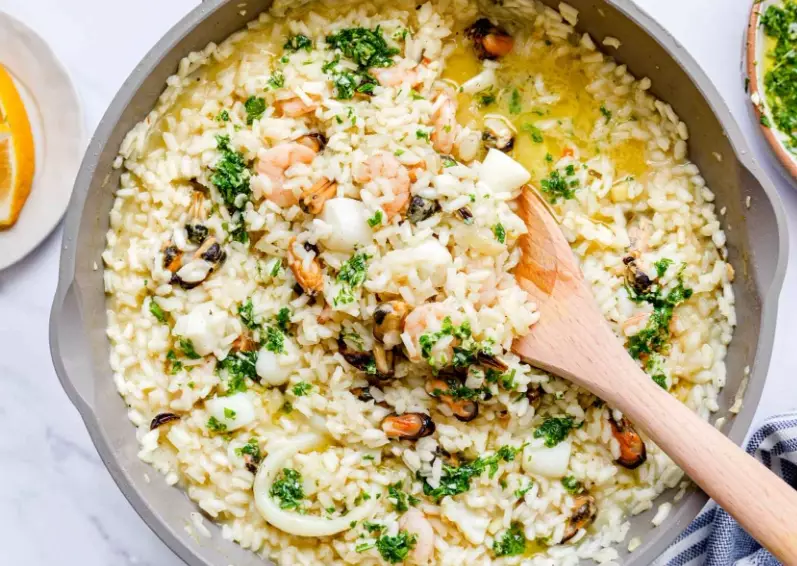
1. Prep and Sauté the Base
Get your simmering stock going first. In a wide, heavy-bottomed pan or Dutch oven, heat the olive oil and 2 tablespoons of butter over medium heat. Add the diced shallot and a pinch of salt. Cook until soft and translucent, about 5 minutes. Don't let it brown. Stir in the garlic for just 30 seconds until fragrant—burnt garlic is bitter.
2. Toast the Rice
Add the Arborio rice to the pan. Stir it around so every grain gets coated in the fat. Cook for 2-3 minutes. You'll hear it start to make a faint clicking sound and the edges might look slightly translucent. This toasting step is crucial—it seals the starch, which helps the rice keep a slight bite (al dente) later.
3. Deglaze with Wine
Pour in the white wine. It will sizzle and steam. Stir constantly until the wine is completely absorbed by the rice. This takes about 2 minutes. The alcohol cooks off, leaving behind a wonderful acidic backbone.
4. The Ladle-by-Ladle Method (It's Not What You Think)
Here's where everyone gets nervous. Add your first ladleful (about ¾ cup) of hot stock. Stir gently until most of the liquid is absorbed. The key word is most. You don't need to stir non-stop like a maniac. I stir for about 30 seconds after adding stock, then let it sit for 45 seconds, then give it another stir. This rhythm allows for even cooking without you being chained to the stove.
Repeat. Ladle, stir, absorb. This process takes about 18-22 minutes. You'll use most, but not necessarily all, of the stock. The rice is done when it's tender but still has a firm center, and the mixture is creamy but not soupy.
5. Cook the Seafood Separately
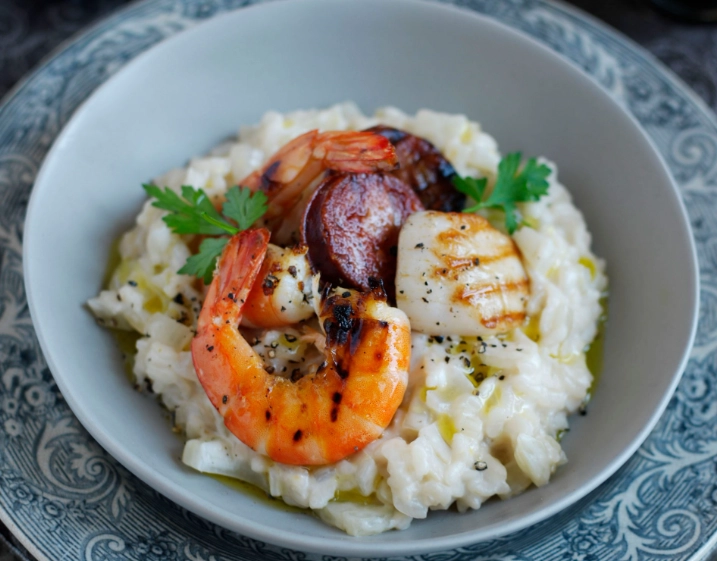
This is my non-consensus tip. Most recipes tell you to add raw seafood to the risotto. I find this leads to overcooked, rubbery shrimp and scallops. Here's what I do instead: About 10 minutes into the rice cooking, I quickly sear the seafood in a separate hot pan with a little oil. Shrimp and scallops take 2-3 minutes total. Mussels or clams can be steamed open in a splash of wine or stock. Set the cooked seafood aside. This guarantees perfectly cooked seafood every time.
6. The Creamy Finish (Mantecatura)
When the rice is done, turn off the heat. This is critical. Now, vigorously stir in the remaining 2 tablespoons of cold butter and the grated Parmesan. The residual heat will melt them into a silky, emulsified sauce that coats each grain. This step is what makes it risotto, not rice soup.
7. Final Assembly and Serve
Gently fold in your cooked seafood and most of the chopped parsley. Taste it. Does it need more salt? A crack of black pepper? Adjust now. Let it rest off the heat for 2 minutes—it will thicken slightly. Serve immediately in warm bowls, garnished with the remaining parsley.
That's it. From start to finish, you're looking at about 40 minutes, and only about 15 of those require your active attention.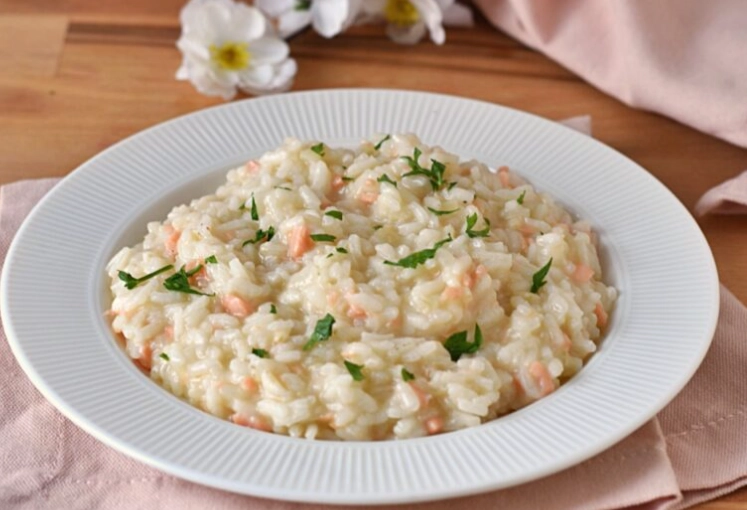
Answering Your Risotto Questions
Can I make any parts of this easy seafood risotto ahead of time for a dinner party?
You can do 90% of the work ahead. Dice your aromatics, grate the cheese, and have your seafood thawed and patted dry. Have your stock measured and ready to heat. The actual rice cooking should be done just before serving for the best texture, but you can have everything prepped and lined up next to the stove for a stress-free 20-minute finish when your guests arrive.
My risotto turned out too thick/stodgy. How do I fix the texture?
A thick, stodgy risotto usually means the rice was overcooked or too much liquid evaporated. To rescue it, have some warm stock or even hot water ready. Off the heat, stir in a small splash (a tablespoon or two) and gently fold it in. Repeat until it loosens to your liking. Don't add cold liquid, and don't over-stir at this point, as you'll break the grains and make it gluey.
What's the best pan for cooking risotto if I don't have a traditional wide saucepan?
A Dutch oven is actually my top choice—its heavy base distributes heat evenly and prevents hot spots that can burn the rice. A large, deep skillet with high sides works too. The goal is a wide cooking surface so the rice cooks in a relatively thin layer, allowing for even evaporation and absorption. Avoid tall, narrow pots.
Is it okay to use frozen seafood mix, and how do I prevent it from making the risotto watery?
Frozen seafood is not just okay, it's often more practical and sustainable. The key to preventing wateriness is thorough thawing and drying. Thaw it overnight in the fridge in a colander set over a bowl. Before cooking, press the seafood between layers of paper towels to remove as much surface moisture as possible. This ensures you get a nice sear (if sautéing) and don't dilute your carefully built flavors.