Quick Guide to This Article
- What Is Griot, Really? More Than Just “Haitian Fried Pork”
- The Foundation: Your Griot Recipe Shopping List & Prep
- The Step-by-Step Griot Recipe: A Labor of Love
- Griot Recipe Variables: Oven, Air Fryer, and Other Methods
- Top 3 Reasons Your Griot Might Fail (And How to Fix It)
- Serving Your Masterpiece: It’s Not Just About the Pork
- Your Griot Recipe Questions, Answered
- Final Thoughts: Embrace the Process
Let's talk about griot. If you've ever been to a Haitian party, smelled that incredible aroma of citrus, spice, and frying pork, and then tasted a piece of that impossibly crispy yet tender meat, you know what I'm talking about. It's the star of the show. And for years, I thought it was some kind of culinary magic I could never replicate at home. Too many steps, too many secrets.
Turns out, I was wrong. The authentic griot recipe is actually straightforward. It's more about patience and a few non-negotiable steps than about any secret voodoo in the kitchen (pun intended). The real magic happens when you understand the why behind each step. That's what separates a good homemade griot from a truly great one that'll have your family asking for the recipe.
So, after more trial and error than I'd like to admit—including one infamous batch that turned out chewy and bland—I've broken it all down. This isn't just a list of ingredients and instructions. It's the full picture, from choosing the right pork to nailing the double-cook technique that gives griot its signature texture. Think of this as your griot recipe handbook.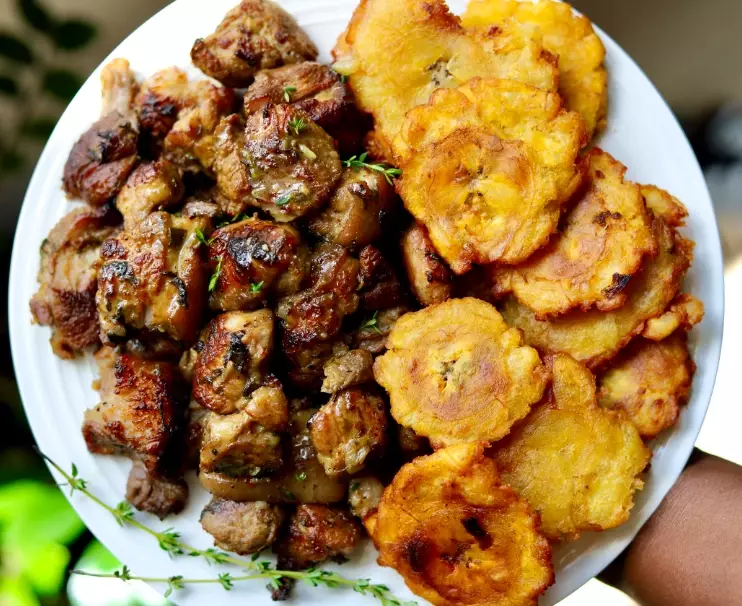
What Is Griot, Really? More Than Just “Haitian Fried Pork”
Calling griot just “fried pork” is like calling champagne “sparkling wine.” Technically true, but it misses the soul of the thing. Griot (pronounced gree-oh) is a national dish of Haiti. It's deeply woven into the culture, served at festivals, family gatherings, Sundays, and any occasion worth celebrating. According to resources from the Haitian Tourism Board, food like griot is a central part of Haitian cultural expression and hospitality.
The defining characteristic? That incredible contrast. The exterior is deeply caramelized, shatteringly crispy, and packed with flavor from a long marinade. The interior? Juicy, tender, and almost pull-apart soft. You get a hit of tangy citrus, a warm hum of Scotch bonnet heat, and the deep savoriness of well-cooked pork, all in one bite. It's usually served with pikliz (a spicy pickled cabbage slaw) and diri kole ak pwa (rice and beans), which cut through the richness perfectly.
Getting that texture is the whole game. And it all starts way before the oil hits the pan.
The Foundation: Your Griot Recipe Shopping List & Prep
You can't build a great house with bad bricks. The same goes for your griot. Let's get your ingredients right.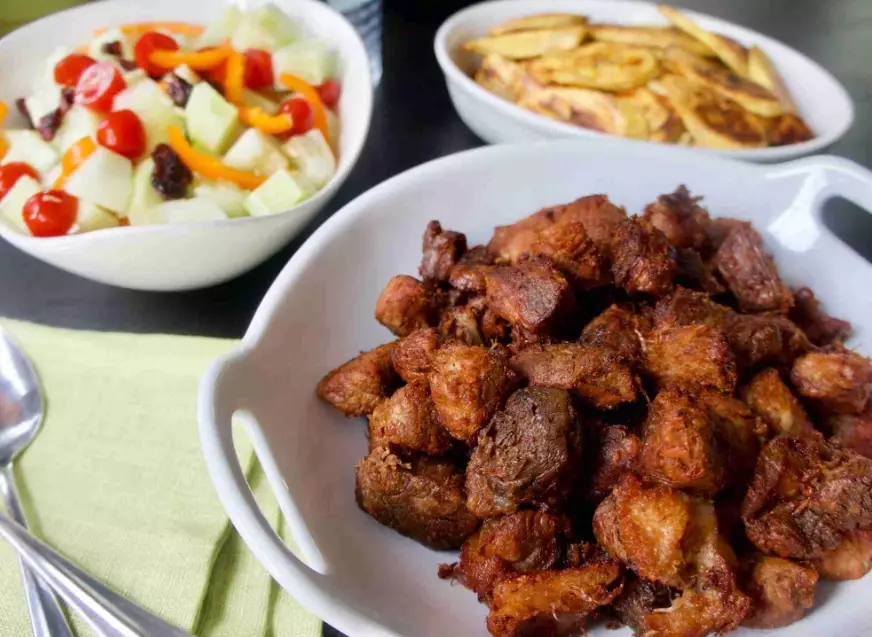
The Non-Negotiables
- The Pork: This is the biggest make-or-break. You want pork shoulder (also called pork butt). Don't even think about lean cuts like loin or tenderloin—they'll just dry out. Shoulder has the perfect marbling of fat that renders down during the long cook, basting the meat from the inside and keeping it moist. Ask your butcher for a boneless pork shoulder and cut it into 1.5 to 2-inch cubes. A bit of fat on the cubes is good!
- The Sour Agents: Fresh lime juice and sour orange juice (naranja agria) are the backbone of the marinade. They tenderize the meat aggressively and impart that essential tang. If you can't find sour oranges, use a 50/50 mix of fresh orange juice and more lime juice. Bottled juice won't cut it; the flavor is flat.
- The Aromatics: Onions, garlic, and scallions. Lots of them. They form the flavor base.
- The Heat: Scotch bonnet or habanero peppers. One pepper, seeded and minced, usually provides a nice warmth. For a true kick, leave some seeds in. Please wear gloves when handling them—I learned this the hard way.
Now, the extras that elevate it. Thyme (preferably fresh), a green bell pepper for sweetness, and epis—that's the Haitian green seasoning base of herbs and peppers. You can make your own or find it in Caribbean stores. A splash of vinegar (white or cane) in the marinade boosts the tenderizing power.
Pro Tip from My Kitchen Fail: I once used pork tenderloin because it was on sale. Big mistake. The result was dry, tough little nuggets. The fat in the shoulder isn't just for flavor; it's structural. It's your insurance policy against overcooking during the frying stage. Stick with shoulder.
The Step-by-Step Griot Recipe: A Labor of Love
Here’s where we get into it. I’m laying out the process in detail because each stage has a purpose. Don't rush.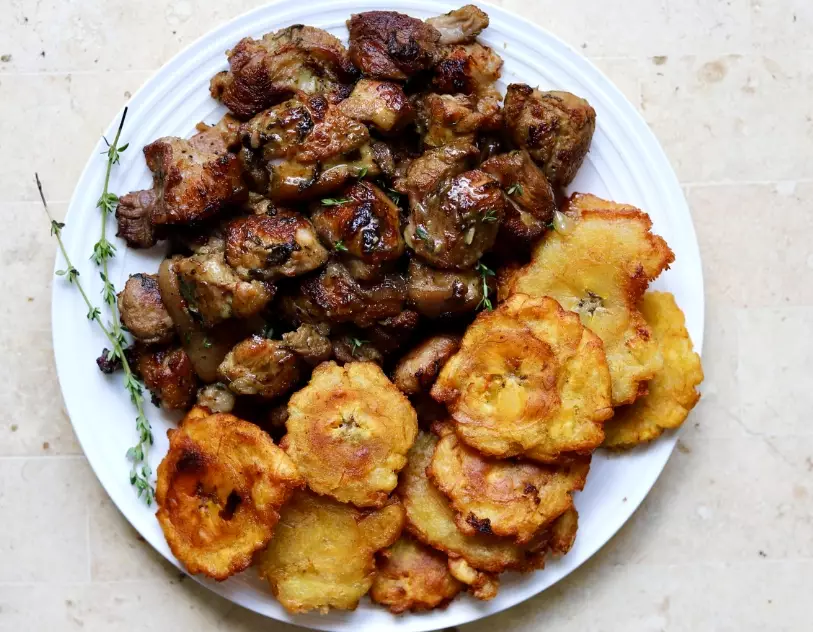
Stage 1: The Marathon Marination (The Most Important Step)
This isn't a 30-minute soak. For a proper griot recipe, you need to plan ahead. The marinade is what builds the deep, penetrating flavor and starts breaking down the tough muscle fibers in the shoulder.
- In a large, non-reactive bowl (glass, ceramic, or stainless steel—not aluminum), combine your cubed pork with the juice of 3-4 limes and 2 sour oranges (or substitute). Massage it in well. You'll see the meat start to change color slightly.
- Add your chopped onions, minced garlic, sliced scallions, diced bell pepper, minced Scotch bonnet, thyme, epis, a tablespoon of vinegar, and a hefty pinch of salt and black pepper. Mix everything thoroughly with your hands. Really get in there.
- Cover tightly and refrigerate. Here’s the timeline that works best:
- Good: 4 hours. You'll get flavor on the surface.
- Better: Overnight (8-12 hours). This is the sweet spot for most home cooks.
- Best: 24 hours. The flavor difference is noticeable. The meat becomes incredibly receptive to seasoning.
Don't skip the long marinate. It's the soul of the dish.
Stage 2: The Simmer (The Tenderizer)
This is the step that many “quick” griot recipes try to skip. Don't. Frying raw, marinated pork cubes will give you tough, chewy meat with a burnt outside. The simmer cooks the pork through gently, making it tender and allowing the marinade flavors to cook into the meat.
- Transfer the entire contents of your marinating bowl—pork and all the marinade veggies and liquid—into a large, heavy pot (like a Dutch oven).
- Add just enough water to barely cover the pork pieces.
- Bring to a boil over high heat, then immediately reduce to a low, steady simmer. Cover the pot.
- Let it simmer for about 1 to 1.5 hours. You're not trying to make pulled pork; the cubes should still hold their shape but be fork-tender. Check at the 1-hour mark. The liquid will reduce significantly, leaving you with tender pork and a concentrated, flavorful sauce.
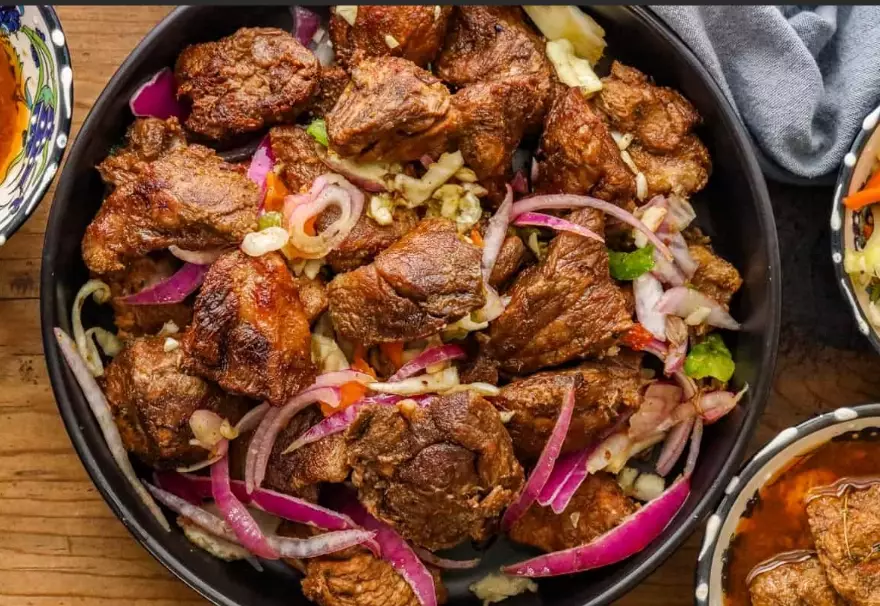
Watch Out: Don't boil it vigorously! A hard boil will make the meat tough and stringy. A gentle simmer is key. You should see small bubbles breaking the surface, not a rolling boil.
Stage 3: The Fry (The Crisp Creator)
Now for the magic trick. The pork is cooked, but it's pale and wet. This stage creates the iconic crispy, caramelized crust.
- Carefully remove the pork cubes from the pot with a slotted spoon, letting the excess liquid drain off. Spread them out on a wire rack set over a baking sheet. Let them air-dry for at least 15-20 minutes. This is crucial—wet meat will steam, not fry. Pat them gently with paper towels if needed.
- Meanwhile, strain the cooking liquid from the pot. You can save this incredibly flavorful broth for cooking rice later—it's liquid gold.
- In a large, heavy-bottomed skillet or Dutch oven, heat your frying oil (vegetable, canola, or peanut oil work well) to 350°F (175°C). You need enough oil to come about halfway up the sides of the pork cubes—this is pan-frying, not deep-frying.
- Working in batches to avoid crowding the pan (which drops the oil temp and makes things soggy), carefully add the pork cubes. Fry for 3-5 minutes per side, turning occasionally, until they are uniformly deep golden brown and crispy all over.
- Transfer the finished griot to a fresh wire rack (not paper towels, which can trap steam and soften the crust). Sprinkle immediately with a tiny bit of salt while hot.
That sound? That sizzle and crunch? That's the sound of success.
Griot Recipe Variables: Oven, Air Fryer, and Other Methods
I know not everyone wants to deal with a pot of hot oil. It's messy, and it can feel intimidating. So, can you adapt this griot recipe? Let's be honest about the trade-offs.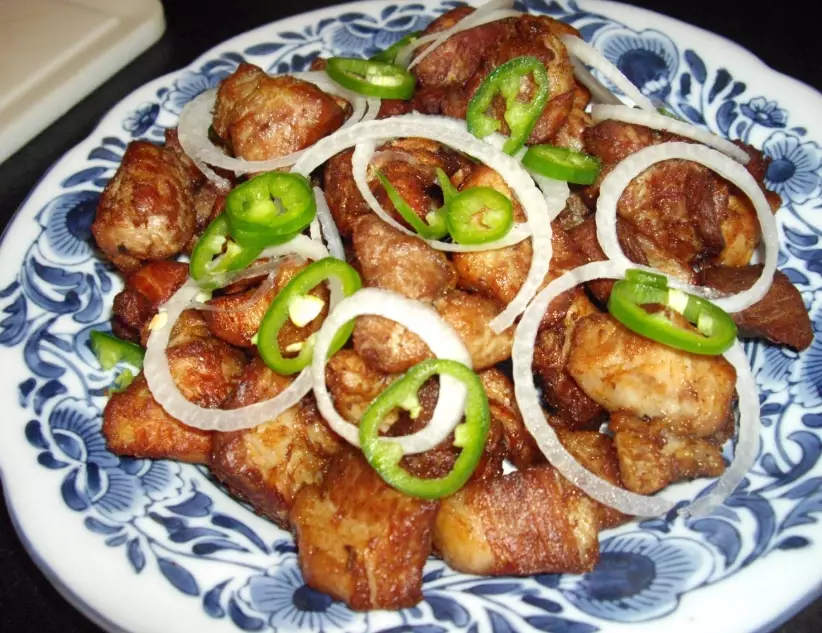
| Method | Process | Result | My Honest Take |
|---|---|---|---|
| Traditional Pan-Frying | Simmer, then fry in 1/2" of oil on stove. | Authentic, maximum crispiness, even browning. | The gold standard. The oil contact creates an unmatched crust. It's worth the effort for a special occasion. |
| Oven-Baking | Simmer, then bake at 425°F on an oiled rack. | Good crispiness on top/bottom, less uniform, slightly drier. | A solid weeknight hack. Brush the cubes generously with oil first. You'll get a good result, but it's not *quite* the same. It can dry out if you over-bake. |
| Air Frying | Simmer, then air fry at 400°F in a single layer. | Very crispy exterior, can be slightly chewy if overdone. | Surprisingly effective for the crisp factor. The hot air circulates well. Just don't overcrowd the basket. Best for smaller batches. |
| Deep Frying | Simmer, then fully submerge in hot oil. | Extremely crispy all over, faster cooking. | Uses a lot of oil, but the result is fantastic and consistent. Common in restaurant settings. |
The simmering stage remains constant no matter what. It's the final crisping method that changes. For a first-timer, I'd recommend sticking with the pan-fry. It gives you the most control to see and hear the doneness.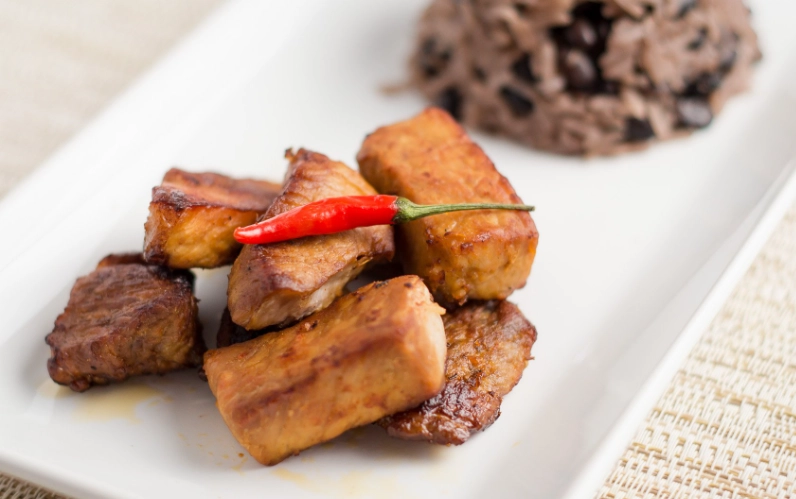
Top 3 Reasons Your Griot Might Fail (And How to Fix It)
I've made these mistakes so you don't have to. Here’s a quick troubleshooting guide based on my own kitchen disasters.
Problem 1: “My griot is tough and chewy.”
Likely Cause: You skipped or rushed the simmering stage, or you used too lean a cut of pork. The connective tissue in the shoulder didn't have time to break down.
The Fix: You can't fix it after frying. Next time, ensure a full, gentle simmer for at least an hour. Use a fork to test for tenderness before removing from the pot.
Problem 2: “My griot isn’t crispy. It’s soggy or just browned.”
Likely Cause: The meat was too wet when it hit the oil (didn't dry enough), the oil wasn't hot enough, or you crowded the pan.
The Fix: Patience. Let the boiled cubes dry on a rack. Use a thermometer to ensure oil is at 350°F. Fry in small batches. If the oil temperature drops, wait for it to come back up before adding the next batch.
Problem 3: “The flavor is bland, just tastes like fried pork.”
Likely Cause: The marinade didn't have enough time to work, or you were shy with the salt and aromatics.
The Fix: Marinate overnight, without fail. Be generous with the garlic, scallions, and salt in the marinade. Remember, some flavor boils off, so you need a strong starting point.
Serving Your Masterpiece: It’s Not Just About the Pork
Griot is a social food, meant to be part of a spread. Serving it correctly turns a great dish into an unforgettable meal. Here’s the classic lineup: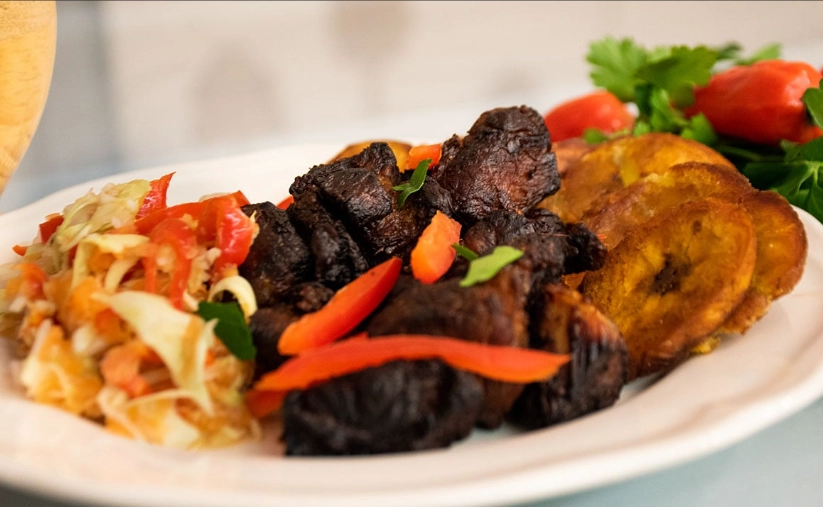
- Pikliz (Non-negotiable): The spicy, tangy, pickled cabbage and carrot slaw. It cuts the fat and refreshes your palate. You can find recipes online, or many stores sell it jarred.
- Diri Kole ak Pwa (Rice and Beans): The hearty, comforting base. Often the rice is cooked in the broth from simmering the griot, which is next-level good.
- Fried Plantains: Sweet, caramelized maduros (ripe plantains) or crispy tostones (green plantains). They add sweetness and another texture.
- Salad: A simple, crisp watercress or avocado salad.
Put it all on a big platter, family-style. Let people dig in. That's the Haitian way.
Your Griot Recipe Questions, Answered
Can I make griot ahead of time?
Absolutely. You can complete the simmering stage 1-2 days in advance. Let the pork cool in its liquid, then store it covered in the fridge. When ready to serve, let it come to room temp, dry the cubes, and fry. The marinating can also be done up to 24 hours ahead. The frying is best done right before serving for maximum crispiness.
What’s the best oil for frying griot?
You want an oil with a high smoke point and neutral flavor. Vegetable, canola, and peanut oil are all excellent choices. Avoid olive oil (low smoke point, strong flavor).
Is there a “baked griot” recipe that actually works?
As discussed in the table, baking can work. After simmering and drying, toss the cubes in a few tablespoons of oil, place them on a wire rack set over a baking sheet, and bake at 425°F (220°C) for 20-30 minutes, flipping halfway. You'll get a good crust, though different from frying. For food safety guidance on cooking pork, the U.S. Food Safety website recommends a minimum internal temperature of 145°F (63°C), followed by a rest time, which your simmering stage will far exceed.
My griot is too spicy! How can I control the heat?
The heat comes almost entirely from the Scotch bonnet in the marinade. For mild griot, use half a pepper and remove all seeds and ribs (the white inner parts). For no heat, omit it entirely—you'll still have a flavorful dish from the citrus and herbs. You can always serve spicy pikliz on the side for those who want the kick.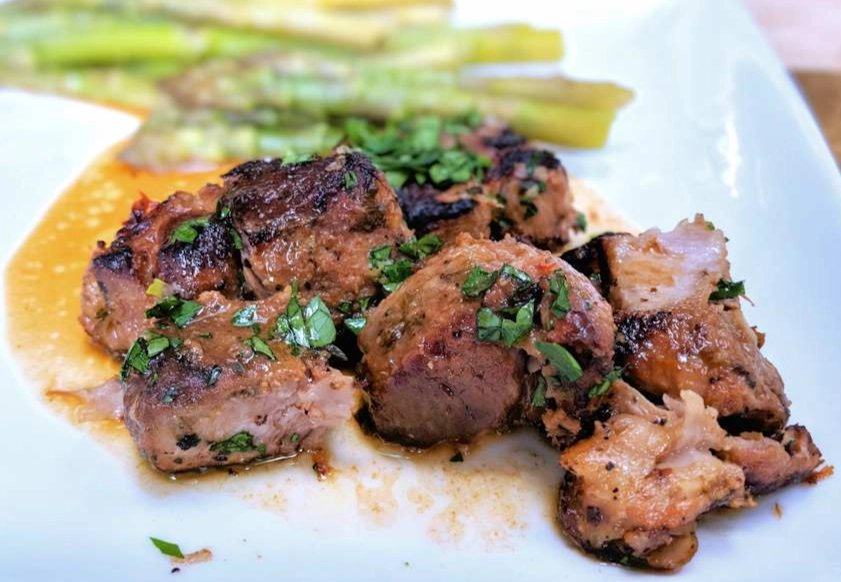
Final Thoughts: Embrace the Process
Look, a great griot recipe isn't fast food. It's a weekend project, a dish you make when you want to feed people you care about. The marinating, the simmering, the frying—each step builds layers of flavor and texture that you simply can't rush.
My biggest piece of advice? Don't get discouraged if your first batch isn't perfect. My first one was a chewy mess. My second was under-seasoned. But by the third, I had it. And now, it's my most requested dish for gatherings.
It's more than just a recipe. It's a connection to a vibrant culture and a truly spectacular way to cook pork. So grab a pork shoulder, clear your schedule, and get ready to make some of the best crispy, tangy, unforgettable pork you've ever had. You've got this.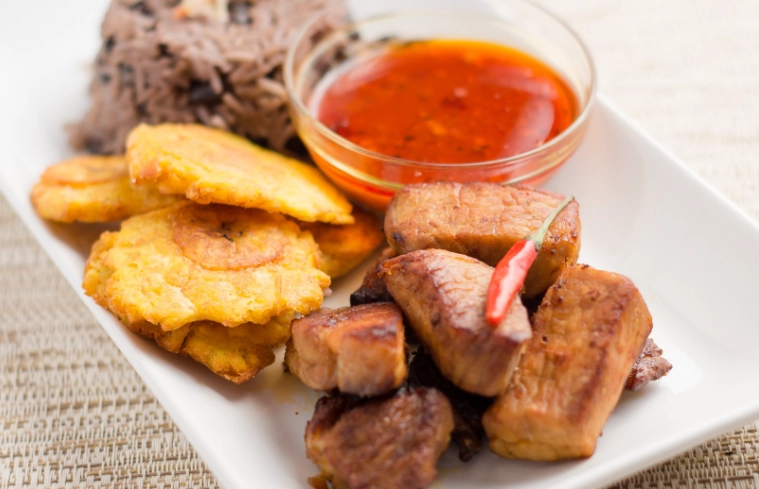
Now, who's hungry?