I bought a lamington from a famous Sydney bakery last week. It was dry, the chocolate coating tasted waxy, and it cost nearly five dollars. It was a disappointment that reminded me why I started making my own years ago. The truth is, a homemade lamington, done right, is a different creature entirely—moist, light, and bursting with real chocolate and coconut flavor. It's not just a recipe; it's a rite of passage for any home baker in Australia, and honestly, it's easier than you think once you know the tricks.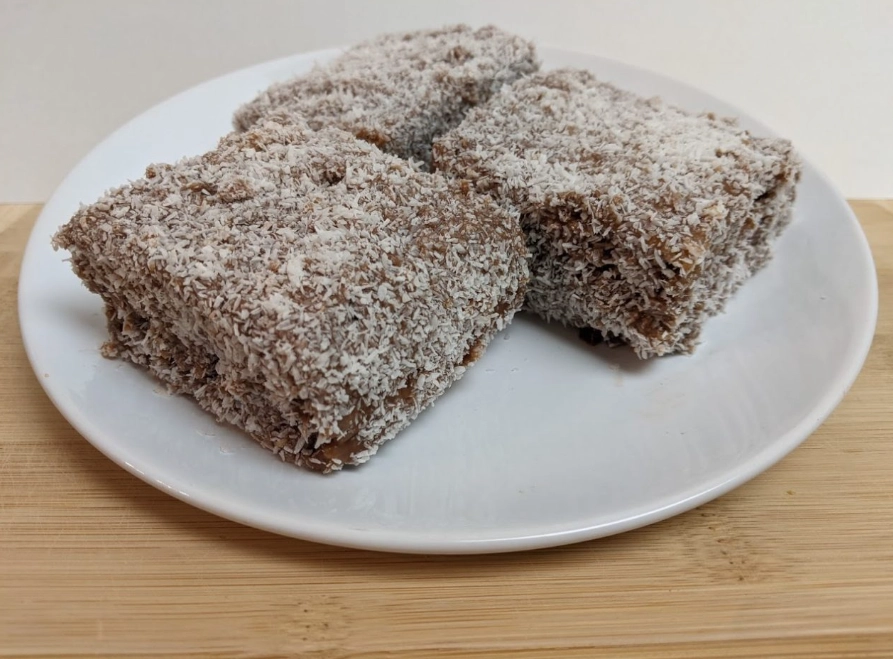
What's Inside This Guide
The Non-Negotiable Sponge Cake Base
Let's get one thing straight: the cake is everything. A dense, butter-based pound cake might seem sturdy, but it soaks up the icing like a sponge in a flood, leading to a soggy, overly sweet mess. The authentic base is a light genoise or butter sponge. It's airy enough to absorb the chocolate syrup just right, creating that perfect, moist-but-not-wet texture.
The secret weapon? Properly beaten eggs. Whether you're separating them and whipping the whites to stiff peaks (my preferred method for maximum lift) or beating whole eggs with sugar until ribbon stage, this incorporation of air is your leavening agent. It gives the cake structure without heaviness.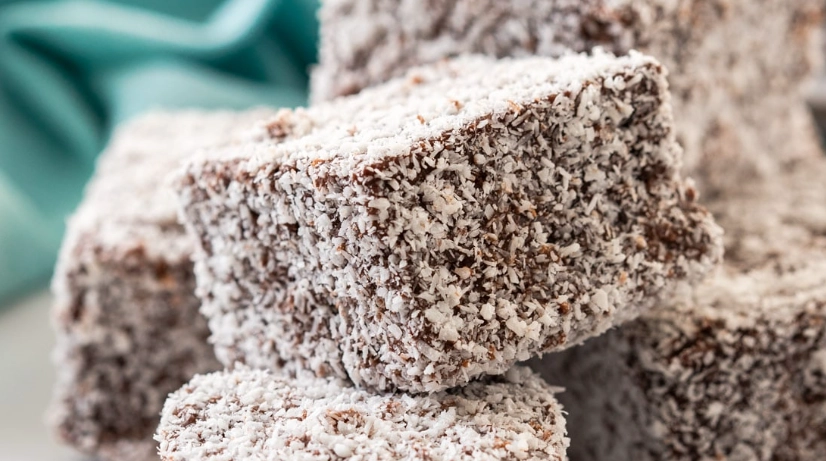
Pro Tip from a Decade of Trials: Most recipes under-bake the sponge. They say "until a skewer comes out clean," but for lamingtons, you need to go a minute or two beyond that. The cake should spring back firmly when touched. A slightly drier-than-usual sponge is perfect because it will eagerly drink up the chocolate icing later, balancing the moisture perfectly. An under-baked sponge will collapse during the messy dipping process.
Your Lamington Shopping List
Quality matters, but you don't need gold-leaf ingredients. Here’s what to look for:
| Ingredient | What to Get & Why | Common Pitfall to Avoid |
|---|---|---|
| For the Sponge | Large, room-temperature eggs. Cold eggs won't whip to the same volume. Cake flour (low protein) for a tender crumb. If you only have all-purpose, replace 2 tbsp per cup with cornstarch. | Using cold eggs straight from the fridge. Your batter volume will suffer. |
| For the Icing | Good-quality cocoa powder (Dutch-processed gives a darker, richer color). Icing sugar (powdered sugar) for smoothness. Boiling water, not milk. Milk-based icing sets too hard and can split. | Using drinking chocolate or sweetened cocoa mix. The sugar content is wrong, and you'll lose the deep chocolate flavor. |
| For the Coating | Fine desiccated coconut, NOT shredded or flaked. The fine texture adheres better and gives the classic look. Medium-fine works too. | Using sweetened coconut flakes. They're too big, too moist, and too sweet. It completely changes the texture and taste. |
The Foolproof Assembly Line
Organization is key. Lamingtons are a production line job. Make the sponge a day ahead—it's easier to cut cold, firm cake. Then set up your station: Cake squares > Chocolate Icing Bowl > Coconut Plate > Cooling Rack.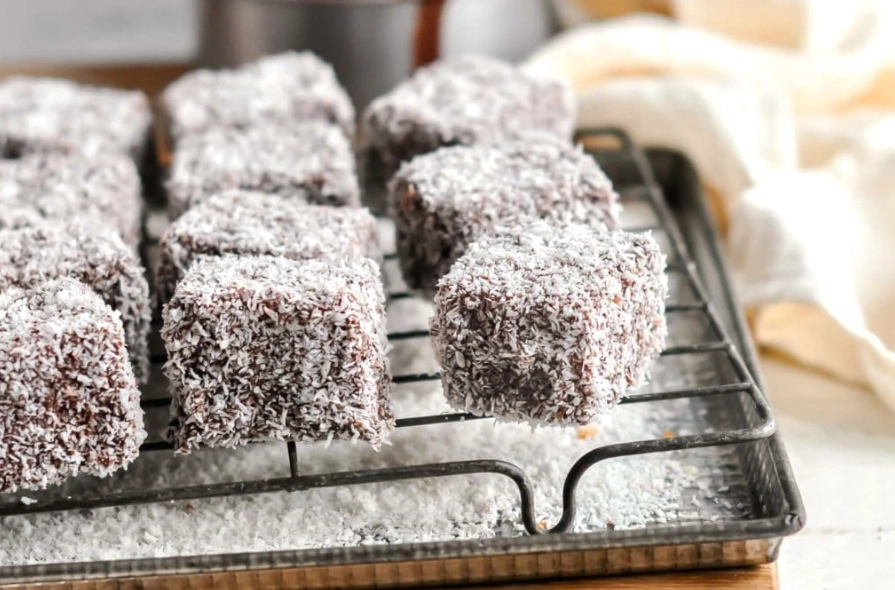
How to Make the Perfect Chocolate Icing
This is the make-or-break step. The consistency needs to be like a thin gravy or heavy cream. Too thick, and it forms a gross, clumpy shell on the cake. Too thin, and it runs off, leaving a pathetic coating.
Here's my method: Sift 500g of icing sugar and 1/3 cup of cocoa powder into a bowl. Add 30g of melted, unsalted butter and a pinch of salt. Gradually whisk in about 1/2 to 2/3 cup of boiling water until smooth. You're aiming for a mixture that coats the back of a spoon but drips off in a steady, thick stream. Test it with a cake scrap. It should coat it in a layer about 1-2mm thick. Adjust with more water or icing sugar as needed.
The Dipping and Rolling Technique
Use two forks. Seriously, your fingers will be a chocolate-coconut disaster. Spear a cake square with one fork, dunk it completely into the icing, lift it out, and let the excess drip off for a good 5-10 seconds over the bowl. Then, gently roll it off the fork onto the plate of coconut. Use the second, clean fork to toss and coat it thoroughly in coconut before lifting it onto the rack.
Let them set for at least 4 hours, preferably overnight. The icing seeps in, the coconut adheres, and magic happens.
Where Most Lamington Recipes Go Wrong
I've seen every mistake in the book, and I've made most of them myself.
- The Soggy Bottom: This happens when you use a too-dense cake or don't let the excess icing drip off. That pooled icing at the bottom soaks in and never sets.
- The Bald Patch: Rushing the coconut coating. You need to gently press and roll to get full coverage. A light sprinkle won't cut it.
- The Cracked Shell: Icing that's too thick or has set too much before dipping. Keep the icing bowl over a pot of barely simmering water to maintain a workable consistency.
- The Flavorless Sponge: Forgetting to season. A pinch of salt in both the cake and the icing is non-negotiable. It makes the chocolate taste more chocolatey.
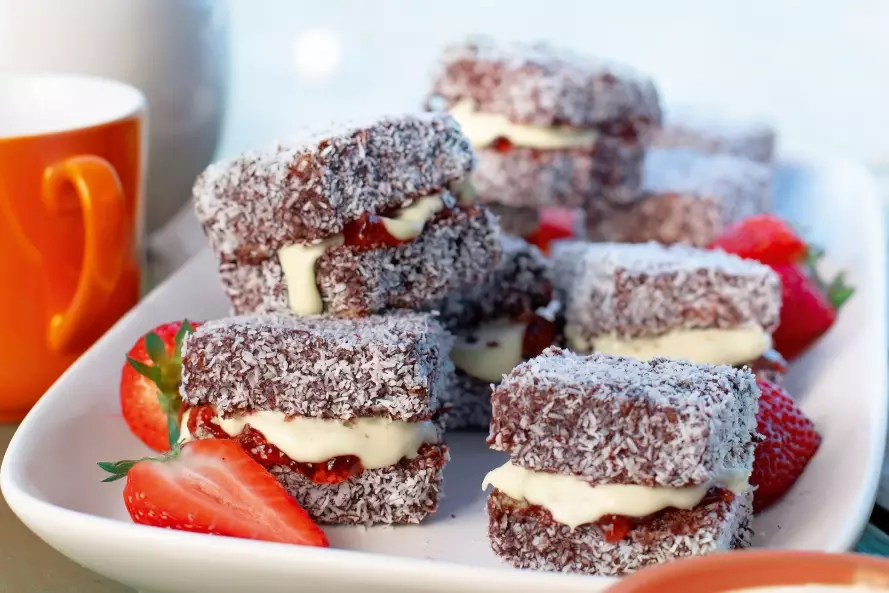
Your Lamington Questions, Answered
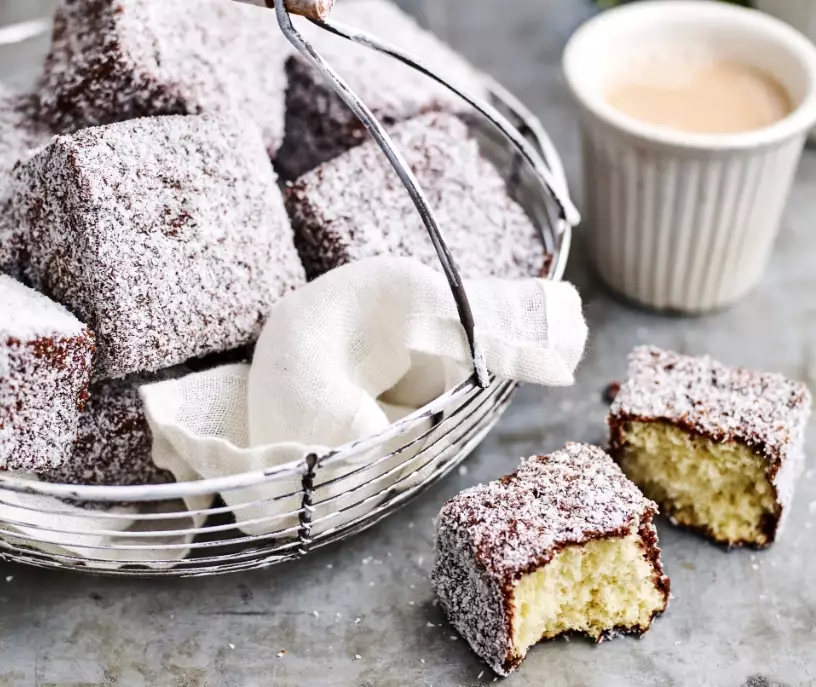 The best part about mastering the lamington recipe? That moment you bite into one you made yourself. The slight resistance of the coconut, the give of the moist sponge, the hit of real chocolate. It’s a world away from the dry, over-sweetened versions you often find. It’s not just a cake square; it’s a little piece of homemade pride. Give it a go this weekend.