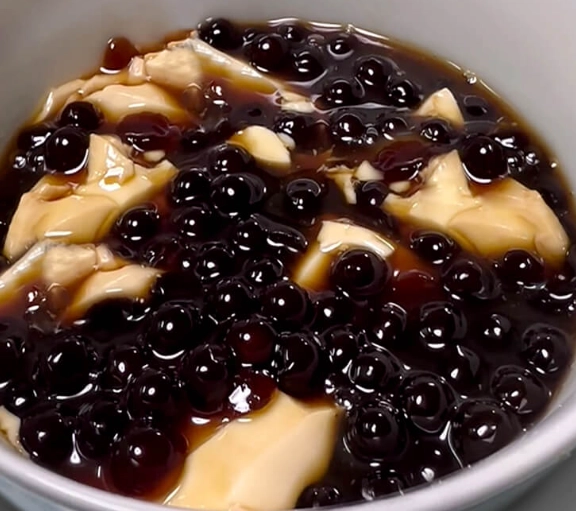
Let's be honest. The best taho comes from a street vendor at 6 a.m., steaming hot and impossibly smooth. But what if you crave that silky, sweet comfort food on a Tuesday afternoon? Or you live miles away from the Philippines? Making taho from scratch using whole soybeans is the answer. It's a project, sure, but the reward—a bowl of warm, homemade tofu pudding drenched in caramelized sugar syrup (arnibal) and sago pearls—is absolutely worth it. This guide doesn't just give you steps; it explains the why behind each one, shares the mistakes I've made (so you don't have to), and delivers that authentic texture you're chasing.
In This Guide: Your Roadmap to Perfect Homemade Taho
What Exactly is Taho?
Think of taho as the ultimate Filipino breakfast dessert. It's a trio: freshly made, extra-soft silken tofu (the taho itself), a dark brown sugar syrup called arnibal, and chewy tapioca pearls (sago). The magic is in the contrast—the bland, delicate custard-like tofu perfectly balances the intensely sweet syrup. While you can start with store-bought silken tofu, the true from-scratch method begins with dried yellow soybeans. This process—soaking, grinding, cooking, and coagulating the soy milk—gives you complete control over flavor and texture. You'll never taste that slight cardboard or metallic note some packaged tofu can have.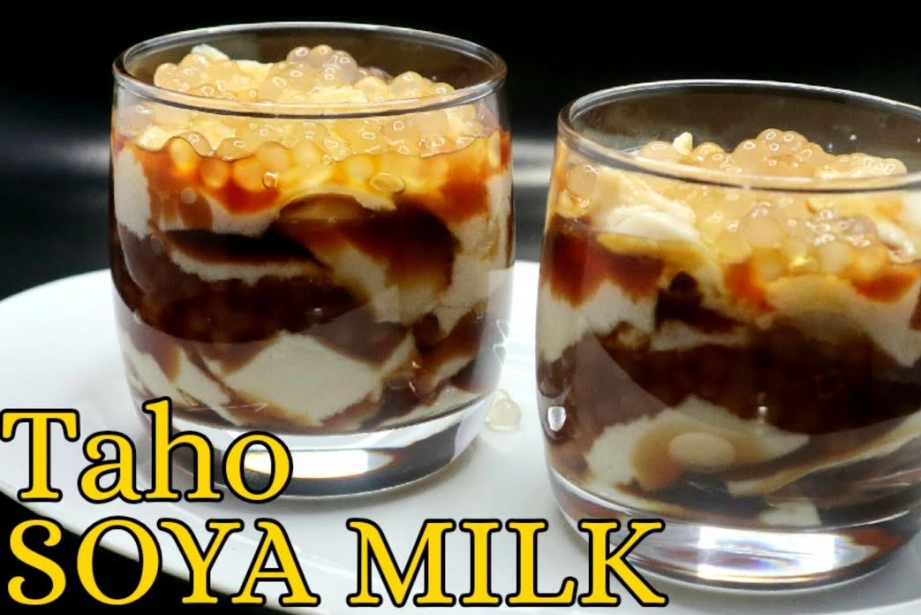
It's a staple of Filipino food culture. According to the Philippine Department of Tourism, street food like taho is an integral part of the local experience. Making it yourself connects you to that tradition in a deeply satisfying way.
Your Taho-Making Toolkit: Ingredients & Equipment
Gathering the right stuff is half the battle. Using the wrong coagulant or skipping a tool can lead to grainy tofu or, worse, no coagulation at all.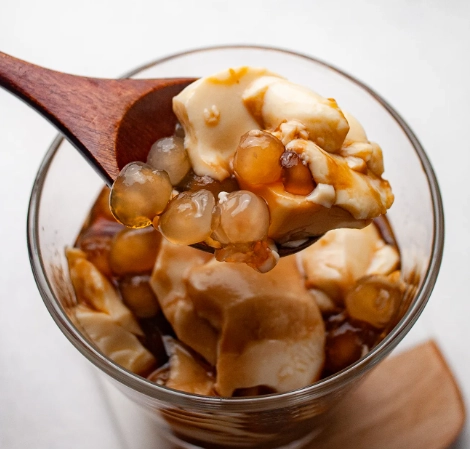
Non-Negotiable Ingredients
| Ingredient | Important Notes & Why It Matters |
|---|---|
| Dried Yellow Soybeans (1 cup) | This is your foundation. Don't use black soybeans or edamame. Look for non-GMO if possible. One cup yields about 4-5 servings. The quality of your beans directly affects the final flavor's cleanness. |
| Coagulant: Food-Grade Gypsum (Calcium Sulfate) or Nigari (Magnesium Chloride) | This is what turns soy milk into tofu. Gypsum (石膏粉) is my recommendation for beginners. It produces a consistently smooth, slightly sweet taho with a higher yield. Nigari makes a firmer, more complex-tasting tofu but is trickier to use. You can find food-grade gypsum online or in Asian grocery stores. |
| Dark Brown Sugar (Muscovado or Panocha) (1 cup) | For the arnibal syrup. The deep molasses flavor is non-negotiable for authentic taste. White sugar won't cut it. Philippine panocha (unrefined sugar cakes) is ideal, but good-quality dark brown sugar works perfectly. |
| Tapioca Pearls (Sago) (½ cup dry) | The tiny, white pearls. Not the large boba. They add essential textural contrast. Cook them separately until just translucent with a tiny white dot in the center. |
| Water | Filtered water is best, especially for the soy milk. Chlorinated tap water can sometimes interfere with coagulation. |
Essential Equipment Checklist
- A Powerful Blender: You need to pulverize the soaked beans completely. A weak blender will leave gritty bits, affecting smoothness.
- Nut Milk Bag or Several Layers of Cheesecloth: This is for straining the ground soybean pulp (okara). A fine-mesh strainer alone won't work—you need to squeeze.
- A Large, Heavy-Bottomed Pot: For cooking the raw soy milk. This prevents scorching.
- A Deep Container for Setting: A square or rectangular food-grade plastic container or a deep glass dish. Avoid metal.
- Kitchen Thermometer (Highly Recommended): The coagulation temperature is critical. Guessing often leads to failure.
The Step-by-Step Process: From Bean to Bowl
This isn't a 30-minute recipe. Plan for about 3-4 hours, mostly hands-off soaking and setting time. The active work is about an hour. I'll break it into three phases.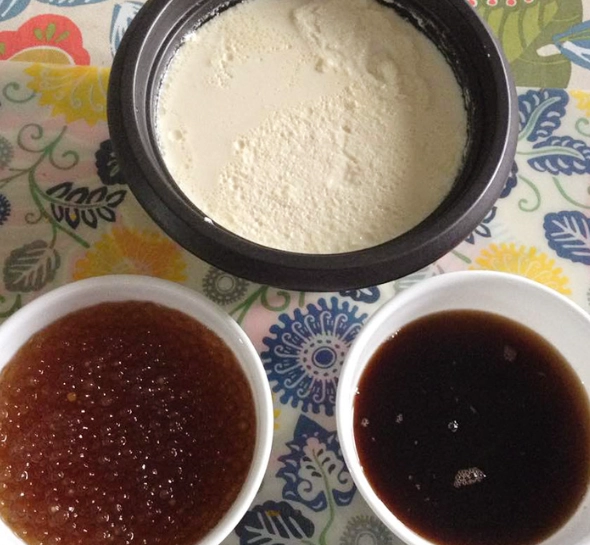
Phase 1: Transforming Soybeans into Fresh Soy Milk
1. Soak the Beans: Rinse 1 cup of dried soybeans thoroughly. Place them in a large bowl and cover with at least 3 inches of cold water. Let them soak for 8-12 hours, preferably overnight. They will double or triple in size. Drain and rinse again. This rehydration is crucial for blending smoothly and removing compounds that cause beany or bitter flavors.
2. Blend and Extract: Add the soaked beans to your blender with 4 cups of fresh, cool water. Blend on high for a full 2-3 minutes until completely smooth and milky. It should look like a thick, pale slurry.
Now, pour this slurry into your nut milk bag lined over a large pot or bowl. This is the messy, fun part. Squeeze and press with all your might to extract every drop of milk. What's left inside the bag is okara (soybean pulp)—don't throw it away! You can use it in veggie burgers or baking. You now have raw soy milk.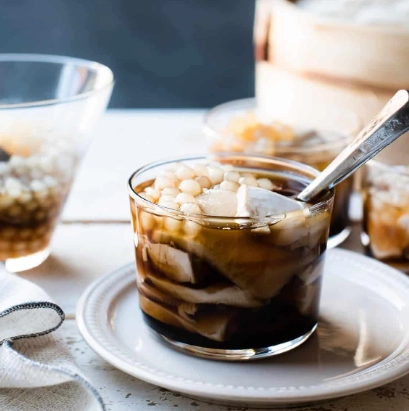
3. Cook the Soy Milk: Pour the raw milk into your heavy-bottomed pot. Bring it to a gentle boil over medium heat, stirring frequently with a spatula to prevent a foam-over. Once it starts boiling, reduce the heat to a simmer and cook for 7-10 minutes. This step deactivates enzymes that can cause off-flavors and ensures food safety. Skim off any foam. Let it cool slightly. This is where your thermometer comes in.
Phase 2: The Coagulation – Turning Milk into Tofu Pudding
This is the make-or-break moment. Precision is key.
1. Prepare the Coagulant Slurry: Dissolve 1 teaspoon of food-grade gypsum powder into ¼ cup of warm water in a small bowl. Stir until no lumps remain.
2. Combine at the Right Temperature: Pour the gypsum slurry into the bottom of your clean setting container. Now, you need to pour the hot soy milk into it. The ideal temperature range is 165°F to 175°F (74°C to 79°C). If it's too hot, the tofu will be hard and crumbly. Too cold, and it won't set properly. Pour the hot soy milk from a height of about 6-8 inches directly into the center of the container where the slurry is. Do not stir. The high pour helps mix the coagulant evenly.
3. Let it Set Undisturbed: Immediately cover the container with a lid or plate. Do not move, poke, or jiggle it. Let it sit completely still for 20-30 minutes. During this time, the magic happens—the soy proteins bond and separate from the whey, forming a delicate custard. You'll know it's done when you see a clear, yellowish liquid (the whey) around the edges.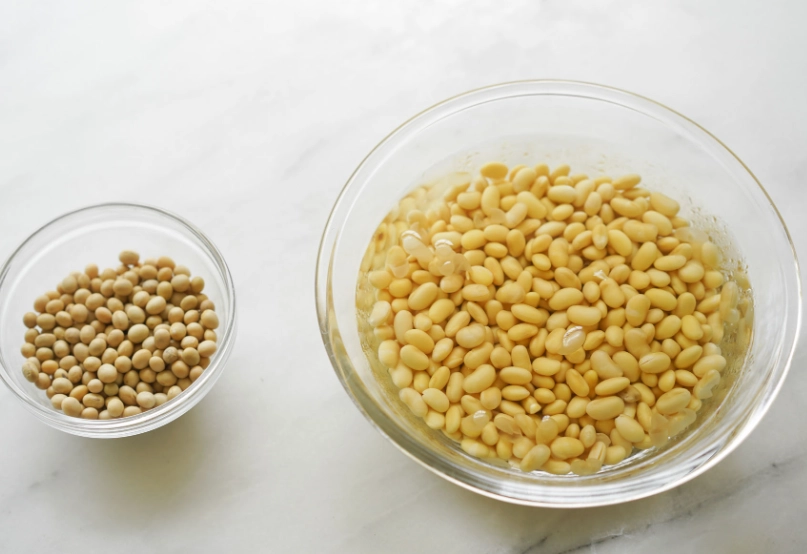
Phase 3: Assembling the Classic Taho
1. Make the Arnibal Syrup: While the tofu sets, combine 1 cup of dark brown sugar and 1 cup of water in a saucepan. Heat over medium until the sugar dissolves, then simmer for 5-7 minutes until it thickens slightly into a syrup. Let it cool. It will thicken more as it cools.
2. Cook the Sago Pearls: Boil a pot of water, add the dry pearls, and simmer until translucent (about 15-20 minutes). Drain and rinse under cold water to stop cooking.
3. Serve: Using a large, shallow spoon, gently scoop the set tofu into serving bowls. It should be wobbly and soft. Ladle warm arnibal syrup over the top and add a spoonful of sago pearls. Serve immediately.
Expert Tips & Your Taho Questions Answered
Here are the questions I get asked most, and the answers based on a lot of trial and error.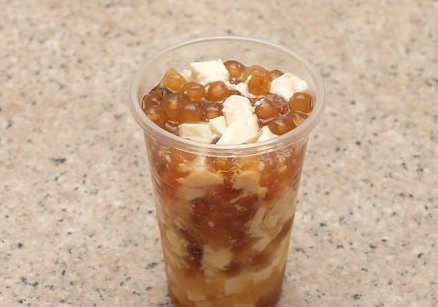
Making taho from soybeans is a rewarding kitchen project. It demystifies a beloved food and gives you a skill few have. The first time you scoop that jiggly, homemade tofu into a bowl, you'll feel a genuine connection to the street vendors of Manila—and you'll have a delicious, comforting treat made entirely by your own hands.