Let's be honest. That bag of bulgur wheat has been sitting in your pantry for a while now. You bought it because you heard it was healthy and quick, maybe for a specific recipe. But now you're staring at it, unsure where to start beyond that one dish. I get it. I used to be the same. The first time I cooked bulgur, I treated it like rice, ended up with a soggy mess, and nearly gave up. But once you understand its quirks, bulgur becomes one of the most reliable, versatile ingredients in your kitchen. It's the whole grain that cooks in under 15 minutes, has a nutty flavor that soaks up dressings beautifully, and is packed with fiber and protein. This isn't just another list of recipes. It's a deep dive into making bulgur work for you, whether it's Tuesday's dinner or a meal-prep superstar.
What's Inside This Guide
What Exactly Is Bulgur Wheat? (It's Not Couscous)
Bulgur is whole wheat kernels that have been parboiled, dried, and cracked into pieces. That parboiling step is the magic. It pre-cooks the grain, which is why it cooks so fast later. It's a staple in Middle Eastern and Mediterranean cooking, most famously in Tabbouleh. People often confuse it with couscous, but couscous is a tiny pasta made from semolina flour. Bulgur is a whole grain. The texture is heartier, with a pleasant chew.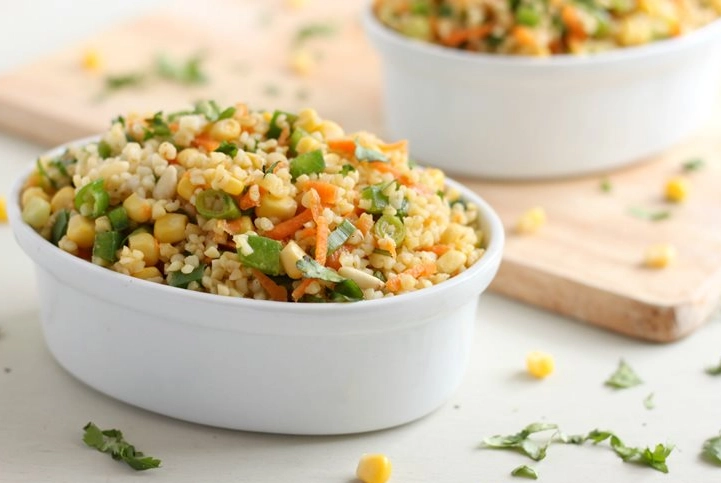
Nutritional Punch: According to the USDA FoodData Central, a one-cup cooked serving of bulgur provides about 6 grams of fiber and 6 grams of protein. It's a complex carb that digests slowly, keeping you full. Studies, like those highlighted by the Harvard T.H. Chan School of Public Health, consistently link whole grain consumption to better heart health.
You'll find a few types, mainly defined by the size of the crack:
| Type (Size) | Best Uses | Cooking Time (Simmer) | Texture Note |
|---|---|---|---|
| Fine (#1) | Tabbouleh, baking, breakfast porridge. | 10-12 minutes | Almost like a coarse, fluffy sand. Soaks up flavors intensely. |
| Medium (#2) | Pilafs, salads, stuffing. The most versatile. | 12-15 minutes | The sweet spot. Distinct pieces with a tender bite. |
| Coarse (#3/#4) | Heartier pilafs, soups, stews (like kibbeh). | 15-20 minutes | Chewier, more pronounced grain texture. Holds shape well. |
For 90% of recipes, medium-grind bulgur is your best bet. It's what I always have on hand.
How to Cook Bulgur Perfectly Every Time
Here's the non-consensus part everyone misses: You don't always need to boil it. The "absorption method" (like cooking rice) is standard, but for salads, the "soak method" is a game-changer for texture.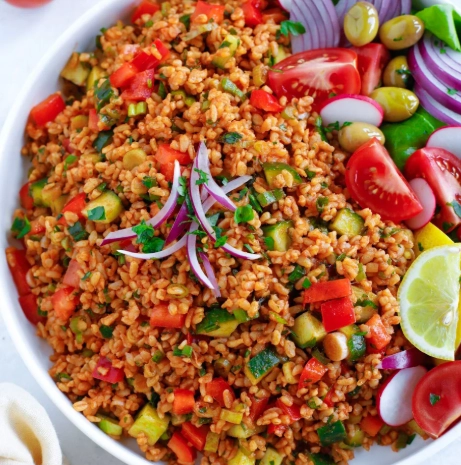
The Absorption Method (For Pilafs & Warm Sides)
This is your go-to for a hot, fluffy side dish.
- Toast (Optional but Recommended): Heat a drizzle of olive oil in a saucepan. Add 1 cup of medium bulgur and toast for 2-3 minutes until fragrant. This deepens the nutty flavor.
- Add Liquid: Pour in 2 cups of liquid (water, broth, or a mix). Add a pinch of salt.
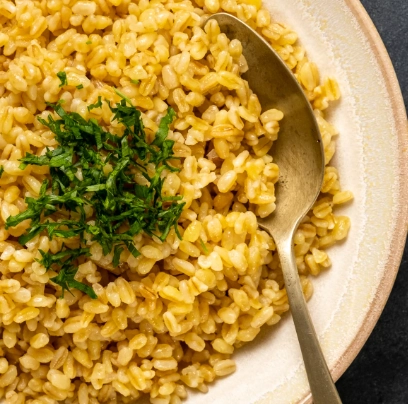
- Simmer & Rest: Bring to a boil, then reduce heat to low, cover, and simmer for 12-15 minutes. Turn off the heat and let it sit, covered, for 10 minutes. Fluff with a fork.
The liquid ratio is usually 1:2 (grain to liquid), but check your package. Fine bulgur might need slightly less.
The Soak Method (For Salads Like Tabbouleh)
This is my preferred method for any cold salad. It preserves a distinct, separate grain texture that doesn't get mushy.
- Combine: Put 1 cup of fine or medium bulgur in a bowl. Add 1.5 cups of very hot water or broth.
- Soak: Cover the bowl tightly with a plate or plastic wrap. Let it sit for 25-30 minutes. No stove needed.
- Drain & Fluff: The bulgur will have absorbed all the liquid. If there's any excess, drain it in a fine-mesh sieve. Fluff with a fork and let it cool completely before dressing.
The soak method is foolproof. You can't burn it, and the texture is consistently perfect for salads.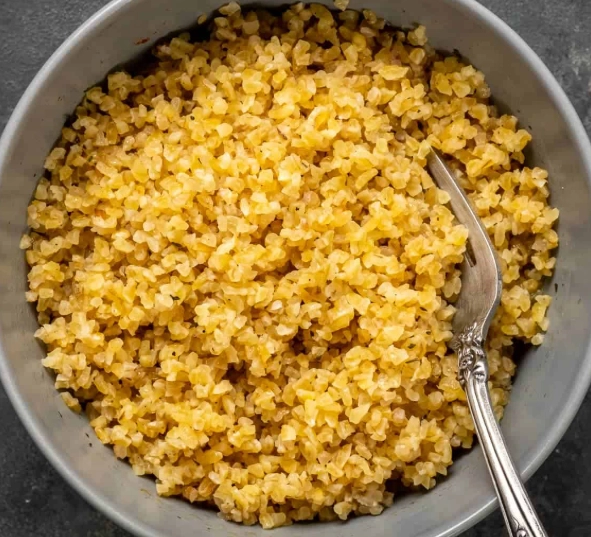
Two Bulgur Wheat Recipes You'll Actually Make
Let's move beyond theory. Here are two foundational recipes. Master these, and you can riff endlessly.
1. Classic Tabbouleh (The Right Way)
Most tabbouleh recipes get the ratio wrong. It's supposed to be a herb salad with bulgur, not a bulgur salad with herbs. This is the version I learned from a Lebanese friend's grandmother.
Ingredients:
- 1/2 cup fine bulgur wheat
- 3 large bunches of flat-leaf parsley (about 4 cups, finely chopped)
- 1/2 cup fresh mint, finely chopped
- 2-3 ripe tomatoes, seeds removed, finely diced
- 4 green onions, thinly sliced
- 1/4 cup fresh lemon juice (about 2 lemons)
- 1/3 cup extra-virgin olive oil
- 1 tsp salt, plus more to taste
Method: Prepare the bulgur using the soak method with hot water. Let it cool completely. In a large bowl, combine the chopped parsley, mint, tomatoes, and green onions. In a small jar, shake the lemon juice, olive oil, and salt. Add the cooled, fluffed bulgur to the herbs. Pour the dressing over and toss thoroughly. Let it sit for at least 30 minutes before serving to let the flavors marry. Taste and adjust salt/lemon.
The key: Chop the parsley by hand. A food processor bruises it and makes it wet. Take the time—it makes all the difference.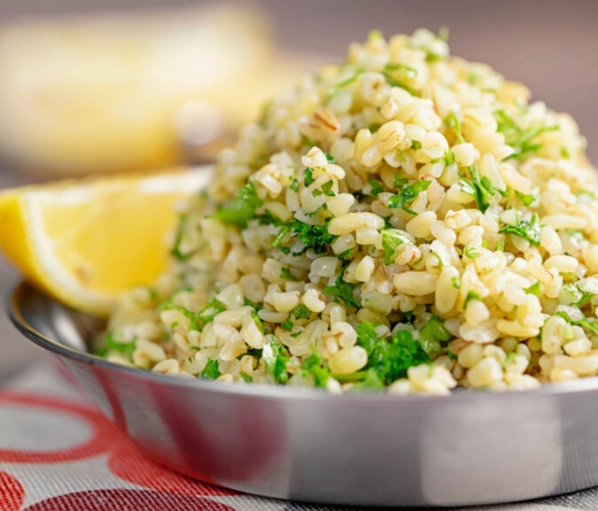
2. Lazy Mediterranean Bulgur Bowl (Weeknight Hero)
This is my 20-minute, clean-out-the-fridge dinner. It's endlessly customizable and perfect for meal prep.
Base: Cook 1 cup medium bulgur using the absorption method with vegetable broth.
While it cooks, prepare your mix-ins (choose 3-4):
- Protein: A can of chickpeas (rinsed), leftover roasted chicken, or crumbled feta.
- Veggies: Diced cucumber, cherry tomatoes, roasted red peppers from a jar, a handful of spinach.
- Crunch: Toasted pine nuts or slivered almonds.
- Herbs: A big handful of chopped dill or parsley.
The Sauce (Non-Negotiable): Whisk together 1/4 cup olive oil, 2 tbsp lemon juice, 1 minced garlic clove, 1/2 tsp dried oregano, salt, and pepper.
Assembly: Fluff the cooked bulgur into bowls. Top with your chosen mix-ins. Drizzle generously with the lemon-oregano sauce. Toss right in the bowl. Dinner is served. It's warm, satisfying, and feels fresher than takeout.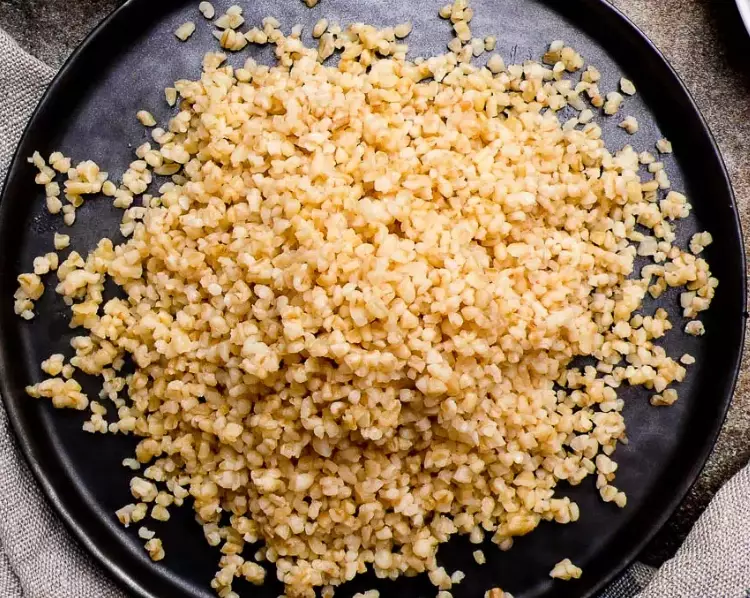
Expert Tips & Common Pitfalls to Avoid
After years of cooking with it, here are the subtle things that elevate your bulgur game.
- Don't Skip the Resting Time. After cooking or soaking, letting it sit covered for 5-10 minutes allows the moisture to distribute evenly. Fluffing it immediately can make it gummy.
- Underseason the Cooking Liquid. Bulgur is a flavor sponge. If you're using it in a salad, season the soaking water lightly. You can always add more salt and acid (lemon/vinegar) with the dressing. Overseasoned bulgur ruins the final balance.
- Cool Completely for Salads. Adding dressing to warm bulgur causes it to absorb too much too quickly and become soggy. Spread it on a baking sheet to cool fast if you're in a hurry.
- Storage & Meal Prep: Cooked bulgur keeps in the fridge for up to 5 days. It freezes beautifully for up to 3 months. Portion it into freezer bags for instant grain bowls.
- The One Tool You Need: A fine-mesh sieve. It's essential for rinsing and, if needed, draining soaked bulgur.
Your Bulgur Questions, Answered
So, go grab that bag from the pantry. Start with the soak method and that simple Mediterranean bowl. Once you get the texture right—fluffy, separate, chewy in a good way—you'll see why this ancient grain has stuck around. It solves the weeknight dinner problem without asking for much in return. That's a win in my book.