Let's be honest. Most pear cobbler recipes are disappointing. You get a sad, soggy bottom, fruit that tastes like sweetened water, and a topping that's either leaden or vanishes into thin air. It doesn't have to be that way. A great pear cobbler is a thing of beauty—juicy, spiced fruit bubbling up through a golden, craggy, buttery biscuit topping. It's the cozy dessert you crave when the air turns crisp. And it's easier than pie. Literally.
This guide isn't just another recipe. It's the result of years of testing, tweaking, and figuring out why some cobblers sing and others flop. We're going deep on the details most recipes gloss over.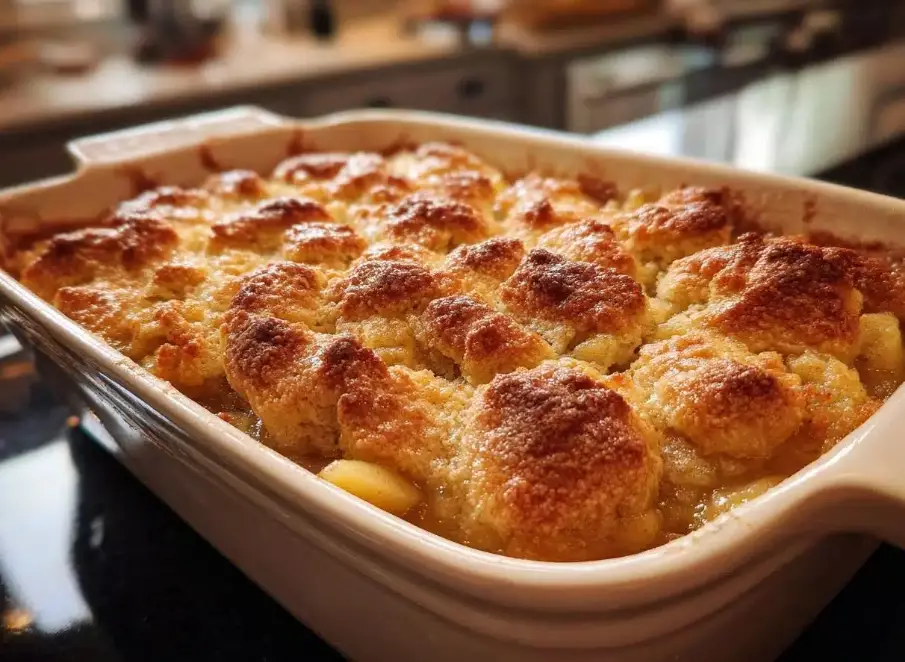
What's Inside This Guide
Why Pears Are the Secret Cobbler Hero (And Which Ones to Use)
Apples get all the fall dessert glory, but pears are the underrated star. They have a more delicate, floral sweetness and a softer texture that breaks down into the most luxurious, jammy filling. Unlike apples, which can stay firm, pears almost melt into the sauce.
But not all pears are created equal for baking. The choice here makes or breaks your cobbler.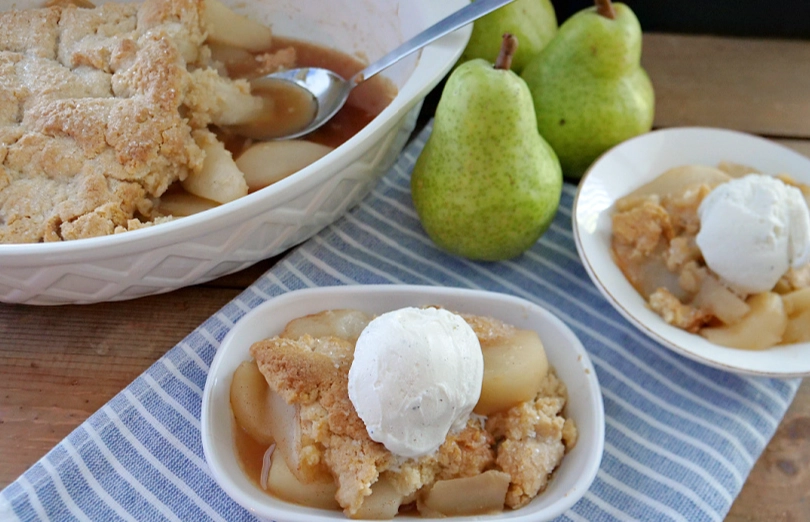
The Best Pears for Cobbler: A Quick Comparison
| Pear Variety | Texture When Baked | Flavor Profile | Best For... |
|---|---|---|---|
| Bosc | Holds shape well, firm-tender | Earthy, honey-like, robust | Cobblers with distinct pear pieces |
| Anjou (Green or Red) | Softens beautifully, becomes silky | Sweet, mild, and juicy | The classic, jammy cobbler filling (my top pick) |
| Bartlett | Breaks down almost completely | Very sweet, perfumed | An ultra-saucy, almost spread-like filling |
| Comice | Extremely soft, buttery | Rich, exceptionally sweet | A decadent, special-occasion cobbler |
My go-to is the Anjou pear. It's widely available, reliably sweet, and strikes the perfect balance between holding its form and melting into lusciousness. Bosc is a close second if you prefer more structure. A mix can be fantastic too.
Here's the non-negotiable tip: Your pears must be ripe. Not rock-hard, not mushy-brown, but yielding slightly to gentle pressure near the stem. A hard pear is a tasteless pear, no matter how much sugar you add. If they're underripe, leave them in a paper bag on the counter for a day or two.
The Ingredient Breakdown: What Matters & What Doesn't
Simplicity is key here. A great cobbler relies on the quality of a few things.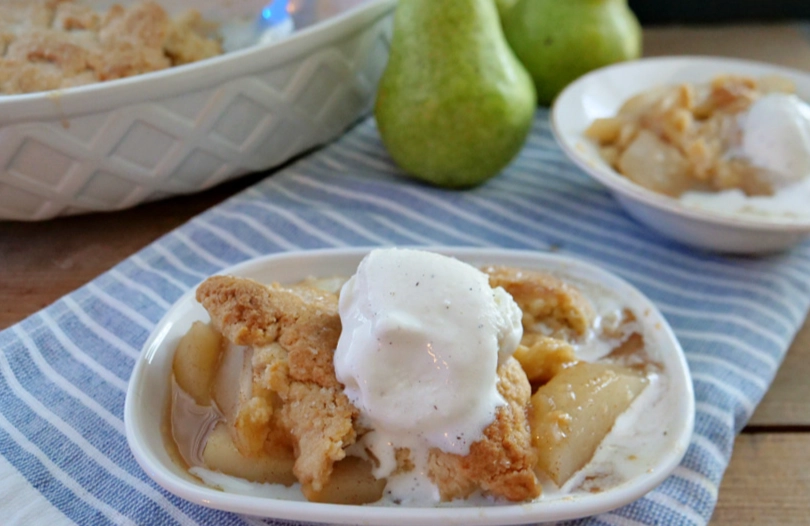
The Pears: As discussed, ripe Anjou or Bosc. About 6-7 medium pears, peeled, cored, and sliced 1/2-inch thick.
The Sweetener: Granulated sugar in the filling, plus a bit of brown sugar in the topping for depth. Don't skip the lemon juice—its acidity is not optional. It brightens the pears' flavor and prevents the filling from being one-dimensionally sweet.
The Thickener: Cornstarch. Not flour, not tapioca. Cornstarch creates a clearer, glossier sauce that sets up nicely without a pasty taste. The amount is crucial; too little and you have soup, too much and you get glue.
The Topping Flour: All-purpose is fine. The real secret is in the fat and the mixing method.
The Fat: Unsalted butter, cold and cubed. This is non-negotiable for flaky pockets. Some Southern recipes use melted butter poured over the batter for a different, crispier texture, but for a biscuit-style topping, cold butter is king.
The Spices: Cinnamon and a pinch of nutmeg or cardamom. Ginger is a fantastic addition too. Don't overdo it; you want to complement the pears, not overwhelm them.
The Foolproof Step-by-Step Process
Preheat your oven to 375°F (190°C). Grab a 9x13 inch baking dish or a similar 3-quart ceramic dish. No need to grease it heavily; the butter in the filling will handle that.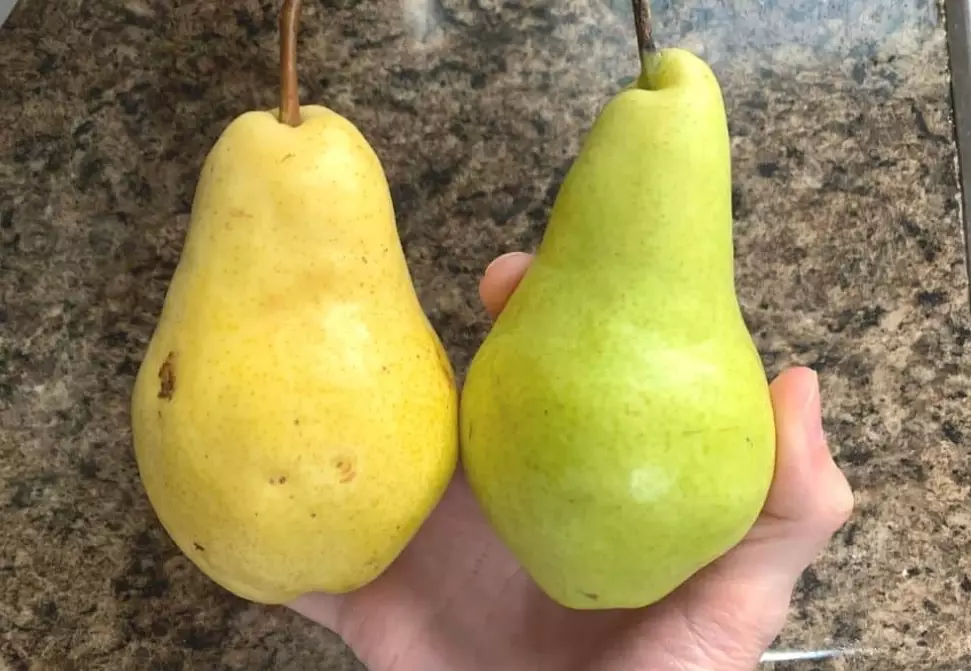
Step 1: Build the Filling (The Flavor Foundation)
In a large bowl, toss your sliced pears with 3/4 cup granulated sugar, 3 tablespoons cornstarch, the juice of one whole lemon (about 2 tbsp), 1 teaspoon cinnamon, 1/4 teaspoon nutmeg, and a pinch of salt. Don't just stir—toss gently with your hands to ensure every piece is coated evenly. That cornstarch needs to dissolve into the lemon juice and pear juices.
Let this mixture sit while you make the topping. This 10-minute rest is a game-changer. It allows the sugar to pull moisture from the pears, creating a syrup for the cornstarch to thicken later. You'll see liquid pooling at the bottom of the bowl. That's exactly what you want.
Step 2: Make the Cobbler Topping (The Art of Not Over-Mixing)
In another bowl, whisk together 2 cups all-purpose flour, 1/2 cup granulated sugar, 2 tablespoons brown sugar, 2 teaspoons baking powder, and 1/2 teaspoon salt.
Add 1/2 cup (1 stick) of COLD unsalted butter, cut into small cubes. Now, use a pastry cutter, two forks, or your fingertips to work the butter into the flour. Stop when the mixture looks like coarse crumbs with some pea-sized butter pieces remaining. Those visible butter bits are what will steam in the oven and create flaky layers.
Pour in 3/4 cup of heavy cream or buttermilk. Buttermilk adds a lovely tang, but cream makes it incredibly rich. Use a fork to stir just until a shaggy dough forms. The moment there's no dry flour visible, STOP. Over-mixing is the #1 cause of tough, dense cobbler topping. It should look rough and uneven.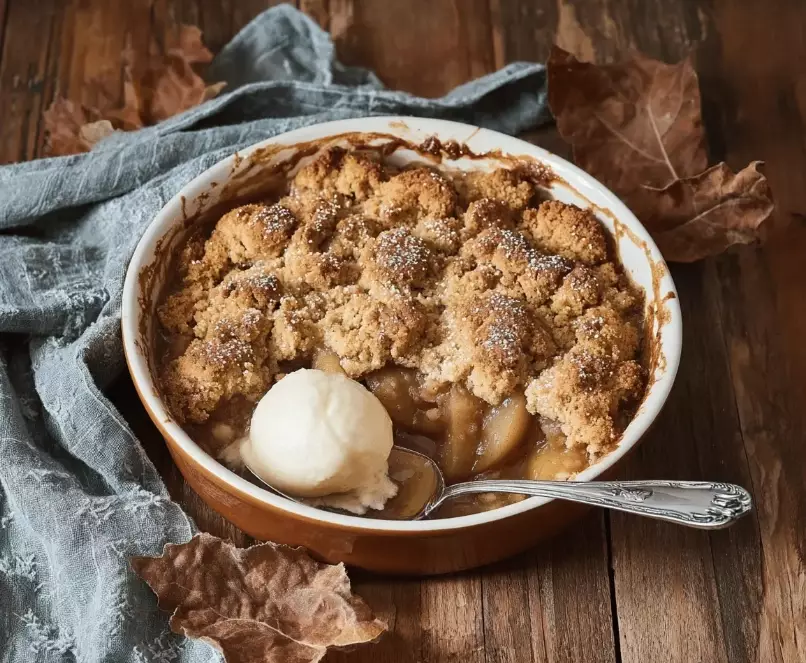
Step 3: Assemble & Bake
Pour the pear mixture (and all those accumulated juices) into your baking dish. Dot the top with 2 tablespoons of butter cut into little pieces. This extra butter melts into the filling, making it even more unctuous.
Now, take your shaggy dough and drop it in 8-10 rough mounds over the pears. Don't spread it out. You want craggy hills and valleys for maximum texture and browning.
Bake for 45-55 minutes. You're looking for the filling to be bubbling vigorously around the edges and through the cracks in the topping, and the biscuit topping to be deeply golden brown. A toothpick inserted into the topping should come out clean. If the top is browning too fast, tent it loosely with foil.
This is critical: Let it rest for at least 30 minutes after pulling it from the oven. I know it's hard. The smell is incredible. But that resting time allows the cornstarch-thickened juices to set from a lava-like state into a perfect, sliceable sauce. Serving it too soon is a mess.
Expert Tricks Most Home Bakers Miss
These are the subtle moves that separate a good cobbler from a great one.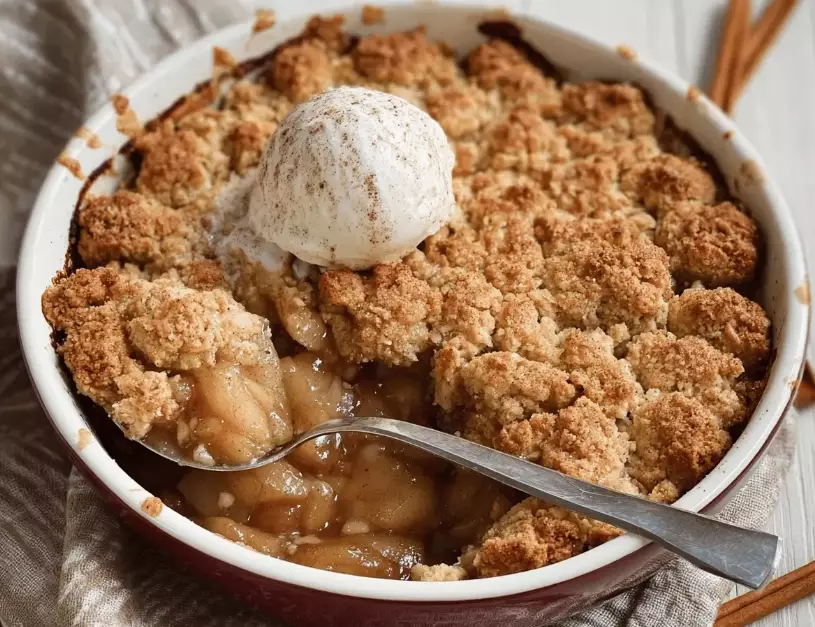
1. The Cornstarch Slurry Check: After you toss your pears with the dry ingredients and lemon juice, look at the bottom of the bowl. If you see dry, white cornstarch powder sitting there, add one more tablespoon of lemon juice or water and toss again. That cornstarch needs liquid to activate.
2. Butter Temperature is Everything: Your butter for the topping must be cold. I stick mine in the freezer for 15 minutes before cubing. Warm butter gets absorbed by the flour and makes the topping cakey, not flaky.
3. The "Bubble Test" for Doneness: Don't just go by the timer or the color of the top. The filling must be bubbling in the center of the dish, not just at the edges. That central bubbling tells you the heat has penetrated fully and the cornstarch has activated throughout.
4. Add a Texture Contrast: Try adding 1/2 cup of chopped toasted pecans or walnuts to the topping dough for the last few stirs. Or sprinkle them on top before baking. The nutty crunch against the soft fruit and tender biscuit is sublime.
Your Pear Cobbler Questions, Answered
My pear cobbler filling is always too runny. What am I doing wrong?
This usually boils down to two issues. First, not enough thickener for the volume of juicy fruit. Measure your cornstarch precisely—don't eyeball it. Second, and this is more common, you're not baking it long enough. The bubbling must be vigorous and in the center. If you pull it out when it's just starting to bubble at the edges, the cornstarch in the middle hasn't reached its full thickening temperature. Give it those extra 5-10 minutes until it's bubbling like a volcano.
Can I make pear cobbler ahead of time and reheat it?
You can, but with a caveat. The topping will lose some of its crispness. For best results, assemble the filling in the dish and make the topping dough separately. Keep both covered in the fridge for up to 24 hours. When ready to bake, drop the cold dough on the cold filling and bake, adding maybe 5 extra minutes to the time. For reheating leftovers, a toaster oven or regular oven at 350°F works far better than a microwave, which will turn the topping soggy.
I only have hard, unripe pears. Can I still make cobbler?
You can, but you need to cheat a bit. Sauté the hard pear slices in a skillet with a tablespoon of butter and half the sugar from the recipe for 5-7 minutes, just until they start to soften on the edges. This jump-starts the cooking process and helps develop flavor. Let them cool slightly before tossing with the remaining filling ingredients. It's not quite as good as using ripe pears, but it's a solid salvage operation.
What's the difference between a cobbler, a crisp, and a crumble?
This causes endless confusion. A cobbler has a biscuit-dough topping dropped in mounds (it "cobbles" the top). A crisp has a topping made of oats, flour, butter, and sugar that bakes up crispy. A crumble is similar to a crisp but often without oats, resulting in a more sandy, crumbly texture. This recipe is a classic biscuit-style cobbler.
My topping is dense and doughy instead of light and flaky. Help?
You over-mixed the dough. The moment the liquid is incorporated and no dry streaks remain, your job is done. Shaggy and lumpy is the goal. Also, check your baking powder. If it's been in your cupboard for over a year, it's likely lost its potency and won't provide the necessary lift. Fresh baking powder makes a world of difference.
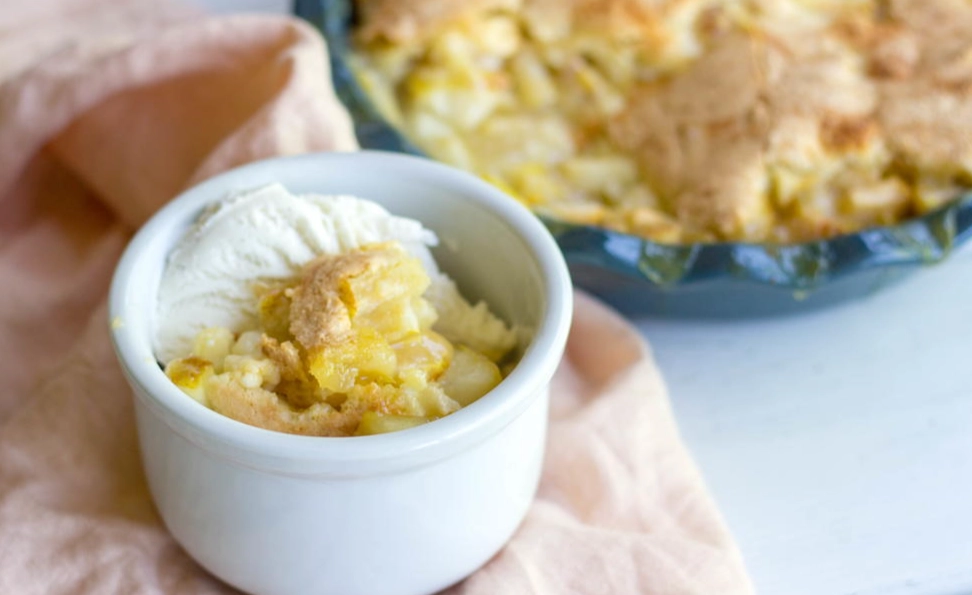 So there you have it. Pear cobbler isn't just a dump-and-bake affair. It's a simple dessert that rewards a little attention to detail—choosing the right fruit, handling the topping with care, and baking it until it's truly done. Follow these steps, and you'll never settle for a bland, soggy cobbler again. You'll have a bubbling, golden, fragrant masterpiece that makes your kitchen smell like autumn and tastes even better.
Grab those ripe pears and get baking.