Let's cut to the chase. Taho, that warm, sweet Filipino street food made of soft tofu, arnibal (sugar syrup), and sago pearls, is delicious. But is it healthy? After years of enjoying it from vendors in Manila and even making it at home, I've dug into the facts. The short answer: it can be, but it depends on how you approach it. Taho packs protein and calcium, but the sugar content can sneak up on you. In this guide, we'll break down everything from nutrition to practical tips, so you can decide if taho fits your snack routine.
Quick Navigation: What's Inside This Guide
What is Taho? A Filipino Staple Explained
Taho isn't just a snack; it's a cultural icon in the Philippines. You'll hear vendors shouting "tahoooo!" in the mornings, carrying bamboo poles with two containers—one for the tofu, another for the syrup and pearls. The base is silken tofu, which is softer than the firm tofu you might use in stir-fries. It's topped with arnibal, a syrup made from brown sugar and water, and sago, which are chewy tapioca pearls. For many Filipinos, it's a breakfast or midday treat. I remember my first time trying it in Quezon City: the warmth, the sweetness, the texture—it felt comforting. But as I got more health-conscious, I started questioning what I was eating. That's where the analysis begins.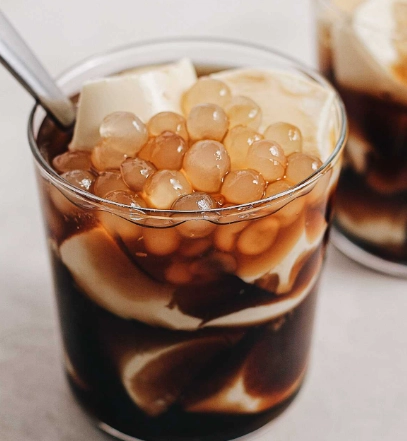
Nutritional Breakdown of Taho: The Good and The Bad
To understand if taho is healthy, we need to look at the numbers. I've based this on a typical serving size of about 1 cup (250 grams), which is what you'd get from a street vendor. Data from sources like the USDA FoodData Central and local Filipino nutrition studies help paint a clear picture.
Calories and Macronutrients
A standard serving of taho has around 200-250 calories. That's not too high for a snack, but the breakdown matters. Here's a table to visualize it:
| Nutrient | Amount per Serving (approx.) | Daily Value % (based on 2000 cal diet) |
|---|---|---|
| Calories | 220 kcal | 11% |
| Protein | 8-10 grams | 16-20% |
| Carbohydrates | 30-35 grams | 10-12% |
| Sugar | 20-25 grams | High (mostly from syrup) |
| Fat | 4-6 grams | 6-9% |
| Fiber | 1-2 grams | 4-8% |
The protein comes from the tofu, which is a plus. But the sugar—that's the kicker. Twenty-five grams is about 6 teaspoons of sugar, nearly the American Heart Association's daily limit for women. Most of it is added sugar from the arnibal, not natural sugars.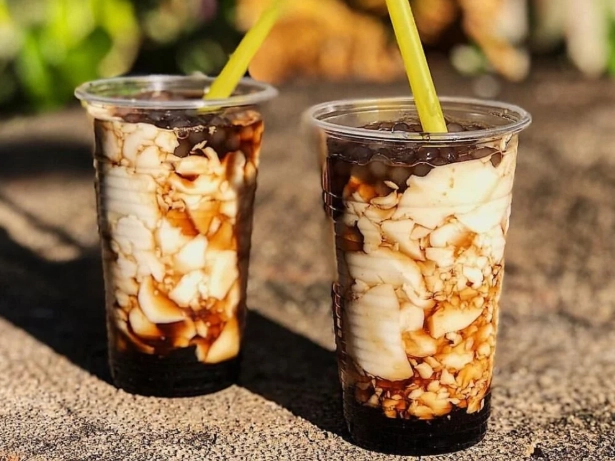
Vitamins and Minerals
Taho isn't a vitamin powerhouse, but it has some highlights. Tofu provides calcium (around 10-15% of your daily need per serving) and iron. The brown sugar in the syrup adds trace minerals like magnesium and potassium, but in minimal amounts. Don't rely on taho for your micronutrients; it's more about the macronutrient balance.
One thing I've noticed: people often overlook the sago pearls. They're mostly carbs with little nutrition, just adding texture and calories. If you're counting carbs, keep that in mind.
Health Benefits of Taho You Might Not Know
Despite the sugar, taho has redeeming qualities. Let's talk benefits.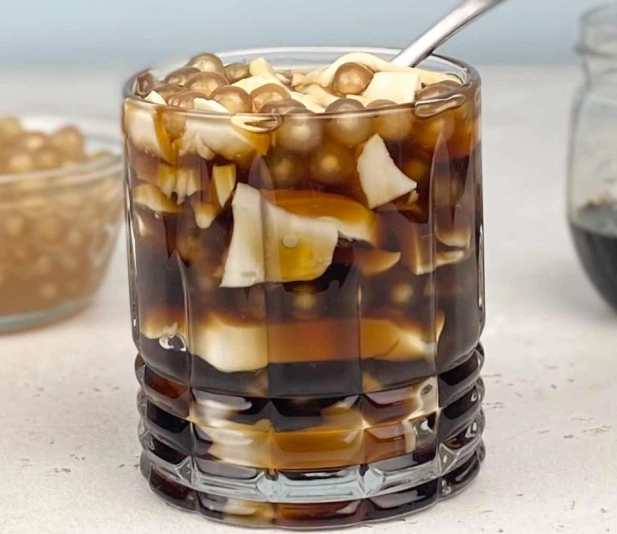
Protein Boost: The tofu gives you a decent protein hit. For a plant-based snack, that's valuable. Protein helps with satiety—you feel full longer. I've found that having taho in the morning keeps me from snacking on chips later.
Calcium for Bones: Tofu is often fortified with calcium, especially in commercial versions. In the Philippines, many vendors use locally made tofu that might not be fortified, but it still has natural calcium. Good for bone health, especially if you're not big on dairy.
Energy Source: The carbs from the syrup and sago provide quick energy. That's why it's popular for breakfast—it gives a morning pick-me-up. But here's a non-consensus point: that energy spike can lead to a crash if you're sensitive to sugar. I've seen friends get sleepy after taho because they overdid the syrup.
Comfort and Tradition: Health isn't just physical. The psychological benefit of enjoying a cultural food can reduce stress. As a Filipino friend told me, "Taho reminds me of home." That emotional connection matters, but it doesn't cancel out the sugar.
Potential Drawbacks and How to Mitigate Them
Now, the downsides. Sugar is the main villain. Twenty-five grams per serving is a lot, especially if you have taho daily. It can contribute to weight gain, blood sugar spikes, and dental issues. For context, a can of soda has about 39 grams of sugar—taho isn't far off.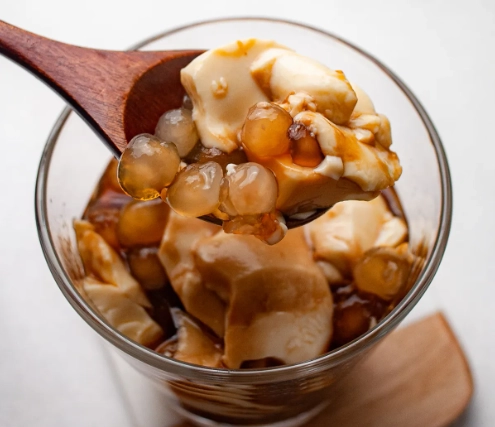
Another issue: portion control. Street vendors often give generous servings, and it's easy to eat more than one cup. I've been guilty of asking for extra arnibal, which doubles the sugar.
How to mitigate? First, ask for less syrup. Most vendors will accommodate. Second, make it at home. Use low-sugar or sugar-free syrup alternatives like stevia or monk fruit. Third, add healthier toppings—think sliced fruits or a sprinkle of nuts for extra fiber and nutrients. This way, you keep the protein and cut the sugar.
Also, taho isn't for everyone. If you have diabetes or are on a low-carb diet, it's probably not the best choice unless you modify it heavily. I've tried a keto version with almond milk tofu and erythritol syrup—it works, but it's not the same.
How to Enjoy Taho as a Healthy Snack
So, can taho be part of a healthy diet? Absolutely, with tweaks. Here's a practical guide.
Opt for Homemade: Making taho at home lets you control ingredients. Use soft tofu, reduce the sugar in the syrup by half, and boil sago pearls yourself (they're just tapioca starch). I do this weekly—it takes 20 minutes, and I know exactly what's in it.
Balance Your Meal: Pair taho with something protein-rich or fibrous. For example, have it after a meal with vegetables, or add a side of boiled eggs. This slows sugar absorption.
Timing Matters: Eat taho as a mid-morning or post-workout snack. The carbs can refuel your muscles, and the protein aids recovery. Avoid it late at night when you're sedentary.
Vendor Tips: If buying from a street vendor, look for ones who use fresh tofu and moderate syrup. In Manila, I prefer vendors near markets—they tend to have better quality. Ask for "konting arnibal" (little syrup) to cut sugar.
Here's a personal hack: I sometimes substitute sago with chia seeds. They add omega-3s and fiber, making the snack more nutritious. It changes the texture, but it's a healthy twist.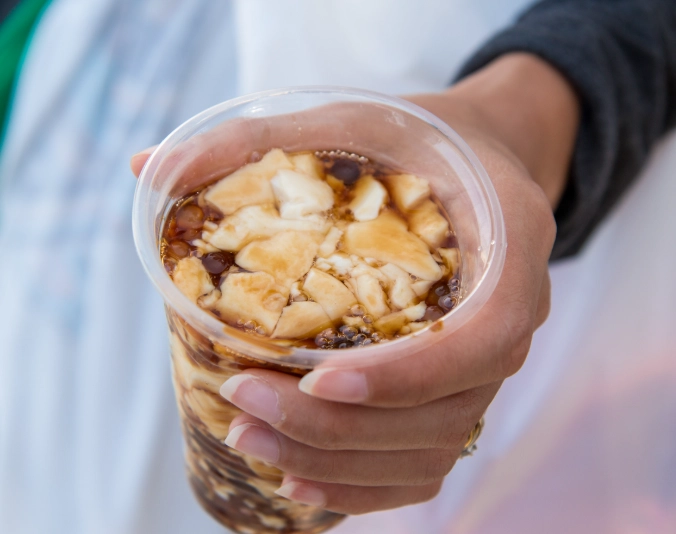
FAQ: Your Burning Questions Answered
Wrapping up, taho is a snack with potential. It's not inherently unhealthy, but the default version is sugar-heavy. By making smart choices—like reducing syrup or going homemade—you can enjoy it guilt-free. Remember, health is about context. If taho brings you joy and you balance it with other foods, it can fit into a healthy lifestyle. Next time you hear that familiar call from a taho vendor, you'll know exactly what to ask for.