So you need to make palabok for a big family gathering, a birthday party, or maybe a potluck. You search for a recipe and find plenty for "4-6 servings," but you need to feed 15-20 people. Scaling up isn't just about multiplying numbers. Making 1 kilo of palabok noodles is a different game. The sauce balance, the order of operations, even the cooking vessel changes. This guide is for that exact scenario. I've made this for fiestas more times than I can count, and I'll walk you through every detail to get that perfect, saucy, topping-laden pile of noodles that tastes like it came from a seasoned Filipino cook's kitchen.
Your Palabok Feast Roadmap
What is Palabok, Anyway?
Palabok is a Filipino noodle dish built on a foundation of rice noodles (bihon) smothered in a rich, orange-golden sauce made from achuete (annatto) seeds, fish sauce, and a thickened shrimp or pork broth. It's the toppings that make it a celebration: crushed chicharon (pork rinds), smoked fish flakes (tinapa), hard-boiled eggs, shrimp, and green onions. The magic is in the contrast—the soft noodles, the velvety sauce, and the crunchy, salty, smoky toppings in every bite. It's a staple at parties because it's meant to be shared. Making 1 kilo is committing to that spirit of sharing.
The Complete 1-Kilo Palabok Shopping List
Scaling a recipe for 4 to a recipe for 20 isn't linear. You need more sauce volume relative to noodles, and your topping quantities need to be generous. Here’s your precise market list. Don't wing it—this balance is tested.
| Ingredient | Quantity for 1 Kilo Noodles | Notes & Why It Matters |
|---|---|---|
| Rice Noodles (Bihon) | 1 kilogram (1000g) | Use the thin variety. Don't substitute with pancit canton (egg noodles). |
| Achuete (Annatto) Seeds | 1/2 cup | For color and earthy flavor. Powdered annatto can be used (3 tbsp). |
| Pork Belly or Shoulder | 500 grams | Diced. This forms the base of your sauce's meaty flavor. |
| Shrimp (medium) | 300 grams | Peeled and deveined. Keep the shells and heads for the broth. |
| Smoked Fish (Tinapa) | 2 whole pieces | Flaked. This is non-negotiable for authentic smoky depth. |
| Garlic | 1 whole head (10-12 cloves) | Minced. Yes, that much. It's the aroma base. |
| Onion | 1 large | Chopped. |
| Fish Sauce (Patis) | 1/2 cup | Adjust to taste. This is your primary salt source. |
| Pork or Shrimp Broth | 8-10 cups | Homemade from pork bones/shrimp shells is ideal. Low-sodium store-bought works in a pinch. |
| Cornstarch | 1 cup + 2 tbsp | Mixed with 1 cup cold water. This is what thickens the massive volume of sauce. |
| Chicharon (Pork Rinds) | 200 grams | Crushed. The main crunchy topping. |
| Hard-boiled Eggs | 8-10 eggs | Sliced or quartered. |
| Green Onions & Calamansi | 1 bunch & 10-15 pieces | For garnish and the essential citrus squeeze. |
How to Make Palabok Sauce from Scratch
This is the heart of the dish. Mess up the sauce, and you have bland, sticky noodles. For 1 kilo, you need a large, wide pot or Dutch oven—this isn't a saucepan job.
Step 1: Extract the Achuete Oil
Heat 1/2 cup of cooking oil in your large pot over medium-low heat. Add the 1/2 cup achuete seeds. Swirl them around for 3-4 minutes until the oil turns a deep, vibrant red. Do not let the seeds burn or they'll turn bitter. Strain the oil into a bowl, discarding the seeds. You now have your flavor and color base. Put the colored oil back in the pot.
Step 2: Build the Flavor Foundation
Increase heat to medium. Saute the mountain of minced garlic and chopped onion in the red oil until soft and fragrant. Add the diced pork. Cook until it's no longer pink. Then, add the peeled shrimp. Cook just until they turn pink, about 2 minutes. Remove the shrimp and set them aside for toppings—this prevents them from getting rubbery in the sauce.
Step 3: Create and Thicken the Sauce
Pour in your 8 cups of broth and the 1/2 cup of fish sauce. Bring to a simmer. Let it cook for 15-20 minutes so the pork becomes tender and the flavors meld. Now, here's the critical step for a large batch: taste the broth. It should be salty and flavorful enough on its own, as the noodles will dilute it. Adjust with more patis if needed.
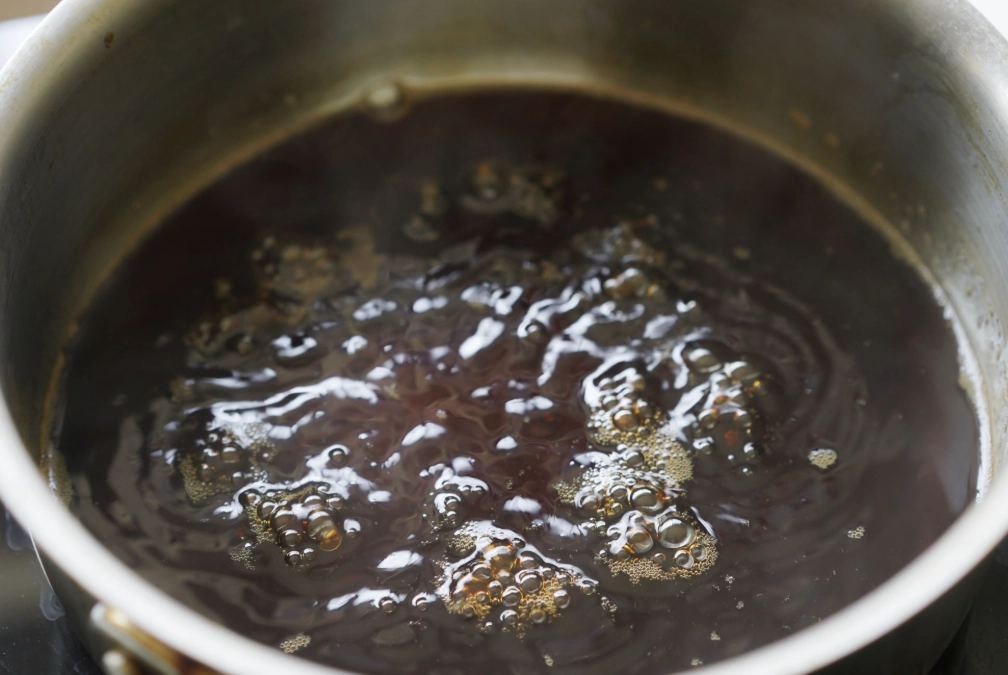
Give your cornstarch-and-water slurry a good stir (it settles quickly). While the broth is at a steady simmer, pour the slurry in a thin stream, whisking constantly. The sauce will thicken almost immediately. You're aiming for a gravy-like consistency that will coat the back of a spoon. If it gets too thick, whisk in a bit more broth or water. Turn off the heat. This is your glorious palabok sauce.
Cooking the Noodles and Preparing Toppings
This is your mise en place. Do this while the sauce simmers.
The Noodles: Soak the 1 kilo of bihon in warm water for about 10 minutes just to soften. Drain well. Bring a very large pot of water to a boil (you might need to split the noodles into two batches). Cook the drained noodles for 3-4 minutes until al dente. They will cook further in the sauce later. Drain immediately and rinse with cold water to stop cooking. Toss with a little oil to prevent sticking.
The Topping Station:
- Flake the tinapa, removing all bones.
- Crush the chicharon in a bag. Keep some pieces chunky for texture.
- Slice the hard-boiled eggs and green onions.
- Cut the calamansi in half.
- Keep the cooked shrimp aside.
Assembling and Serving Your 1 Kilo of Palabok
You need a huge platter or two large serving trays. Re-warm your sauce gently if it has thickened too much, adding a splash of water. Place the drained noodles in the tray(s). Pour the warm sauce over the noodles. Use tongs or two large forks to gently toss and lift the noodles, ensuring every strand gets coated. Don't over-mix or the noodles can break.
Now, artfully arrange your toppings in sections or layers: the crushed chicharon, flaked tinapa, shrimp, egg slices, and a generous sprinkle of green onions. Serve immediately with calamansi on the side for squeezing. The contrast of the hot saucy noodles with the cool, crisp toppings is part of the experience.
Expert Tips for a Stress-Free Party
Making 1 kilo means you're hosting. Don't be a slave to the kitchen when guests arrive.
Make-Ahead Strategy: You can prepare everything 1 day ahead. Cook the sauce completely, store it in a container (it will thicken in the fridge). Cook the noodles, rinse, toss with oil, and store in a bag. Prepare all toppings and store separately. The next day, reheat the sauce with a little added water to loosen it up. Re-warm the noodles by quickly dipping them in hot water or steaming them. Assemble.
Serving Logistics: For a buffet, consider setting up a "palabok station." Have the sauced noodles in a large chafing dish to keep warm, with all the toppings in separate bowls with spoons. Let guests build their own. It's interactive and ensures toppings stay crisp.
What to serve with it? It's rich, so balance with something light and fresh: a simple lumpiang sariwa (fresh spring rolls) or a green mango and tomato salad. Iced tea or calamansi juice are perfect drink pairings.