Let's talk about Filipino beef dishes. If you think Filipino food is all about adobo and lechon, you're missing out on a whole world of rich, savory, and deeply comforting beef-based meals. Filipino cuisine has a special relationship with beef, often slow-cooked until it's fall-apart tender, swimming in flavorful sauces that are the result of Spanish, American, and indigenous influences. I've spent years cooking and eating my way across the Philippines, from street-side carinderias to family-owned restaurants, and the beef dishes always tell a story of patience, celebration, and home.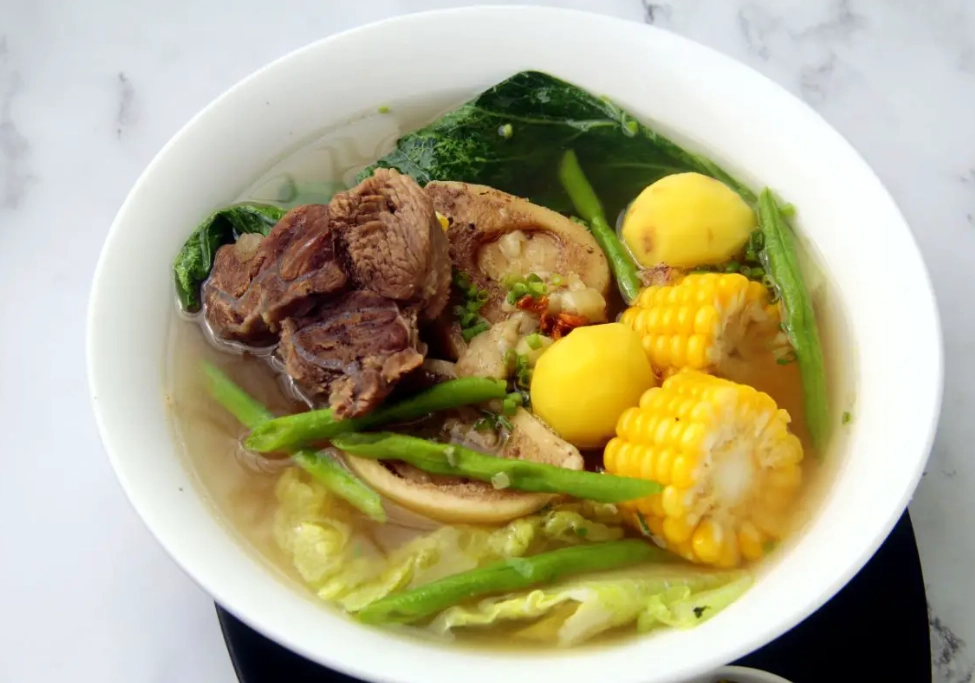
This isn't just a list. It's a guide to understanding what makes these dishes special, how to spot a good version, and crucially, how to avoid the common pitfalls that can turn a potential masterpiece into a mediocre meal. We're going beyond the recipe card.
What's Inside This Guide
- The Essential Five: Top Filipino Beef Dishes
- Beef Caldereta: The Festive Centerpiece
- Bulalo: Bone Marrow Bliss
- Beef Mechado: The Tomato-Based Stew
- Kare-Kare: The Peanut Stew Challenge
- Bistek Tagalog: The "Filipino Steak"
- Mastering Filipino Beef Cooking Techniques
- Your Filipino Beef Dish Questions Answered
The Essential Five: Top Filipino Beef Dishes
Before we get into the nitty-gritty, here are the five Filipino beef dishes that consistently win hearts and fill bellies. Think of this as your culinary checklist.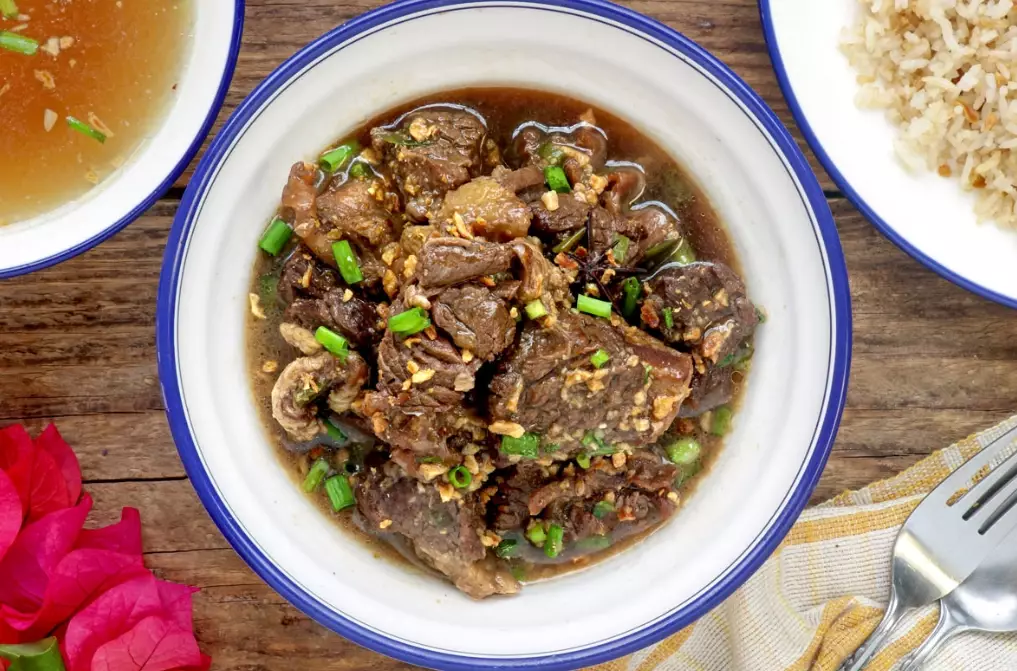
Beef Caldereta: The king of Filipino fiesta food. A rich, slightly spicy stew with tomato sauce, liver spread, bell peppers, and olives. It's bold, it's complex, and it's non-negotiable for parties.
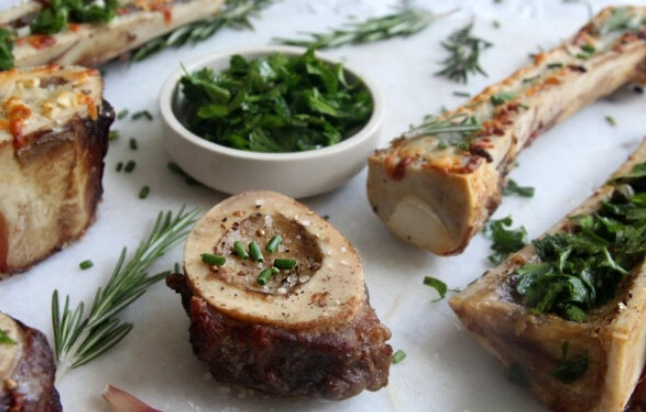
Bulalo: The ultimate comfort soup. Beef shanks and marrow bones simmered for hours until the broth is clear, rich, and soul-warming. The marrow is the prize.
Beef Mechado Often confused with Caldereta, but distinct. It's a tomato-based stew where the beef is traditionally larded with pork fat ("mecha" means wick). The flavor is simpler, more tomato-forward, and deeply savory.
Kare-Kare: A unique peanut and ground rice stew, usually made with oxtail, tripe, and vegetables. Served with a side of fermented shrimp paste (bagoong). It's an acquired taste that becomes an obsession.
Bistek Tagalog: The Filipino take on beef steak. Thinly sliced beef sirloin marinated and cooked in soy sauce, calamansi (Filipino lime), and onions. It's tangy, salty, and incredibly fast to make.
A quick note on "authenticity": You'll find a hundred variations of each dish. A Caldereta in Pampanga uses more liver and is darker. A Bulalo in Tagaytay has more vegetables. That's the beauty of it. The recipes below are solid, foundational versions you can adapt.
Beef Caldereta: The Festive Centerpiece
Caldereta is my benchmark for a great Filipino cook. Why? Because it's so easy to mess up. The balance between the tomato sauce, liver spread (yes, liver spread), and the slight heat from chilies is a tightrope walk.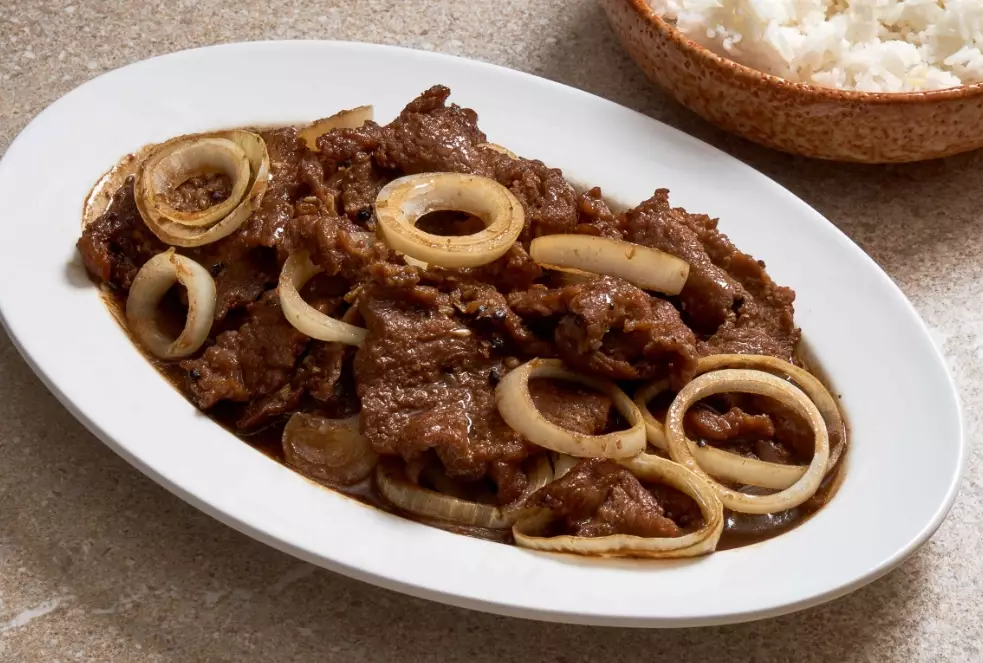
Where Most Home Cooks Go Wrong
The biggest mistake is using cheap, sweet tomato sauce. It makes the whole stew cloying. You want a plain, unseasoned tomato sauce or, even better, blended fresh tomatoes. The second mistake is skipping the liver spread or using too little. That spread is the secret umami bomb that gives Caldereta its distinctive depth and thickens the sauce. Without it, you just have a meaty tomato stew.
Here's my go-to method for a foolproof Beef Caldereta:
- Brown the beef (chuck or brisket) in batches. Don't crowd the pot. This isn't just for color; it builds the flavor foundation.
- Sauté onions, garlic, and ginger until fragrant. Add a tablespoon of annatto powder (atsuete) for that classic red-gold color.
- Return the beef, add broth, and simmer for 1.5-2 hours until tender. This is non-negotiable. Tender beef is everything.
- Now, the sauce: Stir in 1 cup of tomato sauce and ¾ cup of liver spread (like Reno Liver Spread). Mix until smooth.
- Add the vegetables: Potatoes, carrots, bell peppers, and green olives. Simmer for another 15-20 minutes until the veggies are cooked but not mushy. A sliced siling haba (long green chili) adds a gentle heat.
- Finish with a little cheese. A handful of grated cheddar or a slice of processed cheese melted in at the end adds a creamy, salty finish that's surprisingly traditional.
Bulalo: Bone Marrow Bliss
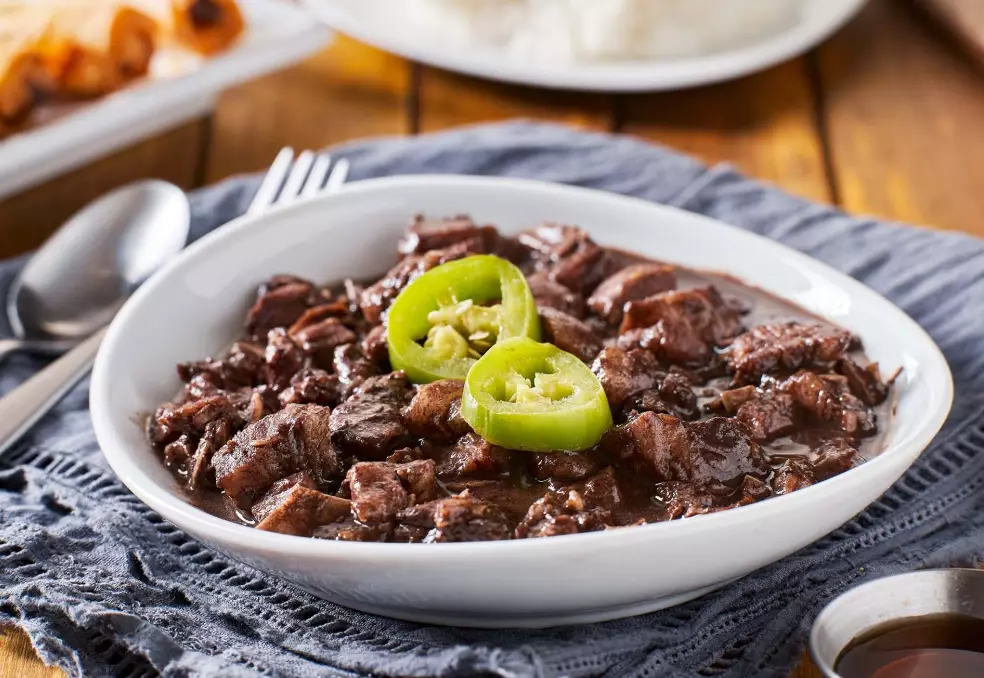
Bulalo is therapy in a bowl. It's deceptively simple: beef shanks with the marrow bone, water, salt, and peppercorns. The magic happens over 3-4 hours of gentle simmering. The goal is a crystal-clear broth that's intensely beefy, with meat so tender it falls off the bone.
The marrow is the star. Scoop it out with a small spoon, spread it on rice, and sprinkle a little rock salt on top. It's pure, unadulterated richness.
Where to find a great Bulalo? While you can make it at home, it's a dish best experienced where it's famous. Head to Tagaytay, the cool mountain city south of Manila. Restaurants like Bulalo Point or Leslie's have built their reputations on this dish. You'll get a massive, steaming pot with corn on the cob, cabbage, and pechay (bok choy), perfect for the chilly weather. Expect to pay around 400-600 PHP ($7-$11) for a pot good for 2-3 people.
The One Thing Your Bulalo Broth Needs
Patience. And a skimmer. You must skim the scum that rises to the top during the first hour of boiling. If you don't, your broth will be cloudy and have an off-flavor. Start with cold water, bring to a boil, skim relentlessly, then lower to a bare simmer. Don't let it boil vigorously again. That's the secret to a clear, clean-tasting broth.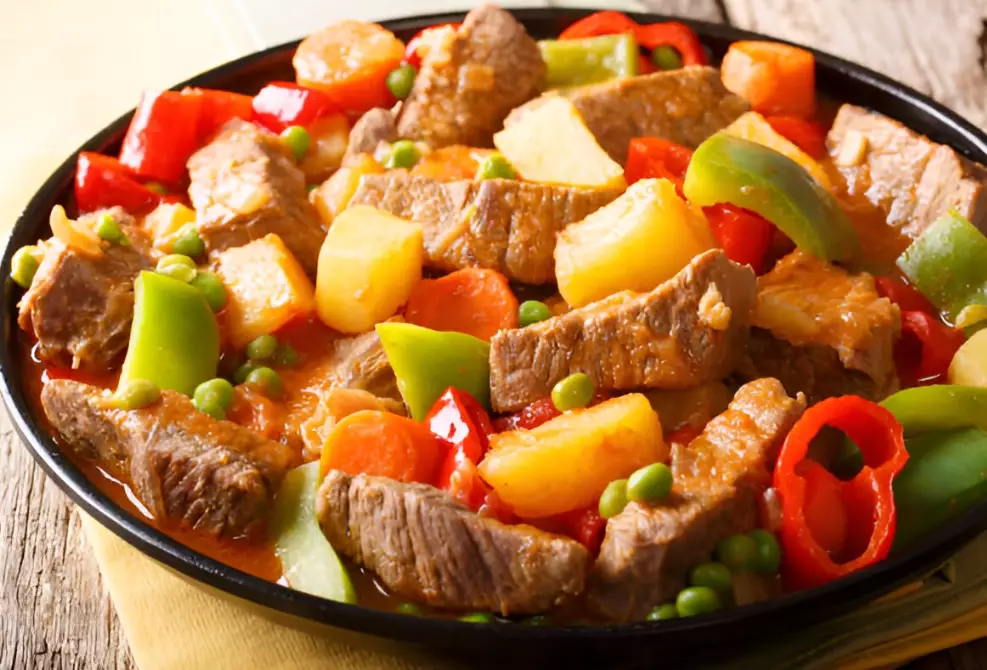
Beef Mechado: The Tomato-Based Stew
Mechado is the quieter, often overlooked cousin of Caldereta. It's less about a complex sauce and more about the pure flavor of beef and tomatoes. The name comes from the old method of threading a strip of pork fat through the center of the beef round, like a wick (mecha), to keep it moist during long cooking. Today, we usually just use well-marbled beef chuck.
The flavor profile is simpler: soy sauce, tomato sauce, and bay leaves. It's the kind of dish that tastes even better the next day. The key difference from Caldereta? No liver spread, no cheese, and typically no olives or bell peppers. It's a straighter, more savory shot of beef and tomato goodness.
Kare-Kare: The Peanut Stew Challenge
Kare-Kare is the divisive one. You either love it or you're puzzled by it. A thick, yellow-orange stew made from ground peanuts (or peanut butter), ground toasted rice, and annatto, served with oxtail, tripe, and vegetables like eggplant, string beans, and banana heart.
The make-or-break element is the bagoong (fermented shrimp paste) served on the side. You take a bite of the rich, slightly sweet stew, then a tiny dab of the powerfully salty, funky bagoong. The combination is explosive and addictive.
The common failure: Using only peanut butter. It makes the stew too sweet and one-dimensional. You must use ground toasted rice (or rice flour) to give it that authentic, slightly gritty texture and nutty depth. You can buy pre-mixed Kare-Kare powder, but toasting your own rice and grinding it with peanuts makes a world of difference.
For an authentic experience in Manila, try Crisostomo in multiple locations. Their Kare-Kare is a reliable benchmark, often using a mix of oxtail and beef. A serving costs around 350-450 PHP ($6-$8).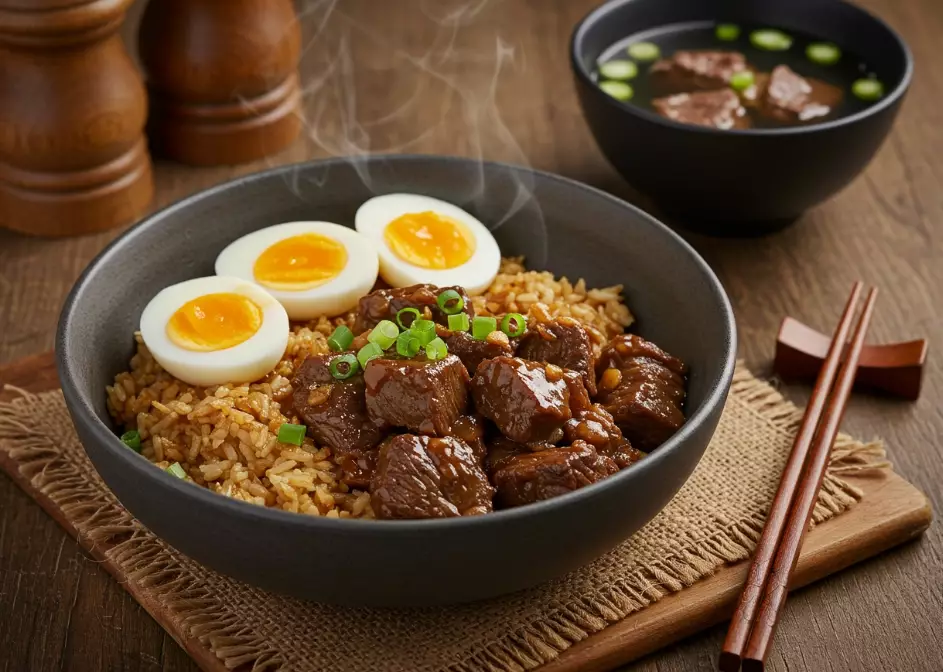
Bistek Tagalog: The "Filipino Steak"
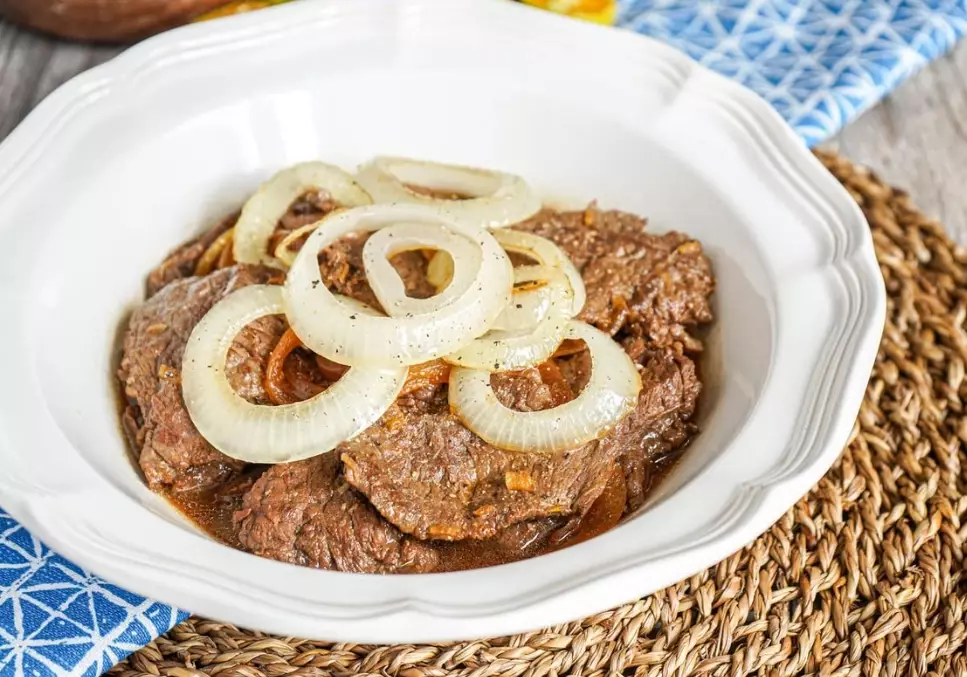
Bistek is your weeknight hero. It comes together in under 30 minutes. Thinly sliced beef sirloin or tenderloin is marinated briefly in a mix of soy sauce and calamansi juice, then quickly pan-fried. The magic is in the sauce—you deglaze the pan with the marinade and a lot of onions, creating a tangy, salty, oniony gravy that you pour over the beef and rice.
It's simple, but the quality of ingredients matters. Use a good, not-too-salty soy sauce. And if you can't find calamansi (look in Asian markets), use a 2:1 mix of lemon and lime juice. It's not perfect, but it gets close to that unique floral acidity.
The trick is not to overcook the beef. Since it's sliced thin, it cooks in minutes. Sear it over high heat just until it loses its pink, then remove it immediately. Let it rest in the sauce with the onions. It will continue to cook a little, staying tender.
Mastering Filipino Beef Cooking Techniques
These dishes share a culinary DNA. Understanding these principles will make you a better cook for all of them.
1. The Cut is Crucial. You need tough, collagen-rich cuts. Chuck, brisket, shank, oxtail. These cuts transform with long, slow, moist heat from chewy to spoon-tender. Using sirloin in a Caldereta is a waste of money and will give you dry, stringy meat.
2. Browning is Not Optional. That Maillard reaction (the browning) is where deep, savory flavor is born. Take the time to brown your meat in batches in hot oil. Don't steam it in a crowded pot.
3. Low and Slow Wins the Race. After browning and adding liquid, the heat must drop to the gentlest simmer. A bubbling boil will toughen the meat fibers and cloud your broths. Patience is the main ingredient.
4. Balance the Saltiness. Filipino food uses a lot of savory elements: soy sauce, fish sauce, shrimp paste. Always taste at the end, and balance with a touch of sweetness (a pinch of sugar) or acidity (a squeeze of calamansi) if it's too salty.
Your Filipino Beef Dish Questions Answered
 Can I make a good Kare-Kare without using tripe or oxtail?