Let's be honest. The first time you see a picture of palabok – that glorious mound of rice noodles smothered in a rich, orange shrimp sauce and piled high with toppings – it looks intimidating. Most recipes make it seem like a weekend project. I used to think that too, until I cracked the code on making a truly easy palabok recipe that delivers on flavor without the marathon cooking session. The secret isn't in slaving over a stove for hours; it's in a smart, 30-minute sauce shortcut and knowing which corners you can absolutely cut.
What’s Inside This Easy Palabok Guide
What Exactly Is Palabok Pancit?
Palabok is a Filipino noodle dish that's all about the sauce. Think of it as the Filipino answer to a great carbonara – the noodles are a vehicle for a luxurious, umami-packed topping. The base is thin rice noodles (bihon). The star is a thick sauce made from shrimp broth, ground pork or shrimp, and annatto for that signature orange color. It's then loaded with a confetti of toppings: crushed chicharon (pork rinds), tinapa (smoked fish) flakes, hard-boiled eggs, and green onions.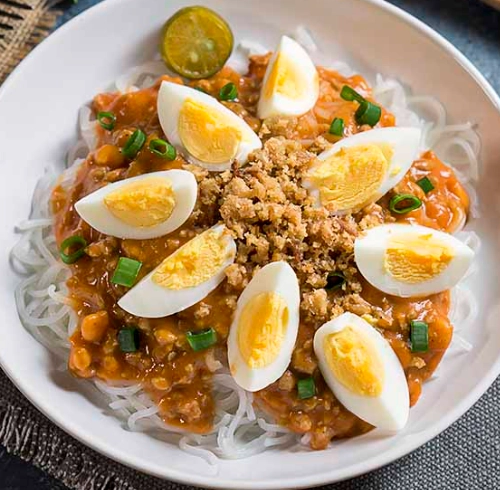
It's a fiesta food, a birthday staple, and a comfort dish all in one. The traditional method involves making a shrimp stock from scratch, which is where the "hard" reputation comes from. We're skipping that.
The Secret to Easy Palabok: The 30-Minute Sauce
Here's the non-consensus part most blogs won't tell you: you don't need homemade shrimp stock for incredible palabok. The depth of flavor doesn't come from hours of simmering shells alone; it comes from the layering of savory ingredients.
My easy sauce builds flavor in three key layers:
- The Aromatics & Protein Base: Sautéing garlic, onions, and ground pork (or shrimp) until deeply browned creates the first layer of savoriness (the Maillard reaction is your friend here).
- The Flavor Amplifiers: This is where fish sauce (patis) and shrimp paste (bagoong alamang) come in. They're potent, so a little goes a long way, but they add a complex salty-umami punch that powdered broth can't replicate.
- The Liquid & Thickening Agent: Using a good-quality store-bought shrimp or seafood broth is perfectly fine. I often use the one from a reputable brand like "Knorr" or "Lee Kum Kee." The real thickener is rice flour, which gives the sauce its signature velvety, gravy-like consistency without lumps.
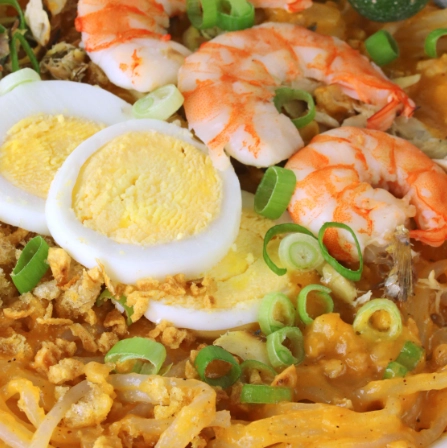
Annatto powder (atsuete) gives the color. If you can't find it, a tiny pinch of paprika and turmeric can approximate the hue, but annatto has a unique, slightly nutty flavor.
My Biggest Sauce Mistake (So You Don't Make It)
I used to add the rice flour directly to the hot liquid. Big mistake. You'll get a bowl of lumpy glue. Always, always mix the rice flour with cold water or some of the cool broth first to make a smooth slurry. Then whisk it into the simmering sauce. The difference is night and day.
Your Easy Palabok Shopping List (With Substitutions)
Here’s exactly what you need. I've included the easy-to-find swaps because I know not everyone has an Asian grocery store down the street.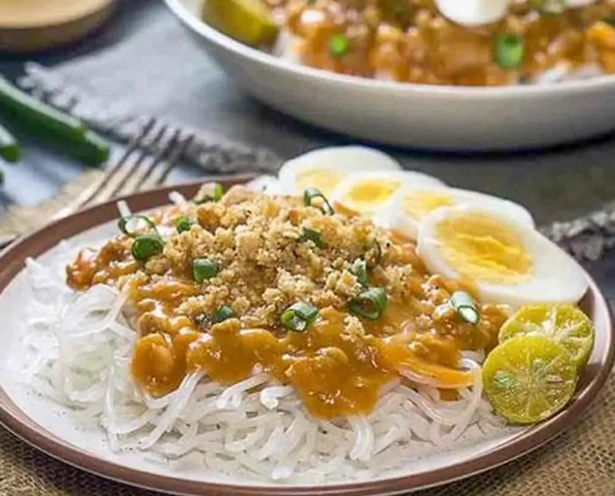
| Ingredient | What It Is & Why You Need It | Easy Substitution If Unavailable |
|---|---|---|
| Rice Sticks (Bihon) | Thin, dried rice noodles. They soak up the sauce perfectly. | Vermicelli rice noodles. Do NOT use wheat-based noodles like spaghetti. |
| Ground Pork | Provides substance and fat for the sauce base. | Ground chicken, turkey, or chopped small shrimp. |
| Shrimp/Seafood Broth | The liquid foundation. Store-bought is fine. | Chicken broth + 1 tsp fish sauce. The flavor will be different but still good. |
| Shrimp Paste (Bagoong) | The umami bomb. Use the sautéed kind. | Extra tablespoon of fish sauce (adjust salt later). |
| Annatto Powder (Atsuete) | For authentic color and mild flavor. | 1/2 tsp paprika + 1/4 tsp turmeric (for color only). |
| Rice Flour | The key to a smooth, thick sauce. | |
| Toppings: Chicharon, Tinapa, Eggs, etc. | For texture and visual appeal. |
Where to Shop: Your regular supermarket will have 70% of this (broth, pork, flour). For rice noodles, annatto, and shrimp paste, check the international aisle or a local Asian market. Filipino-specific stores will have everything, including pre-made palabok sauce mixes (which we're not using, but they exist as a last-resort shortcut).
How to Make Easy Palabok: A Simple 4-Step Process
This isn't a rigid recipe. It's a flow. Get your ingredients prepped ("mise en place"), and the whole thing comes together while the noodles soak.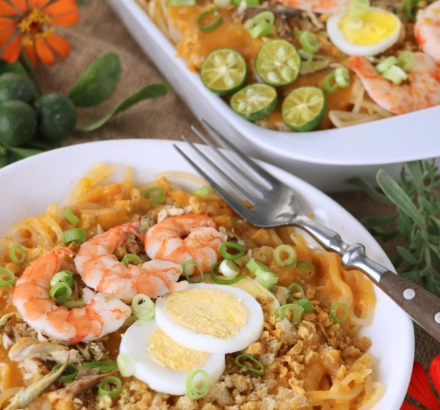
Step 1: Prep is Everything (15 minutes)
Don't start cooking yet. Do this first:
- Soak the rice noodles in warm water for 15 minutes until pliable but not fully soft. They'll finish cooking later.
- Hard-boil and slice your eggs.
- Chop your garlic, onion.
- Measure your broth, mix the annatto powder with 2 tbsp of it.
- Make the rice flour slurry: mix rice flour with 1/2 cup COLD water until smooth.
- Prep your toppings (crush chicharon, flake tinapa, chop greens).
Now you're ready to cook without panic.
Step 2: Build the Flavor Foundation (10 minutes)
Heat oil in a large pan or wok. Sauté garlic and onions until soft. Add the ground pork. Break it up and cook until no longer pink and starting to brown. That browning equals flavor. Stir in the shrimp paste and fish sauce. Cook for another minute. It will smell strong, but that's the good stuff.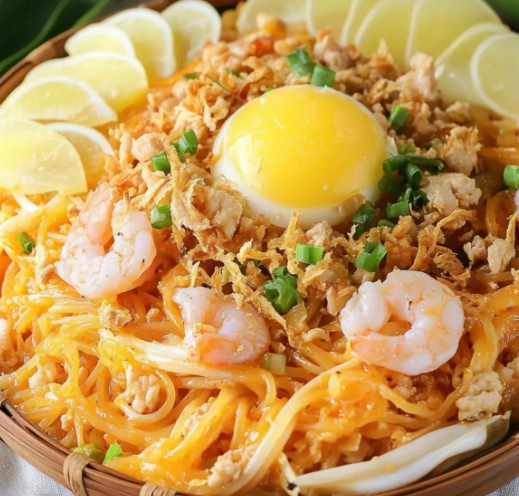
Step 3: Create the Signature Sauce (10 minutes)
Pour in the shrimp broth and the annatto mixture. Bring to a simmer. Give your rice flour slurry a quick stir (it settles) and slowly pour it into the simmering broth while whisking constantly. The sauce will thicken almost immediately. Let it simmer gently for 3-4 minutes until it's a gravy-like consistency. Taste it. Need more salt? Add a dash more fish sauce. Want more umami? A tiny bit more shrimp paste. Turn heat to low.
Step 4: Cook Noodles & Assemble (5 minutes)
Drain your pre-soaked noodles. In a separate pot, bring water to a boil. Turn it off. Add the drained noodles and let them sit in the hot water for 2-3 minutes until perfectly tender. Drain immediately.
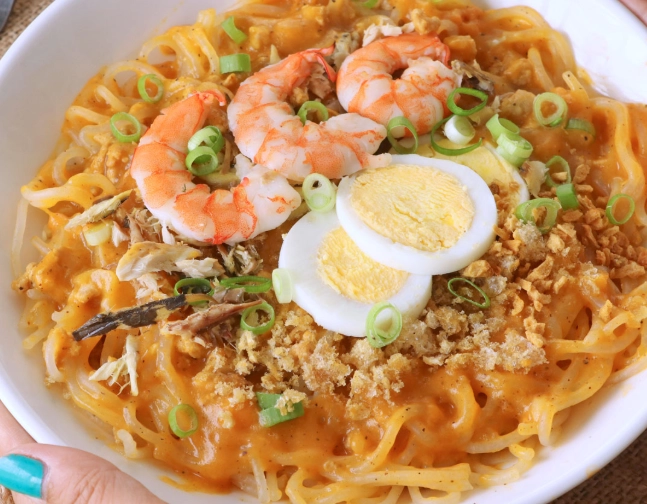
To assemble: Place a nest of noodles on a plate. Ladle a generous amount of the hot sauce over the top. Don't be shy. The noodles should be well-coated. Now, artfully (or messily, it's fine) arrange your toppings. Egg slices, a handful of crushed chicharon, a sprinkle of tinapa flakes, and a generous amount of green onions.
Serve immediately. The contrast of the hot sauce, soft noodles, and crunchy toppings is the whole point.
Pro Tips from My Kitchen (Not Just the Usual Advice)
These are the little things that separate good palabok from great, easy palabok.
- Noodle Texture is King: Overcooked rice noodles turn to mush. Under-soak them slightly in warm water, then finish in hot (not boiling) water. They should be tender but still have a slight bite.
- Control the Salt: Both fish sauce and shrimp paste are salty. Season your sauce at the end, after it's thickened. You can always add, but you can't take away.
- The Topping Trick: Keep some of the crunchy toppings (like extra chicharon) on the side for people to add as they eat. This keeps them crunchy instead of getting soggy in the sauce.
- Make it a Meal Prep Hero: The sauce freezes beautifully for up to a month. Make a double batch, freeze half. On a busy night, thaw the sauce, cook fresh noodles, and dinner is ready in 10 minutes.
- My Personal Shortcut: I keep a bag of frozen peeled shrimp in my freezer. When I make palabok, I'll sauté a handful of those with the pork for extra seafood flavor, or use the shells from those shrimp to quickly steep in my store-bought broth for 10 minutes before using it.
Your Easy Palabok Questions, Answered
I strongly advise against it. The texture and sauce absorption are completely different. Rice noodles (bihon) are slightly chewy and neutral, acting as a perfect canvas for the rich sauce. Wheat noodles like spaghetti will become gummy and overwhelm the dish. If you absolutely must substitute, thin vermicelli rice noodles are the only acceptable alternative.
You likely cooked the rice flour slurry for too long or over high heat. Rice flour thickens powerfully. The fix is simple: thin it out by whisking in small splashes of warm broth or water until it reaches a pourable, gravy-like consistency. Next time, once the sauce thickens to your liking, immediately reduce the heat to low or remove it from the heat source.
Yes, but you have to rebuild the umami layers. Use chopped mushrooms (shiitake are great) instead of pork. For the broth, use a robust vegetable broth. Replace fish sauce with soy sauce or liquid aminos, and use a vegetarian mushroom-based "oyster" sauce. For the shrimp paste, there's no direct substitute, but a small amount of miso paste can add complexity. The color from annatto is plant-based.
You can, but with a strategic approach. Prepare the sauce and toppings ahead, and store them separately in the fridge for up to 2 days. Cook the noodles fresh right before serving. Reheated noodles lose their ideal texture. If you must assemble it all ahead, expect the noodles to absorb more sauce and the crunchy toppings to soften—it'll still taste good, but the texture experience changes.
Think of "pancit" as the overarching category for Filipino noodle dishes. Palabok (or Pancit Palabok) is a specific type distinguished by its thick, orange shrimp sauce. It's the saucy, decadent cousin to stir-fried noodles like Pancit Canton (with wheat noodles) or Pancit Bihon Guisado (stir-fried rice noodles with vegetables and meat). The cooking method and final product are quite different. The National Museum of Fine Arts in the Philippines even has historical artifacts depicting the importance of noodles in Filipino culture, showing how deep this culinary tradition runs.