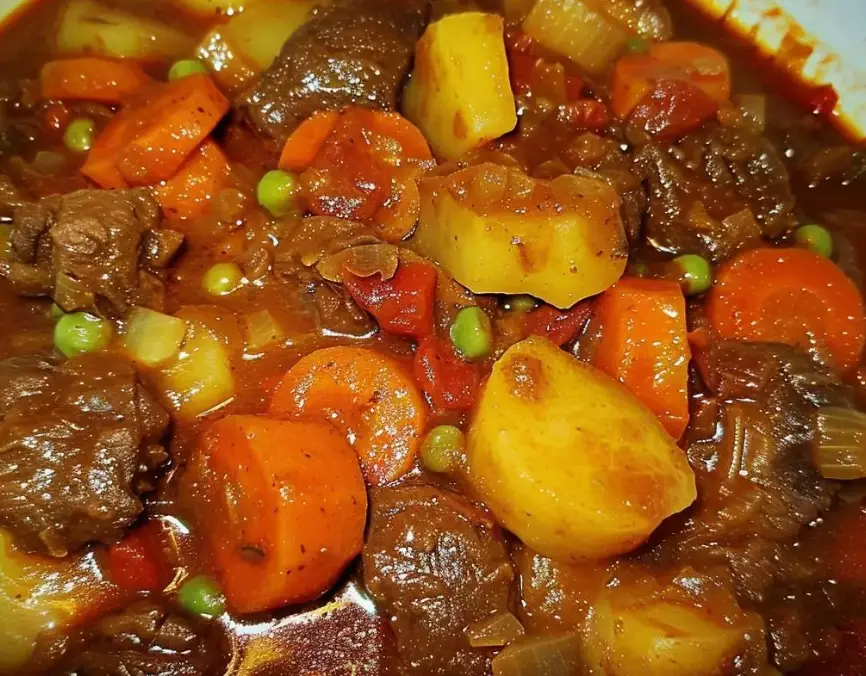
Let's be honest. You've probably had a bad mechado. You know the one—tough, chewy beef cubes swimming in a thin, greasy, tomato-ish liquid, with carrots and potatoes that are either mush or still hard. The kind that makes you wonder why this dish is a Filipino favorite. I've had it too, and it's what made me obsessed with figuring out the real deal. The mechado recipe with carrots I'm sharing here isn't just a list of ingredients; it's the result of watching my lola (grandmother) make it for decades, coupled with my own trial and error (plenty of error) in a modern kitchen. The goal? Fall-apart tender beef in a rich, balanced, deeply savory sauce where the carrots are sweet gems, not an afterthought.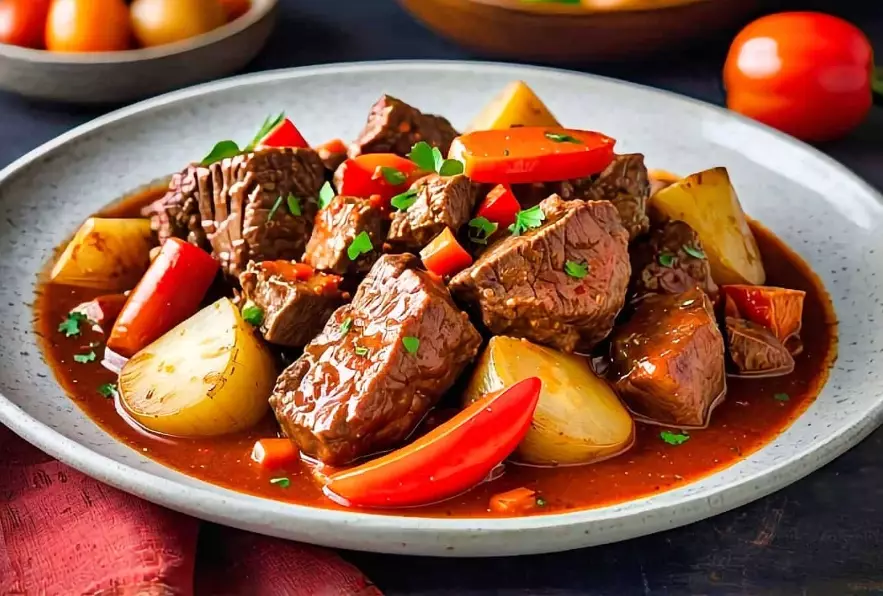
Your Guide to a Perfect Mechado
- What Is Mechado and Why Carrots Are Non-Negotiable
- Choosing the Right Beef Cut: The Single Biggest Decision
- The Mechado Pantry: More Than Just Tomato Sauce
- The Step-by-Step Process: Where Patience Pays Off
- 3 Common Mechado Mistakes (And How to Dodge Them)
- Serving, Pairing, and Storing Your Masterpiece
- Your Mechado Questions, Answered
What Is Mechado and Why Carrots Are Non-Negotiable
Mechado is a Spanish-influenced Filipino beef stew. The name supposedly comes from "mecha" (wick), referring to the strip of pork fat traditionally larded through a tough cut of beef to keep it moist. Today, we achieve tenderness through slow braising. While potatoes are common, carrots are the unsung hero. They're not just for color. As they simmer, they release a subtle sweetness that counters the acidity of the tomato sauce and the savoriness of the soy sauce, creating a more complex, rounded flavor profile you don't get with potatoes alone. Skipping them is a mistake, in my opinion.
Pro Tip: Don't just chop carrots into coins. Try cutting them into slightly larger, irregular chunks. The varying sizes mean some pieces will break down a bit into the sauce, naturally thickening and sweetening it, while others remain intact for texture.
Choosing the Right Beef Cut: The Single Biggest Decision
This is where most mechado recipes go wrong. You cannot use just any beef. Lean cuts like sirloin or round will turn into leather. Mechado is a braise, which means it requires a cut with plenty of connective tissue—collagen—that melts into gelatin during long, slow cooking, basting the meat from within and making it succulent.
| Beef Cut | Best For Mechado? | Why It Works (Or Doesn't) | Approx. Cook Time |
|---|---|---|---|
| Beef Chuck | YES (The Champion) | Perfect marbling of fat and connective tissue. Shreds beautifully when done. Flavorful and forgiving. | 1.5 - 2 hours |
| Beef Brisket (point end) | YES (A Close Second) | Extremely rich, but can be fattier. Requires careful trimming. Unbeatable flavor. | 2 - 2.5 hours |
| Beef Shank | Good (But Different) | Intense beefy flavor from the bone marrow. Meat is leaner around the bone, so watch for dryness. | 2+ hours |
| Beef Round / Sirloin | NO | Too lean. Will become tough and dry no matter how long you cook it. Save for stir-fries. | N/A |
I buy a whole chuck roast and cut it into 1.5 to 2-inch cubes myself. Pre-cut "stew meat" is often a mystery mix of trimmings and can cook unevenly. The extra 5 minutes of cutting is worth it.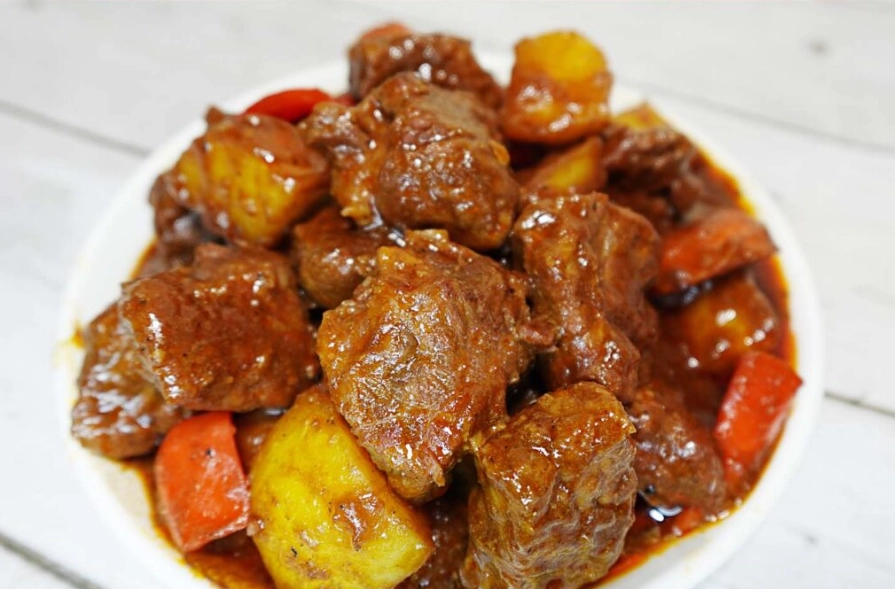
The Mechado Pantry: More Than Just Tomato Sauce
Here's what you'll need for a pot that serves 6-8 people. This isn't a minimalist recipe; each component builds a layer of flavor.
The Foundation: 2.5 to 3 lbs beef chuck, 3 tbsp cooking oil, 1 large onion (chopped), 6 cloves garlic (minced), 2 tbsp fish sauce (patis).
The Aromatics & Veg: 2 large carrots (cut into chunks), 2 bell peppers (red and/or green, sliced), 2 bay leaves, 1 tsp whole peppercorns.
The Liquid & Seasoning: 1 cup tomato sauce (plain, not pasta sauce), 1/4 cup soy sauce (I use a Filipino brand like Silver Swan for authenticity, but any regular soy sauce works), 1/4 cup calamansi juice or lemon juice, 1 cup beef broth or water, 1 tbsp brown sugar (optional, balances acidity).
Fish sauce (patis) is your secret weapon. It adds a deep, savory umami that soy sauce alone can't provide. Don't worry, it won't taste fishy.
The Step-by-Step Process: Where Patience Pays Off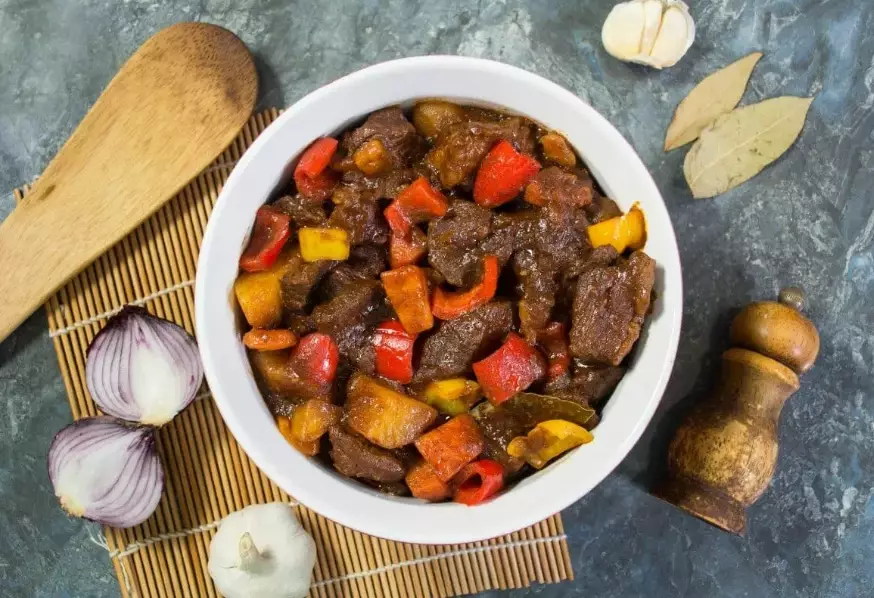
Imagine it's a rainy Sunday afternoon. You have nowhere to be. That's the ideal mechado mindset.
Step 1: The Sear (Don't Rush This)
Pat your beef cubes very dry with paper towels. This is crucial for browning, not steaming. Heat oil in a heavy pot (Dutch oven is best) over medium-high heat. Sear the beef in batches. Don't crowd the pot. You want a deep brown crust on at least two sides. This isn't just for color; it's the Maillard reaction, creating complex flavor compounds that will infuse the entire stew. This step takes 10-15 minutes total. Set the seared beef aside.
Step 2: Building the Flavor Base
In the same pot, lower the heat to medium. Add the onions and a pinch of salt. Cook until soft and translucent, about 5 minutes. Add the garlic and cook for another minute until fragrant. Now, pour in the tomato sauce. Here's a tip many miss: cook the tomato sauce in the oil and fond (those browned bits) for 2-3 minutes. It deepens its flavor, taking it from tinny to rich.
Step 3: The Braise (Low and Slow)
Return the beef and any juices to the pot. Add the fish sauce, soy sauce, calamansi juice, bay leaves, peppercorns, and enough beef broth or water to just barely cover the meat. Bring to a boil, then immediately reduce the heat to the lowest possible simmer. Cover the pot, but leave the lid slightly ajar. This allows some evaporation and concentration of flavor. Now, you wait. Let it bubble gently for about 1 hour and 15 minutes before you even think about touching it.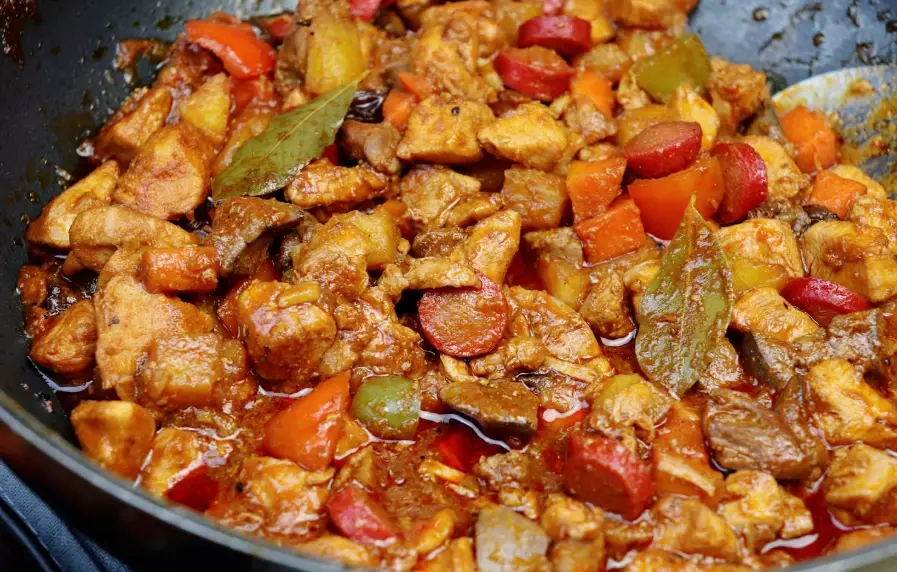
The Big Mistake to Avoid: Do not add the carrots and potatoes now. If you add them with the beef, they will disintegrate into nothing by the time the beef is tender. They go in much later.
Step 4: Adding the Vegetables
After 1.5 hours, check the beef. It should be starting to yield to a fork. Now add the carrot chunks. Let them simmer for 20-25 minutes. Then add the bell peppers and simmer for another 10-15 minutes. The goal is for the carrots to be tender but not falling apart, and the peppers to retain a slight bite.
Step 5: The Final Touch
Once everything is tender, taste the sauce. It's time to adjust. Is it too acidic? A pinch of brown sugar can help. Need more salt? A dash more fish sauce or soy sauce. If the sauce is too thin, remove the lid, increase the heat slightly, and let it reduce to your preferred consistency. The sauce should coat the back of a spoon.
3 Common Mechado Mistakes (And How to Dodge Them)
1. Using the wrong beef. We covered this. It's chuck or bust.
2. Not searing properly. Wet meat = steam = gray, bland beef. Dry it thoroughly.
3. Adding all vegetables at the start. This guarantees mushy carrots and peppers. Stagger their addition based on cooking time.
There's a fourth, more subtle one: boiling the stew instead of simmering. A rolling boil will make the beef tough and shrink it. A bare simmer, with just a few lazy bubbles breaking the surface, is what melts the collagen.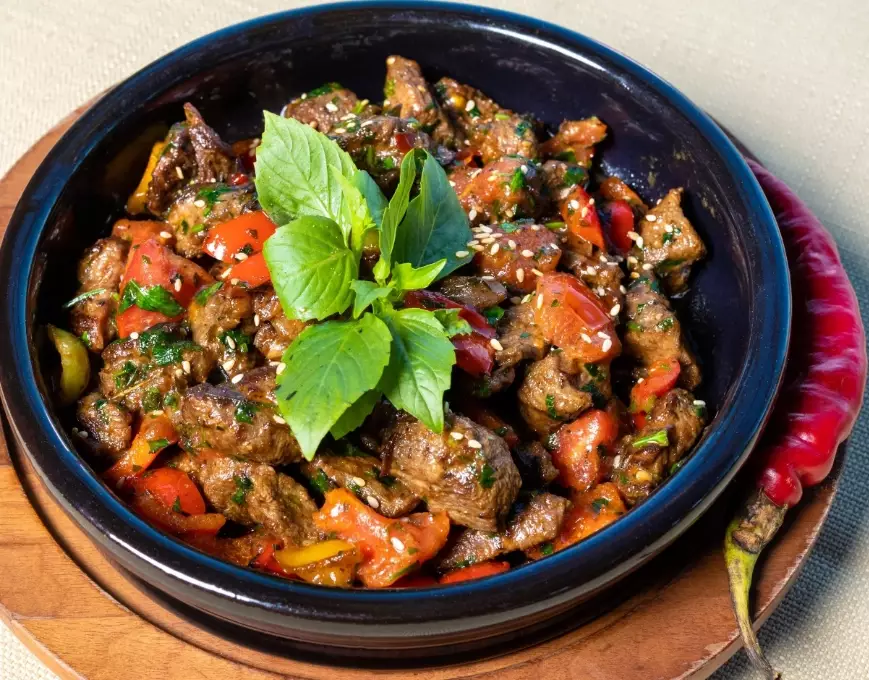
Serving, Pairing, and Storing Your Masterpiece
Serve this mechado recipe with carrots over a mountain of plain white rice. The rice is essential for soaking up every drop of that incredible sauce. A side of atchara (Filipino pickled papaya) cuts through the richness perfectly.
Leftovers? They're arguably better on day two. Let the pot cool completely, then store it covered in the fridge for up to 4 days. The flavors continue to marry and deepen. Reheat gently on the stovetop. It also freezes beautifully for up to 3 months. I often make a double batch and freeze half for a future busy weeknight.
Your Mechado Questions, Answered
Can I make mechado in a pressure cooker or Instant Pot to save time?
You can, but the texture and flavor are different. Use the sauté function to sear the beef and build the base as described. Then add everything except the bell peppers. Pressure cook on high for 35-40 minutes, followed by a natural pressure release for 10 minutes. Open the lid, switch back to sauté, add the bell peppers, and simmer until they're done and the sauce has thickened to your liking. The beef will be tender, but I find the sauce doesn't reduce and concentrate in the same way, sometimes tasting a bit more diluted.
I don't have calamansi or lemon juice. What can I use?
A good substitute is 2 tablespoons of white vinegar. Add it when you add the soy sauce. The acidity is key to balancing the richness and tenderizing the meat slightly. Don't skip it entirely.
 My mechado sauce is too thin/watery. How do I fix it?
The easiest fix is to remove the meat and vegetables with a slotted spoon, then crank up the heat under the sauce and let it boil rapidly until it reduces and thickens. You can also make a quick slurry with 1 tablespoon of cornstarch mixed with 2 tablespoons of cold water. Stir this into the simmering sauce and cook for 2 minutes until thickened. The cornstarch method gives a glossier, more gravy-like consistency.
Can I add liver spread or coconut milk to this recipe?
Absolutely. Adding 2-3 tablespoons of liver spread (like Reno Liver Spread) when you add the tomato sauce is a classic variation that adds incredible depth and a slightly thicker, grainier texture to the sauce. For a richer, slightly sweet twist, stir in 1/2 to 1 cup of coconut milk during the last 10 minutes of cooking. Don't boil vigorously after adding the coconut milk, just let it heat through.
Why is my beef still tough after cooking for a long time?
Two likely culprits. First, the cut of beef. If it's a lean cut, it will never become tender through braising—it will only get drier. Second, the cooking temperature. If your stew was at a rolling boil instead of a gentle simmer, the high heat can actually contract the muscle fibers and make the meat tough. For future attempts, ensure you're using chuck and keep the heat as low as possible once you start braising.