You hear the distant call first—"Tahoooo!"—echoing down the street in the early morning. Then you see the vendor with his iconic aluminum buckets balanced on a pole. For millions of Filipinos, this is the sound and sight of breakfast, a sweet and comforting ritual. But what exactly is in that cup? The answer is deceptively simple. Authentic Filipino taho is made of just three core ingredients: super soft silken tofu, a sweet caramel-like syrup called arnibal, and chewy sago pearls (tapioca pearls). That's it. Yet, the magic lies in the quality and preparation of each component. Getting it wrong turns it into a mediocre pudding. Getting it right creates a national icon. Let's break down each part, learn how to make it yourself, and discover where to find the best versions across the Philippines.
Your Quick Guide to Taho
What is Taho Exactly? More Than Just Ingredients
Taho isn't just a snack; it's a cultural touchstone. It's a warm, sweet, and silky soft tofu dessert traditionally sold by street vendors ("magtataho") from dawn until mid-morning. The experience is as important as the taste. The vendor deftly scoops the warm tofu from a large container, layers it with arnibal syrup from another, and tops it with a spoonful of sago pearls from a third. It's served in a small plastic cup with a spoon. For many, it's the perfect start to the day—a quick, affordable, and satisfying energy boost. Its popularity stems from its simplicity, affordability (usually between 20 to 50 PHP, or about $0.35 to $0.90), and unique texture contrast. While the ingredient list is short, each one plays a critical role in creating the final product.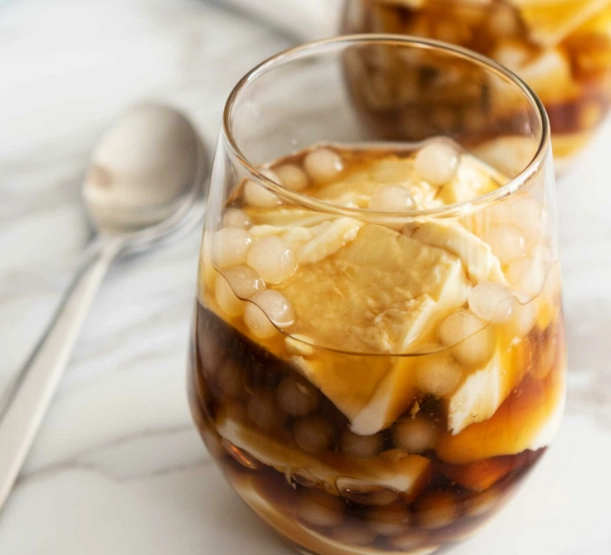
The Three Key Ingredients of Taho Explained
Let's get into the nitty-gritty of what goes into your cup. Mastering taho starts with understanding these three pillars.
1. The Foundation: Silken Tofu (Soft Tofu)
This is the star. Not just any tofu will do. You need extra soft or silken tofu ("tokwa" in Filipino, but specifically the softest variety). The texture should be incredibly delicate, almost like a very firm custard or panna cotta. It's so soft that street vendors use a flat, shallow scoop to get clean layers without mashing it into a paste.
Most commercial taho vendors in the Philippines make their own fresh tofu daily from soybeans, water, and a coagulant (usually gypsum). This ensures maximum freshness and that perfect, jiggly texture. Using firm or even regular soft tofu from a supermarket block is the most common mistake home cooks make. The result is grainy, crumbly, and completely wrong. The tofu must be served warm, not hot and never cold. Warmth allows it to absorb the syrup better and delivers that comforting feeling.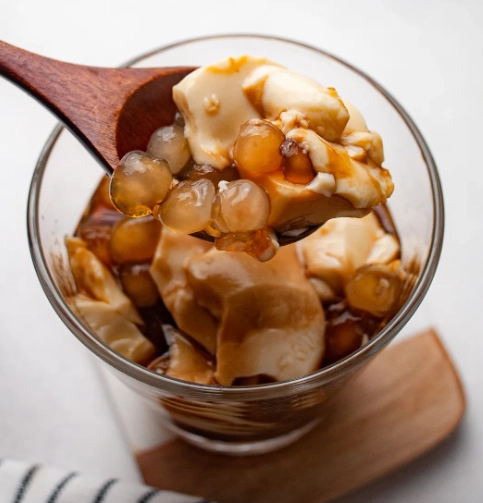
2. The Sweet Soul: Arnibal (Brown Sugar Syrup)
Arnibal is what transforms plain tofu into a dessert. It's a simple syrup made by melting dark muscovado or brown sugar with a little water and sometimes a slice of ginger or a stick of vanilla for depth. The sugar is caramelized slightly, giving the syrup a rich, molasses-like flavor and a deep amber color. The consistency is key—it should be thin enough to seep into the layers of tofu but viscous enough to coat the spoon. A syrup that's too thick becomes cloying and sits on top; too thin and it just makes the tofu watery.
Some modern twists use white sugar with a bit of vanilla, but purists (and I side with them) argue that the complex, almost smoky sweetness of muscovado is non-negotiable for authentic flavor. The ginger addition is a personal preference, but it adds a wonderful, subtle warmth that cuts the sweetness.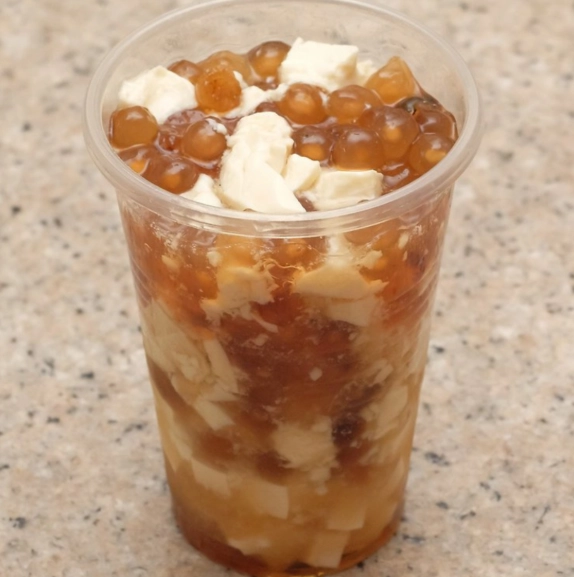
3. The Fun Chew: Sago Pearls (Tapioca Pearls)
These are the small, white, translucent tapioca pearls you often find in bubble tea. In taho, they provide the essential textural contrast to the smooth tofu and liquid syrup. They're cooked until just tender with a slight chew in the center ("al dente," if you will). Overcooked sago becomes mushy and disappears; undercooked is unpleasantly hard.
They are typically stored in simple syrup or water to keep them from sticking together. When added to taho, they should be at room temperature or slightly cool, creating a nice temperature contrast with the warm tofu. Their neutral taste allows the tofu and arnibal flavors to shine.
How to Make Authentic Taho at Home
Can't find a taho vendor? Making it at home is surprisingly straightforward if you source the right tofu. Here’s a no-fail method.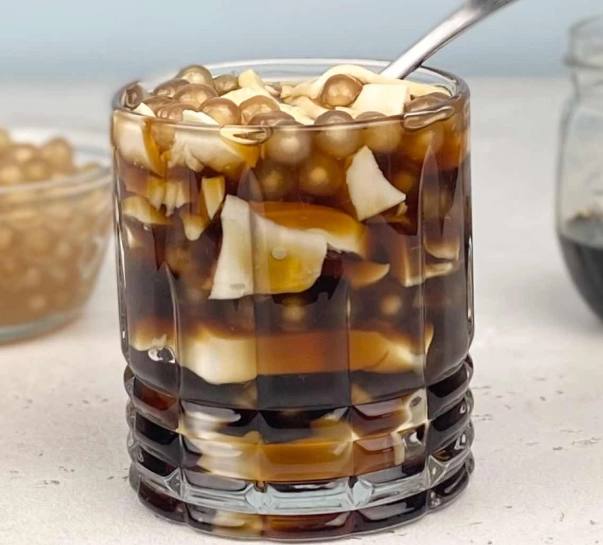
Ingredients:
- 1 box (300-350g) silken tofu
- 1 cup dark muscovado or brown sugar
- 3/4 cup water
- 1 thin slice of ginger (optional, but recommended)
- 1/2 cup uncooked small sago pearls (or 1 cup cooked)
Steps:
Prepare the Sago: Bring a large pot of water to a rolling boil. Add the sago pearls and stir. Cook for 10-15 minutes, stirring occasionally, until translucent with a tiny white dot in the center. Turn off the heat, cover, and let it sit for another 10 minutes. Drain and rinse under cold water. Soak in a little simple syrup or plain water to prevent sticking.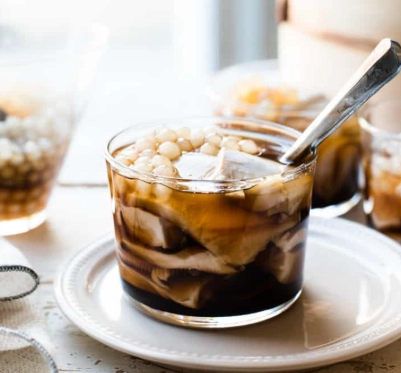
Make the Arnibal: In a small saucepan, combine the muscovado sugar, water, and ginger slice (if using). Heat over medium, stirring until the sugar dissolves completely. Let it simmer gently for 5-7 minutes until it slightly thickens into a syrup. Remove the ginger and let it cool slightly. It will thicken more as it cools.
Prepare the Tofu: Gently remove the silken tofu from its package and place it in a heatproof bowl. Steam it for 5-7 minutes over simmering water, or microwave it in 30-second bursts until just warm to the touch. Be very gentle—you just want to warm it through, not cook it further or break it apart.
Assemble: Using a large spoon, carefully scoop layers of warm tofu into a serving cup or bowl. Drizzle generous amounts of the warm arnibal syrup over each layer. Top with a spoonful of cooked sago pearls. Serve immediately.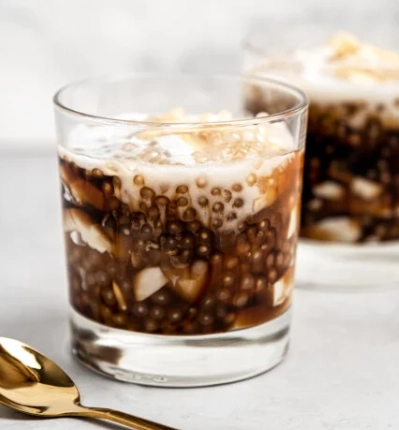
Where to Buy the Best Taho in the Philippines
While street vendors are the soul of taho, some establishments have elevated it. Here are specific spots known for their quality.
| Place / Vendor | Location / Address (General Area) | What Makes It Special | Approx. Price | Best Time to Go |
|---|---|---|---|---|
| The Classic Street Vendor | Residential streets nationwide, esp. in Metro Manila (e.g., Quezon City, Makati subdivisions) | The authentic experience; fresh, warm tofu made daily; the iconic call. | 20 - 30 PHP | Early morning (6:00 AM - 9:00 AM) |
| Quan Delicacies | Multiple branches in Metro Manila (e.g., SM Malls, Robinsons Malls) | Consistently good, readily available in malls. Their tofu is very smooth. | 35 - 50 PHP | Mall hours (10:00 AM onwards) |
| Eng Bee Tin | Ongpin Street, Binondo, Manila (Chinatown) | Famous for hopia, but their taho is a hidden gem—often praised for its rich arnibal. | 40 PHP | Morning to afternoon |
| Local "Tahohan" Stores | Provincial town markets (e.g., Baguio Market, Carbon Market in Cebu) | Often use locally sourced ingredients; the sago might be bigger and chewier. | 25 - 35 PHP | Market hours |
A personal note: I've had taho from fancy hotels that cost ten times the street price. It was perfectly fine, but it lacked the soul and the specific warmth of the street version. The slightly uneven scoop, the exact level of sweetness from a vendor who knows his regulars—that's hard to replicate in a sterile kitchen.
Taho's Health Profile: Benefits and Things to Watch
Taho is often considered a relatively healthy sweet treat, but let's be real about it.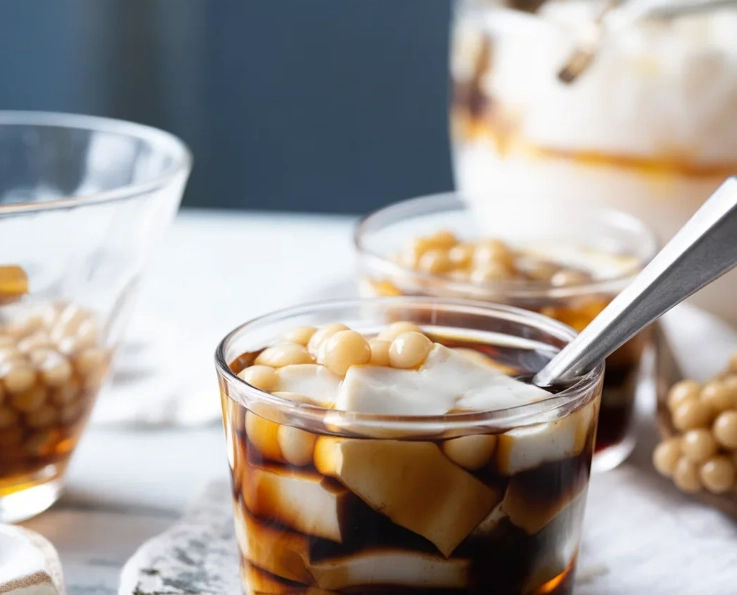
The Good: Silken tofu is a good source of plant-based protein, calcium (from the coagulant), and iron. It's low in saturated fat. Soybeans contain isoflavones, which have been studied for various health benefits (though the evidence in tofu is moderate). It's certainly a better breakfast option than a sugary doughnut.
The Caveat: The arnibal is pure sugar. A typical serving can contain 20-30 grams of sugar or more, depending on how generous the vendor is with the syrup. If you're watching your sugar intake, you can ask for "konting arnibal lang" (just a little syrup). The sago pearls are almost pure carbohydrates with minimal nutritional value.
So, is it health food? No. Is it a decent, satisfying treat with some nutritional upside compared to other desserts? Absolutely. Enjoy it in moderation as part of a balanced diet.
Your Taho Questions Answered
Can I use firm tofu instead of silken tofu for taho?
You can, but you'll be making a different, inferior dish. The texture will be grainy and crumbly, and it won't create those soft, distinct layers. The mouthfeel is the heart of taho. If silken tofu is absolutely unavailable, blending firm tofu with a little water or soy milk until completely smooth can create a passable puree, but it still lacks the delicate custard-like structure. It's a last resort.
Why is my homemade arnibal syrup too thin or too hard?
Temperature and timing are everything. Too thin usually means you didn't simmer it long enough for the water to evaporate slightly. Simmer for a few more minutes until it coats the back of a spoon. If it becomes too thick or hardens when it cools, you've cooked it too long or at too high a heat. The sugar has over-caramelized. Next time, use lower heat and remove it from the stove the moment it reaches a syrupy consistency. You can always thin a too-thick syrup by adding a teaspoon of warm water and stirring.
Is taho served cold in the Philippines?
Almost never in its traditional street form. Warm taho is the standard. However, you will find cold taho or "taho shakes" in some modern drink shops or dessert cafes. These are different products—often using chilled silken tofu or a tofu blend, served as a drink or a parfait. They're refreshing, but they don't replace the classic warm experience.
How long does homemade taho last in the fridge?
It's best assembled and eaten immediately. If you must store components separately: cooked sago pearls will harden and lose their chew in the fridge after a day (store them in syrup). The arnibal syrup can last in a sealed jar in the fridge for 1-2 weeks. The silken tofu should be used by its package expiration date. I don't recommend assembling and then refrigerating, as the tofu will release water and the textures will degrade.
Are there any common variations or flavors of taho?
The classic is unbeatable, but you'll see innovations. Chocolate taho uses a chocolate syrup instead of arnibal. Ube taho incorporates purple yam flavor into the syrup or the tofu itself. During the Christmas season, some vendors add a pinch of cinnamon or use a syrup infused with star anise. While fun to try, these are modern twists. For your first time, stick with the classic brown sugar version to understand the benchmark.