Let's be honest, most of us have a jar of cardamom sitting in the back of the spice cabinet, bought for one specific recipe and then forgotten. It smells amazing when you open it—that warm, citrusy, almost minty aroma—but figuring out what to do with it next can be a puzzle. Is it just for chai and Indian food? Far from it. This guide is here to change that. We're moving beyond the single-use spice jar and diving into the world of cardamom recipes that are actually doable, incredibly flavorful, and will make that jar a kitchen staple. From a shockingly easy cake that will wow guests to a weeknight curry that comes together in 30 minutes, I'll show you how to use cardamom in ways you might not have tried.
What You'll Find Inside
Getting Started: Buying and Prepping Your Cardamom
Before we jump into the recipes, let's talk about the spice itself. This is where most home cooks get tripped up. You'll mainly find two types: green cardamom and black cardamom. For 95% of the cardamom recipes in Western cooking, including all the ones here, you want green cardamom. It's the one with the complex, sweet perfume. Black cardamom is larger, smokier, and used in heavy savory dishes like certain Indian stews; it's a different beast entirely.
Pod or Powder? My Strong Recommendation: Always buy whole green cardamom pods. The pre-ground powder loses its vibrant flavor and aroma incredibly fast. I've compared side-by-side, and the difference in a cardamom cake made with freshly ground pods versus six-month-old powder is night and day. The powder tastes flat and dusty. Whole pods stored in an airtight jar in a cool, dark place will stay potent for over a year.
To use them, you have a couple of options. For dishes where you'll strain the liquid (like chai or some sauces), just lightly crush the pods with the side of a knife to crack them open and toss them in. For baking or where you want the spice fully incorporated, you need to get the seeds out. Split the pods with your fingernails or a knife, collect the tiny black seeds, and grind them. A mortar and pestle is ideal, but a clean coffee grinder works in a pinch. Grind just what you need for the recipe.
5 Cardamom Recipes That Actually Work
These aren't just a list. I've tested these repeatedly, noting where people commonly slip up. They range from a dead-simple dessert to a comforting main course.
1. The "I Can't Believe It's That Easy" Cardamom & Orange Cake
This is my secret weapon. It's a one-bowl cake, moist from yogurt, with a bright orange glaze. The cardamom doesn't shout; it whispers warmth in the background, making the orange taste more orangey. It's the perfect introduction if you're new to cardamom desserts.
Key Ingredients: 1 ½ cups all-purpose flour, 1 cup sugar, ½ cup plain yogurt, ½ cup oil, 2 eggs, zest & juice of 1 orange, 1 ½ tsp baking powder, 1 tsp freshly ground cardamom seeds (from about 12-15 pods).
The Move Everyone Misses: Don't overmix the batter after adding the flour. Mix until just combined, even if a few streaks remain. Overmixing leads to a tough cake. Pour into a loaf pan and bake at 350°F (175°C) for 45-50 minutes. While warm, poke holes and drizzle with a mix of orange juice and powdered sugar.
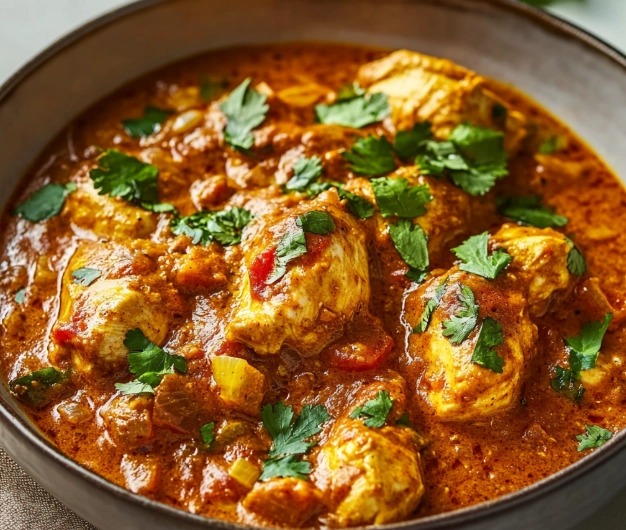
2. 30-Minute Creamy Cardamom Chicken (Butter Chicken's Cousin)
Think of the flavor of butter chicken, but lighter and faster. The cardamom here works with ginger and garlic to create a deeply aromatic base. Using tomato paste instead of cooking down fresh tomatoes saves 20 minutes.
How to build flavor fast: Sauté 1 diced onion. Add 1 tbsp grated ginger, 3 minced garlic cloves, and 8 lightly crushed green cardamom pods. Cook for 1 minute until fragrant. Add 2 tbsp tomato paste and cook for another minute. Add 1 lb cubed chicken breast, 1 cup cream or coconut milk, and ½ cup water. Simmer for 15 minutes. Finish with a handful of chopped cilantro. Serve with rice. The pods will be in the sauce—just push them to the side of your plate as you eat.
3. Swedish Cardamom Buns (Kardemummabullar) - A Project Worth It
Yes, these require yeast and time. But if you've ever had one from a Scandinavian bakery, you know the obsession. The dough is lightly sweet and infused with cardamom, twisted around a buttery, spiced sugar center. They're best the day they're made, ideally slightly warm.
Common Pitfall: Rushing the rise. Cardamom can slightly slow yeast activity. Let the dough rise in a warm, draft-free spot until truly doubled in size, even if it takes longer than the recipe says. Patience here is non-negotiable for fluffy buns.
4. Soothing Cardamom & Ginger Tea (The Any-Time Chai)
You don't need a long list of spices for a satisfying cup. This is my weekday version: In a small pot, combine 2 cups water, 6 lightly crushed green cardamom pods, 5 thin slices of fresh ginger, and a black tea bag. Bring to a boil, simmer for 3 minutes. Add ½ cup milk and sweeten with honey to taste. Heat through and strain. It's digestive, warming, and far better than anything from a box.
5. Simple Cardamom Roasted Carrots
A side dish that steals the show. Toss whole carrots with olive oil, salt, and ½ tsp ground cardamom. Roast at 400°F (200°C) until tender and caramelized. The spice adds an unexpected, sophisticated note that pairs beautifully with the carrots' sweetness. Try it with roasted sweet potatoes or parsnips too.
How to Be a Cardamom Pro: Balancing the Flavor
Cardamom is potent. The line between "perfectly aromatic" and "tastes like perfume" is thin. Here’s how to walk it.
- Start Small: In a new recipe, begin with half the suggested amount. You can add more next time.
- Pairing is Key: Cardamom loves citrus (orange, lemon), stone fruits (peach, apricot), chocolate, coffee, ginger, cinnamon, and cloves. In savory dishes, it complements chicken, lamb, lentils, and rice beautifully.
- The Sweet-Savory Bridge: This is its superpower. A pinch of ground cardamom in a beef or lentil stew adds a mysterious depth that people can't place. Similarly, a single crushed pod in the rice cooker makes plain rice extraordinary.
I learned the hard way that adding cardamom to a delicate white fish sauce was a mistake—it completely overpowered it. It's better with richer proteins or vegetables.
Your Cardamom Questions, Answered
My cardamom pods are rock hard and dried out. Can I still use them?
Probably, but the flavor will be diminished. Try crushing one. If the seeds inside are brittle and dark brown (not black) and have little aroma, they're past their prime. For a quick test, steep one crushed pod in hot water for a few minutes. If the water doesn't smell distinctly of cardamom, it's time for a new batch. This is why buying from a store with high turnover is crucial.
I only have cardamom powder. How do I adjust the recipes that call for pods?
The conversion is tricky because powder is more concentrated and you're getting all the spice at once. As a general rule, 1 whole pod yields about ⅛ to ¼ tsp of ground seeds. So, for a recipe calling for 8 crushed pods (often used for steeping), you might use ½ to 1 tsp of powder, but add it in stages and taste. For baking recipes specifying "1 tsp ground cardamom," you can use your powder directly, but be aware it may lack the top notes of fresh grinding.
Can I use cardamom in my morning coffee?
Absolutely, and it's fantastic. Add a pinch of ground cardamom to your coffee grounds before brewing (a drip machine or French press works well). Or, for a Turkish-style coffee, add a small pinch of very fine powder to the pot with the coffee and sugar. It cuts bitterness and adds a wonderful aroma. Start with a very small amount—it's stronger than you think.
What's the best way to store cardamom long-term?
Whole pods are your best bet for longevity. Transfer them to an airtight glass jar (a mason jar is perfect). Keep the jar in a cool, dark cupboard, away from the stove or any heat source. Do not store them in the plastic bag they often come in. Properly stored, high-quality pods can retain good flavor for well over a year. I keep mine in a dedicated spice drawer.