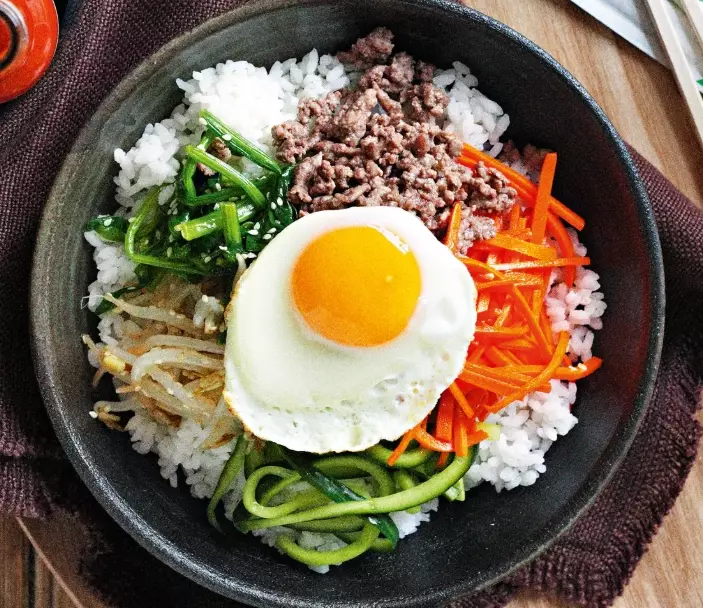
Let's be honest. You've probably seen pictures of bibimbap – that stunning Korean bowl of rice topped with a rainbow of vegetables, meat, and a fried egg, all brought together with a spicy red sauce. It looks incredible, but also kind of intimidating to make. Is it just a fancy salad on rice? Do you need a special stone pot? Can you even find half those ingredients?
I've been making bibimbap at home for years, ever since my first attempt ended in a soggy, bland mess. I learned the hard way that the magic isn't just in the assembly; it's in the prep. This guide isn't about a rigid, chef-level recipe. It's about understanding the logic behind bibimbap so you can make a fantastic version with what you have, whether you're in Seoul or Seattle.
What's Inside This Bibimbap Guide?
What is Bibimbap? A Deconstructed Masterpiece
Bibimbap (비빔밥) literally means "mixed rice." But that's like calling a symphony "mixed sounds." It's a harmonious, balanced meal in a bowl. Think of it as a culinary ecosystem. Each component is prepared separately to highlight its unique texture and flavor – the crunch of bean sprouts, the earthy give of spinach, the savory bite of beef. They're arranged neatly over warm rice, not tossed together. The mixing happens at the table, right before you eat, with a generous dollop of gochujang (Korean red chili paste) sauce.
This separate prep is the key. It prevents flavors from muddying and textures from going limp. It's also what makes bibimbap a genius meal prep dish. You can cook the vegetables and meat ahead of time, store them in separate containers in the fridge, and assemble a fresh bowl in minutes all week.
The history is practical, too. According to sources like the Wikipedia entry on Bibimbap, it's often linked to lunar new year eve traditions, where leftover side dishes were mixed with rice to clear out the fridge for the new year. A humble origin for a now-iconic dish.
The Bibimbap Pantry: Essential Ingredients & Smart Swaps
You don't need every single item listed in a restaurant menu. A great home bibimbap is about balance and what's available. Here’s a breakdown.
- Short-Grain Rice: Sushi rice or "Korean" rice. It's stickier and chewier than long-grain, which is crucial for holding the mix together. Don't use jasmine or basmati here.
- Gochujang (고추장): The soul of the sauce. This fermented chili paste is sweet, spicy, and umami-rich. Find it in Asian grocery stores or online. There's no true substitute, but a mix of miso and sriracha can be a distant cousin in a pinch.
- Sesame Oil & Toasted Sesame Seeds: For seasoning the vegetables. The nutty aroma is essential.
- Garlic: Lots of it. Minced fine.
- Eggs: One per bowl, sunny-side up or over-easy. The runny yolk becomes part of the sauce.
The Vegetable Lineup (Choose 4-5)
This is where you get creative. The goal is different colors, textures, and cooking methods. Here’s a practical table to guide your prep:
| Vegetable | Preparation Method | Key Seasoning (per 1 cup cooked) | Pro Tip |
|---|---|---|---|
| Spinach (sigeumchi) | Blanch in boiling water for 30 sec, rinse in cold water, squeeze dry. | 1/2 tsp minced garlic, 1 tsp sesame oil, 1/2 tsp soy sauce, pinch of salt. | Squeezing out ALL the water is critical. A damp spinach makes the whole bowl wet. |
| Bean Sprouts (kongnamul) | Boil for 2-3 minutes until slightly translucent but still crunchy. | Same as spinach: garlic, sesame oil, soy sauce, salt. | Don't overcook. They should retain a distinct snap. |
| Carrots (julienned) | Stir-fry in a tiny bit of oil for 1-2 minutes until slightly soft. | A tiny pinch of salt only. | Keep them moving in the pan. You want them tender-crisp, not mushy. |
| Zucchini (julienned) | Stir-fry in oil for 2-3 minutes until edges soften. | Pinch of salt, pinch of black pepper. | Salt them after they hit the pan to draw out moisture quickly. |
| Shiitake Mushrooms (sliced) | Stir-fry in oil until browned and tender. | 1 tsp soy sauce, 1/2 tsp sugar. | Use dried shiitakes soaked in water for deeper flavor. Save the soaking liquid for soup. |
| Bracken Fern (gosari) - Optional | Rehydrate if dried, then boil/stir-fry until tender. | Soy sauce, garlic, sesame oil. | Adds a unique, earthy flavor and chewy texture. Find it in Korean grocery stores. |
The Protein: Beef, Chicken, or Tofu
The classic is bulgogi-style beef: thin slices of ribeye or sirloin marinated in soy sauce, sugar, sesame oil, garlic, and pear juice. But here's a quick weeknight version: thinly slice 200g of beef, stir-fry it in a hot pan until browned, then add 1.5 tbsp soy sauce, 1 tbsp sugar, 1 tsp sesame oil, and 1 minced garlic clove. Cook until the sauce glazes the meat. Done in 5 minutes.
For a vegetarian bibimbap, use firm tofu. Press it, cube it, and pan-fry until golden. Season it the same way as the beef, or simply with a little salt and sesame oil.
How to Make Bibimbap: A Step-by-Step Guide
Don't look at the list of tasks and panic. It's all about sequencing. Do this, and you'll have a system.
1. Cook the Rice First. Get your rice in the cooker or pot. It needs time to rest after cooking.
2. Make the Gochujang Sauce. This takes 2 minutes and you can do it while the rice cooks. For 2 servings: Mix 2 tbsp gochujang, 1 tbsp sesame oil, 1 tbsp honey or sugar, 1 tbsp water, and 1 tsp toasted sesame seeds. Taste. Want it sweeter? Add more honey. Thinner? More water. This is your personal sauce, adjust it.
3. Prep and Cook All Vegetables. Wash, cut, and cook them one by one using the methods in the table above. Season each one individually as you go. This is the bulk of the work, but each component cooks fast. Have small bowls ready to hold each finished vegetable.
4. Cook the Protein. Do this last so it's warm when you assemble.
5. Fry the Eggs. Sunny-side up, with a runny yolk. Use a non-stick pan.
6. Assemble. Warm bowls are ideal. Put a serving of hot rice in the bottom. Neatly arrange piles of each vegetable and the protein around the perimeter of the rice. Place the fried egg in the center. Drizzle some sesame oil around the edges of the rice. Serve immediately with the gochujang sauce on the side.
The first time I followed this sequence, it clicked. The kitchen wasn't a disaster, and I had a beautiful bowl in front of me in under an hour, with leftovers prepped for tomorrow.
The 3 Most Common Bibimbap Mistakes (And How to Avoid Them)
I've made these. My friends have made these. Let's skip them.
Fix: Ensure all cooked vegetables are properly drained and cooled. Assemble just before eating. The sesame oil drizzled on the rice creates a bit of a barrier.
Mistake #2: The One-Flavor-Fits-All Seasoning. Tossing all the veggies in the same soy sauce mix. You lose the distinct character of each ingredient. Spinach should taste like savory sesame spinach. Carrots should taste like sweet carrot. Mushrooms should be deeply umami.
Fix: Season each component separately, as outlined in the table. It takes an extra 30 seconds per bowl but makes a world of difference.
Mistake #3: Underestimating the Sauce. Using plain gochujang straight from the jar. It's too thick and intense on its own.
Fix: Always make the simple sauce blend above. The sesame oil and sweetener mellow it out and make it mixable. This is non-negotiable for a good home experience.
Beyond the Basics: Dolsot Bibimbap & Variations
If you love the crispy rice at the bottom of a paella or Persian tahdig, you need to try dolsot bibimbap. Dolsot means "stone pot." It's preheated until screaming hot, then oiled and filled with rice. The rice sizzles and forms an incredible, crunchy crust called nurungji.
You can mimic this at home without special equipment. Use a small cast-iron skillet or a heavy-bottomed pot. Heat it on the stove with a tablespoon of oil until it shimmers. Add cooked rice, pressing it down. Let it cook on medium heat for 3-5 minutes until you hear a steady sizzle. Then quickly arrange your toppings on top. The rice will stay crispy as you eat. It's a game-changer.
Other variations?
Jeonju Bibimbap: The most famous regional style, known for using raw beef tartare and a richer bean sprout broth.
Yukhoe Bibimbap: Features seasoned raw beef (similar to steak tartare).
Haemul Bibimbap: Seafood version with squid, shrimp, and clams.
Start with the basic bowl. Master it. Then explore.
Your Bibimbap Questions, Answered
My bibimbap rice always gets soggy. What am I doing wrong?
I can't find gochujang. Is there any real substitute?
Can I make bibimbap ahead of time for meal prep?
What's the secret to that restaurant-quality glossy, flavorful beef?
Is bibimbap actually healthy?
So there you have it. Bibimbap isn't a mystery. It's a method. A forgiving, adaptable method for turning a bunch of simple ingredients into a meal that's way more than the sum of its parts. Don't stress about perfection. Get your rice cooking, chop a few veggies you like, and start mixing. The first bite—when the warm rice, cool veggies, savory meat, and spicy-sweet sauce all come together—is worth every minute of prep.