Elderberries are having a moment, and for good reason. Those tiny, dark purple berries pack a serious nutritional punch and have been used in folk medicine for centuries. But once you've foraged or bought a basket of them, the real question hits: what do you actually do with elderberries? You can't just pop them raw—they need a little love. This guide cuts through the hype and gives you the real, usable recipes and techniques I've honed over years of working with this seasonal fruit. We're going beyond the basic syrup to explore jams, shrubs, and even savory applications that most blogs don't mention.
What's Inside This Guide
The Non-Negotiable Safety Step
Let's get this out of the way first. Raw elderberries, along with the leaves, stems, and unripe green berries, contain compounds that can cause nausea. It's not usually severe, but it's unpleasant and entirely avoidable. You must cook elderberries. Heat neutralizes those compounds. I see people online asking if they can just blend them into a smoothie. Please don't. A quick simmer is the minimum.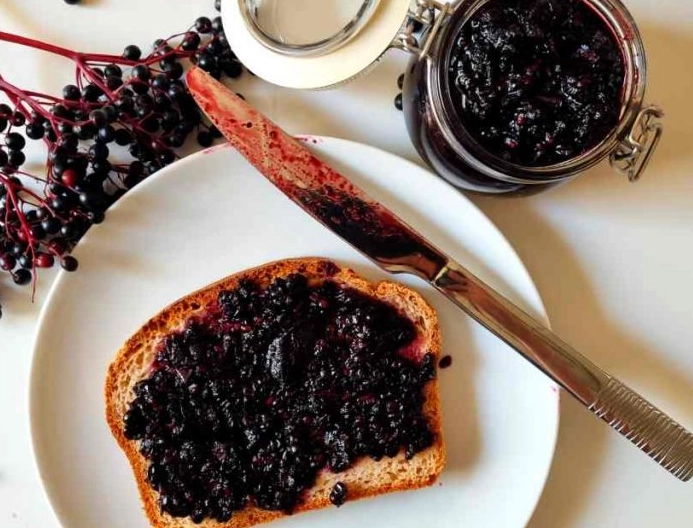
Once you've got your safe, ripe berries (deep purple-black, hanging in umbrella-like clusters), strip them from the stems. A fork works wonders for this. Give them a good rinse. Now you're ready to cook.
How to Make Elderberry Syrup at Home
This is the gateway recipe. Homemade elderberry syrup is infinitely better than most store-bought versions, which can be mostly sugar and water. You control the ingredients and the potency.
My Go-To Immune Syrup Formula
Ingredients:
- 1 cup fresh elderberries (or 1/2 cup dried)
- 3 cups water
- 1 cup raw honey (local if possible)
- 1-inch piece of fresh ginger, sliced
- 2-3 cinnamon sticks
- 5-6 whole cloves
- Zest of one orange (optional, but adds a bright note)
Method: Combine berries, water, ginger, cinnamon, cloves, and orange zest in a saucepan. Bring to a boil, then reduce heat and simmer uncovered for 45 minutes to an hour. You want the liquid reduced by about half. The kitchen will smell incredible.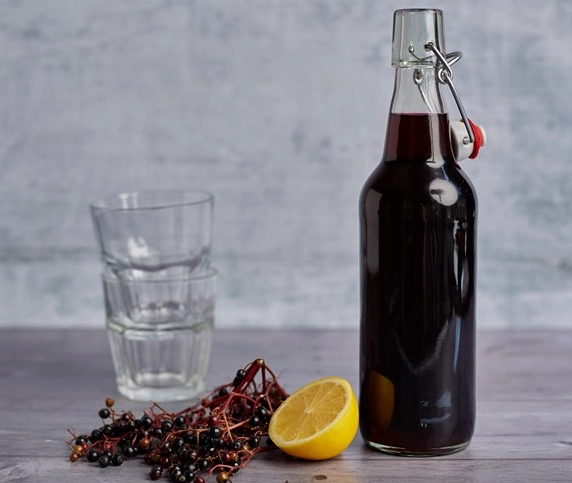
Mash the berries gently with a potato masher. Let it cool until just warm. Strain through a fine-mesh sieve or cheesecloth into a bowl—press on the solids to get all the good juice. Discard the pulp and spices.
Stir in the honey until fully dissolved. This is crucial: never add honey to boiling liquid, as heat destroys its beneficial enzymes. Pour the finished syrup into a clean glass jar. It keeps in the fridge for 2-3 months.
The mistake I made for years was simmering too hard and too long, trying to get a "stronger" syrup. It just made it bitter and less vibrant. A gentle, patient simmer extracts the flavor without the tannins.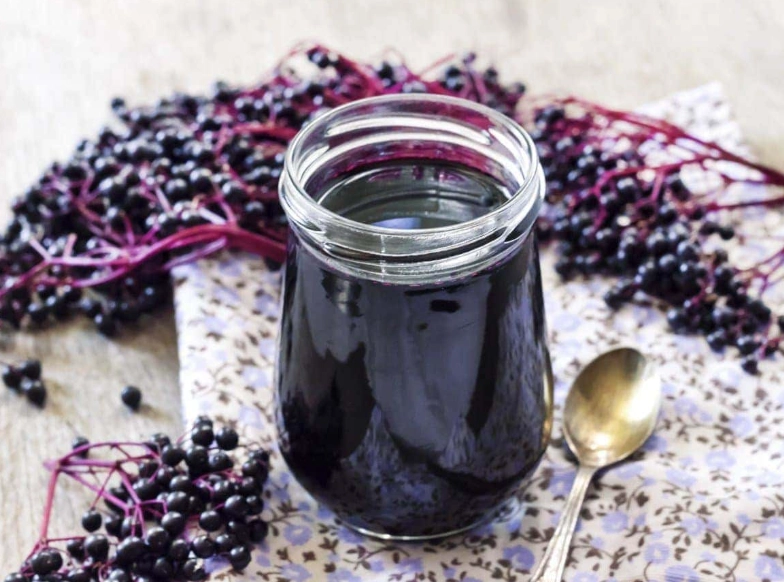
Crafting Simple Elderberry Jam
Elderberry jam is a revelation. It's deep, complex, and less sweet than you might expect. It pairs shockingly well with sharp cheese and roasted meats, not just toast.
Elderberries are low in natural pectin, so you need a helper. I prefer using apples. A grated Granny Smith apple adds pectin, a touch of tartness, and body without altering the flavor much. Some recipes call for commercial pectin, but I find the texture with apple is more natural.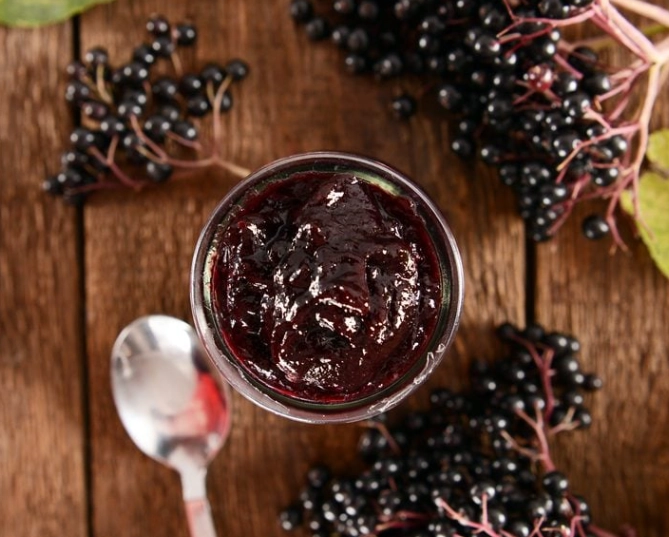
Elderberry & Apple Jam (Makes about 3 jars):
- 4 cups prepared elderberries (cooked and strained, pulp discarded—you want just the juice/puree)
- 1 large Granny Smith apple, grated (skin on for pectin)
- 3 cups sugar
- Juice of 1 lemon
Combine the elderberry puree, grated apple (with its juices), and lemon juice in a large, wide pot. Bring to a boil. Add the sugar, stirring until dissolved. Then boil vigorously, stirring frequently to prevent sticking, for 15-25 minutes. Test for set by placing a small spoonful on a chilled plate. If it wrinkles when you push it, it's done.
Skim off any foam, then ladle into sterilized jars. Process in a boiling water bath for 10 minutes for shelf stability, or just let it cool and store in the fridge for immediate use.
It sets up into a gorgeous, spreadable purple-black jam with a flavor that's worth the effort.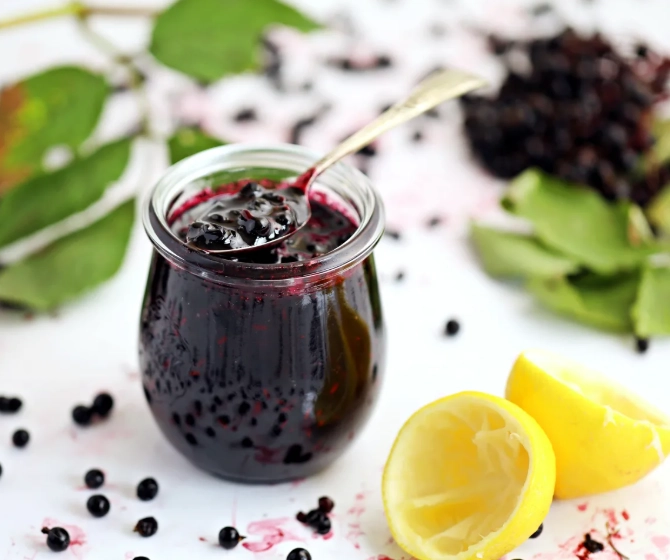
Beyond Syrup and Jam: Creative Recipes
Syrup and jam are classics, but your elderberry haul can do more. Here are two of my favorite under-the-radar uses.
Elderberry Shrub (Drinking Vinegar)
A shrub is a colonial-era probiotic drink made from fruit, sugar, and vinegar. It's tart, sweet, and refreshing mixed with sparkling water. It's also a brilliant way to preserve the flavor.
Combine 1 cup of cooked, strained elderberry juice with 1 cup of sugar in a jar. Shake until the sugar dissolves. Add 1 cup of good-quality apple cider vinegar. Cap it, shake again, and let it sit in a dark cupboard for a week, shaking daily. Strain into a clean bottle. It keeps for months in the fridge. Use a splash in soda water, cocktails, or even salad dressings.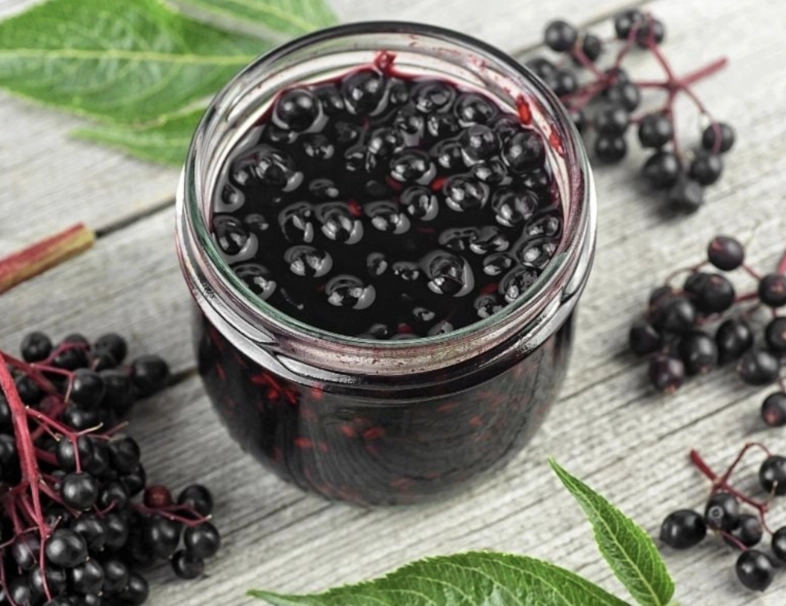
Savory Elderberry Glaze
This one surprises people. Reduce some of your basic elderberry syrup (without the heavy spices, maybe just ginger) in a pan until it's thickened slightly. Add a splash of balsamic vinegar and a pinch of black pepper. Brush it on roasted chicken, duck, or pork in the last 10 minutes of cooking. The sweet-tart depth is incredible.
Choosing Your Elderberry Adventure
Not sure where to start? This table breaks down the core recipes by effort, yield, and best use.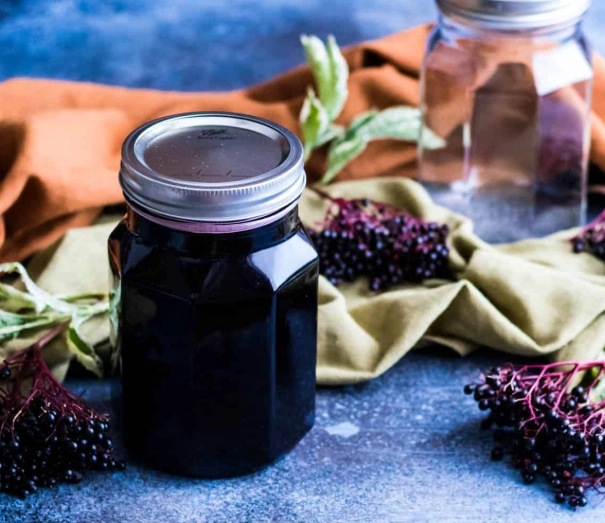
| Recipe | Active Time | Primary Use | Key Tip |
|---|---|---|---|
| Immune Syrup | ~1 hour | Wellness tonic, drizzle on pancakes/yogurt | Add honey off-heat to preserve benefits. |
| Simple Jam | ~1.5 hours | Spreading, cheese pairings, thumbprint cookies | Use a grated apple for natural pectin and better texture. |
| Drinking Shrub | 20 mins + 1 week infusing | Refreshing probiotic beverage, cocktail mixer | Use a high-quality, raw apple cider vinegar. |
| Savory Glaze | 10 minutes | Glaze for roasted meats (duck, pork, chicken) | Reduce the syrup until it coats the back of a spoon. |
Your Elderberry Questions, Answered
Can I use dried elderberries instead of fresh?
My elderberry syrup turned out too thick and sugary. What went wrong?
How can I make a sugar-free elderberry syrup?
I foraged a huge batch. Can I freeze elderberries to use later?
Is it safe to give homemade elderberry syrup to children?