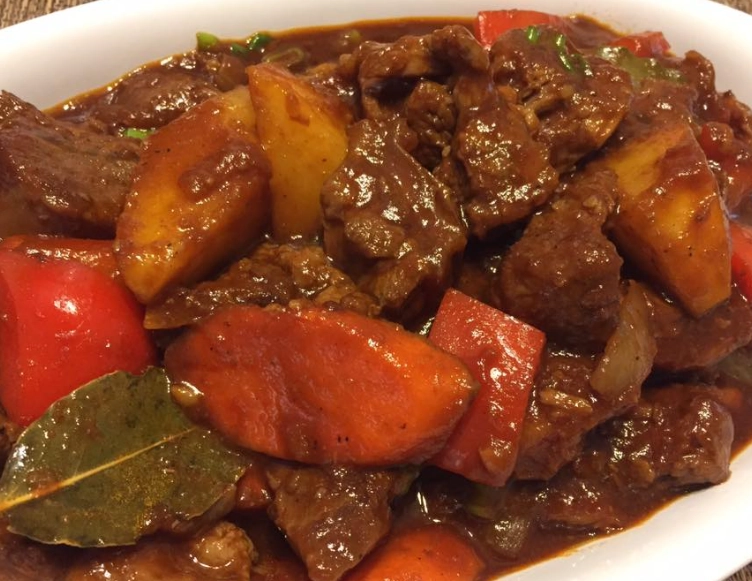
Let's be real. When you search for a Filipino beef recipe with rice, you're not just looking for instructions. You're after that deep, savory, slightly sweet, and utterly comforting flavor that defines so much of Filipino cooking. You want a meal that feels like a hug, something that simmers for hours and fills your kitchen with an incredible aroma. Nine times out of ten, the dish you're imagining is Beef Caldereta (or Kaldereta). It's the Filipino beef stew that stands shoulder-to-shoulder with Adobo and Sinigang in the national food hall of fame. This isn't a quick weeknight stir-fry; it's a weekend project, a celebration dish, and mastering it is worth every minute.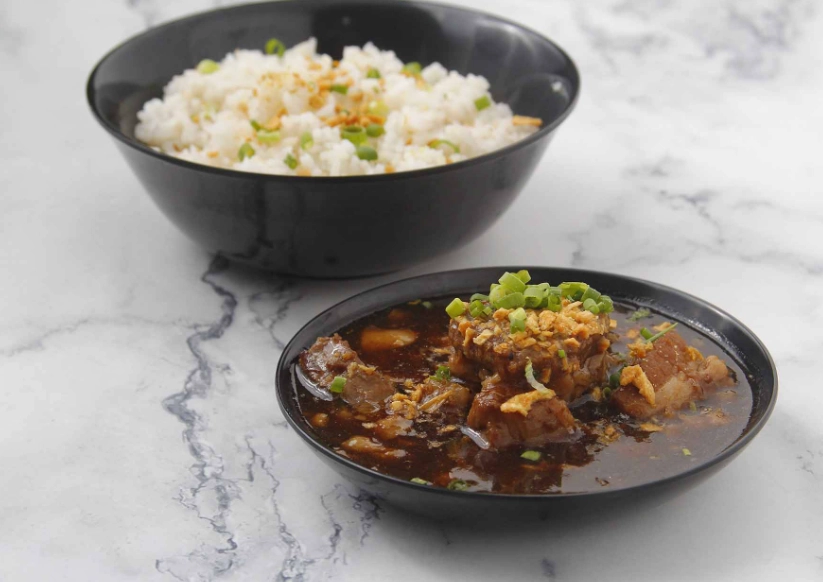
What's Cooking in This Guide?
What Makes Filipino Beef Stews Unique?
Filipino cuisine has a knack for balancing flavors—salty, sour, sweet, savory—often in the same pot. When it comes to beef stews like Caldereta, the approach is distinct from, say, a French boeuf bourguignon or an American beef stew.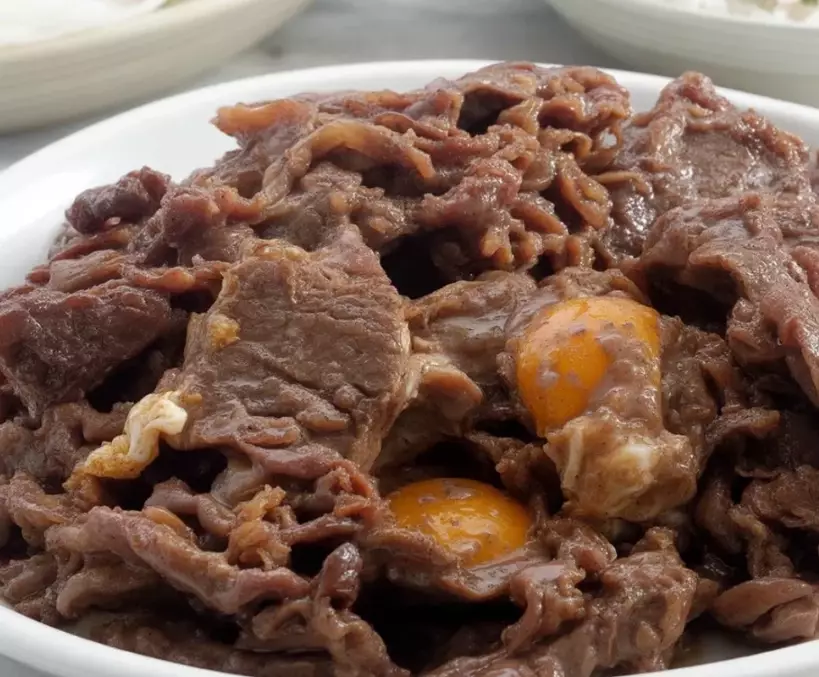
Here’s the thing most recipes gloss over: the foundation is often a tomato-based sauce, but it's never just tomatoes. There's almost always a fermented element providing umami depth. For Caldereta, that secret weapon is liver spread or liver pâté. I know, it sounds odd if you've never tried it. But trust me, it doesn't make the stew taste like liver; instead, it thickens the sauce and gives it a rich, rounded, almost nutty background flavor that tomato paste alone can't achieve. Skipping it is the number one reason homemade Caldereta can taste flat or one-dimensional.
The Flavor Profile Breakdown
Savory/Salty: Soy sauce (often light soy), fish sauce (patis), or just salt. Sweet: A touch of sugar, banana ketchup, or the natural sweetness of bell peppers and liver spread. Tangy: Tomato sauce, paste, or fresh tomatoes. Umami/Depth: Liver spread, fish sauce, and the long-cooked beef itself.
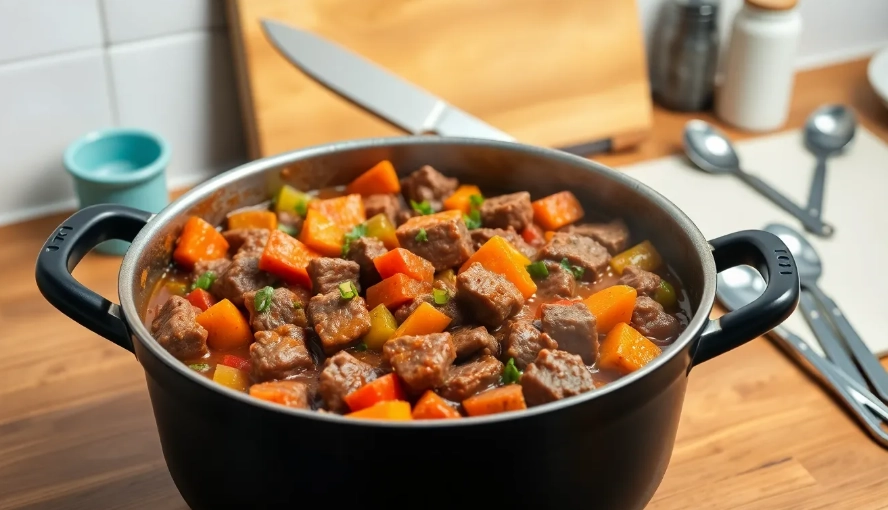
Another key difference? The vegetables. You'll typically find potatoes, carrots, and bell peppers (both red and green) added towards the end to keep their crunch and color. Some versions include olives and green peas, a legacy of Spanish influence. The meat is usually cut into larger, stewing chunks—chuck roast, brisket, or short ribs are ideal because they have enough connective tissue to become meltingly tender after a long, slow cook.
How to Make Authentic Beef Caldereta: Step-by-Step
This is my go-to method, refined after more than a few underwhelming batches. The main mistake people make? Rushing the browning and the simmer. Good Caldereta cannot be hurried.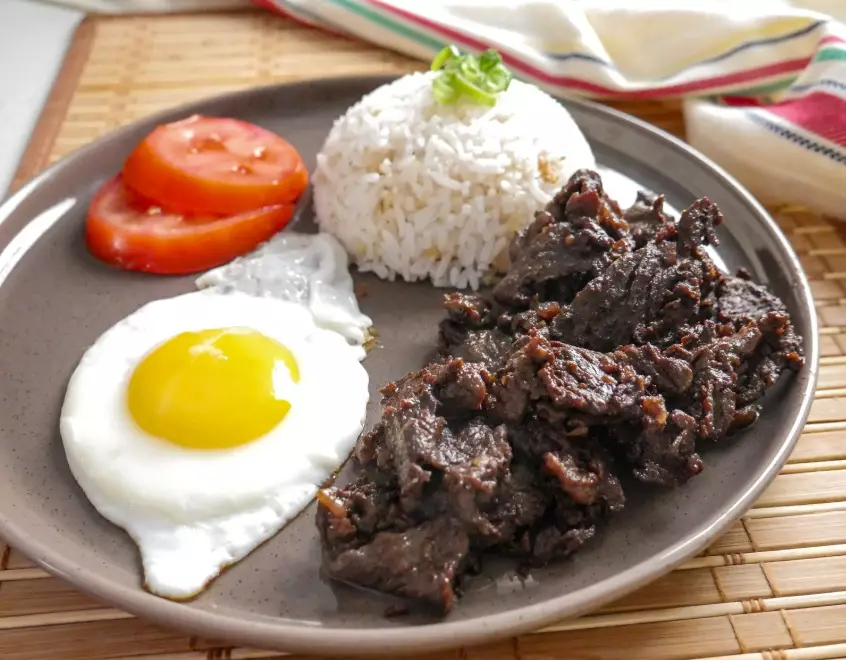
Gathering Your Ingredients
Here’s what you’ll need. Don't panic if you can't find banana ketchup—there's a workaround.
| Ingredient | Quantity | Purpose & Notes |
|---|---|---|
| Beef chuck roast | 2 lbs (about 1 kg) | Cut into 1.5-inch cubes. Fat = flavor and tenderness. |
| Garlic | 6-8 cloves, minced | The aromatic base. Don't skimp. |
| Onion | 1 large, chopped | Yellow or white. |
| Tomato sauce | 1 cup (240ml) | Plain, unseasoned. |
| Tomato paste | 2 tablespoons | For concentrated flavor. |
| Liver spread/pâté | 1/2 cup (about 120g) | **The key ingredient.** Reno or similar brand. |
| Banana ketchup | 1/4 cup (60ml) | Adds sweetness & color. Substitute: 2 tbsp tomato ketchup + 1 tbsp brown sugar. |
| Potatoes & Carrots | 2 each, large chunks | Peeled and cut slightly larger than beef cubes. |
| Bell peppers (red & green) | 1 each, sliced | For color and fresh sweetness. |
| Green olives (optional) | 1/4 cup | Pitted. Adds a briny touch. |
| Beef broth or water | 3-4 cups (720-950ml) | Enough to just cover the meat. |
| Bay leaves | 2 | For aroma. |
| Fish sauce (patis) or salt | To taste | Fish sauce adds a more authentic savory layer. |
| Peppercorns | 1 tsp, crushed | Freshly cracked is best. |
| Cooking oil | 2-3 tbsp | For sautéing. |
The Cooking Process: Patience is a Virtue
Step 1: Brown the Beef. Really Brown It.
Pat your beef cubes completely dry with paper towels. This is crucial for browning, not steaming. Heat oil in a heavy-bottomed pot (like a Dutch oven) over medium-high heat. Don't crowd the pot—brown the beef in batches. Get a good, dark sear on at least two sides of each piece. This fond (the browned bits at the bottom) is pure flavor. Remove the beef and set aside.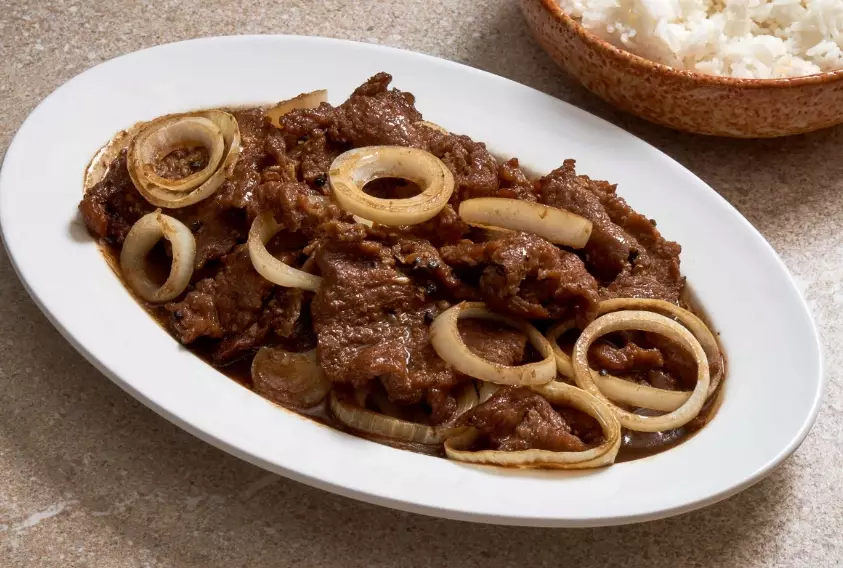
Step 2: Build the Flavor Base.
In the same pot, lower the heat to medium. Add the onions and cook until soft. Add the garlic and cook for another minute until fragrant—don't let it burn. Now, add the tomato paste and cook it for a full minute, stirring constantly. This "toasts" the paste and deepens its flavor.
Step 3: The Simmer.
Return the beef to the pot. Add the tomato sauce, banana ketchup (or substitute), bay leaves, peppercorns, and enough beef broth or water to just cover the meat. Bring to a boil, then immediately reduce the heat to the lowest possible setting. Cover and let it simmer gently for 1.5 to 2 hours. Check occasionally, adding a splash of water if it looks dry. The beef should be fork-tender but not falling apart completely.
Step 4: The Magic Touch – Liver Spread.
In a small bowl, thin out the liver spread with a few ladles of the hot stewing liquid. Mix until smooth. Stir this slurry back into the pot. This is when the sauce transforms—it thickens, darkens to a beautiful reddish-brown, and gains that signature richness.
Step 5: Add the Veggies.
Add the potatoes and carrots. Cover and simmer for another 15-20 minutes until they are just tender. Then, stir in the bell peppers and green olives (if using). Simmer uncovered for a final 5-7 minutes. The peppers should stay slightly crisp. Now is the time to season with fish sauce or salt. Taste and adjust—you might need a pinch of sugar if your tomatoes were very acidic.
Serve it hot over a mountain of steamed white rice. The rice is non-negotiable; it's the perfect vehicle for that incredible sauce.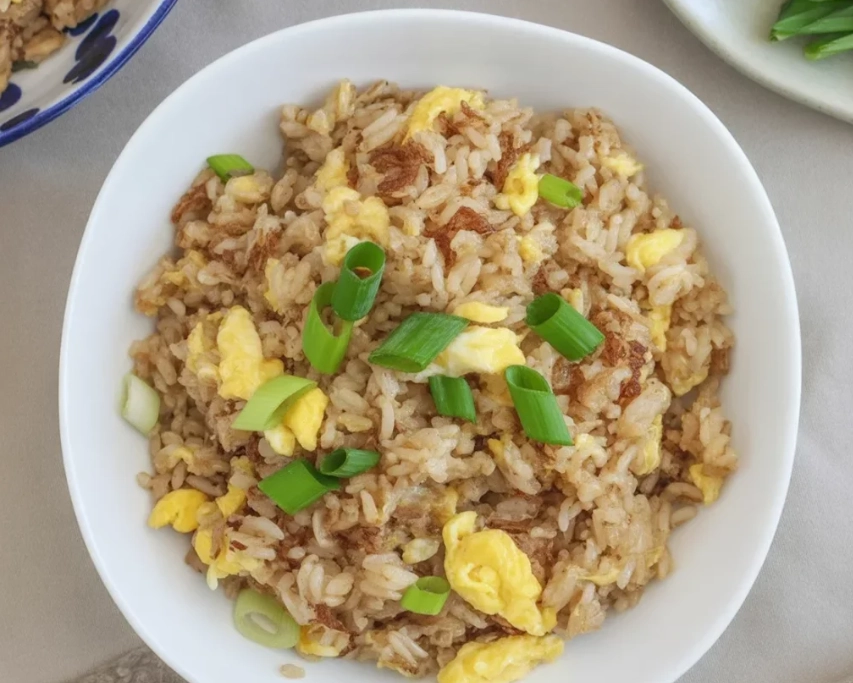
Variations and Substitutions: What Can You Swap?
Caldereta is forgiving. Here are some common twists:
- Meat: Goat meat (Kalderetang Kambing) is a classic and even more traditional version. Pork (Kalderetang Baboy) or chicken also work, but reduce the simmering time significantly.
- Spicy Caldereta: Add a few chopped fresh red chilies (siling labuyo) or a tablespoon of spicy banana ketchup when you add the tomato sauce.
- No Liver Spread? This is tricky. You can try substituting with an extra tablespoon of tomato paste and a teaspoon of peanut butter or tahini for some richness, but it won't be the same. If you have a Filipino or Asian grocery nearby, it's worth seeking out.
- Cheater's Slow Cooker/Instant Pot Method: After browning the meat and aromatics (do this in the Instant Pot using Sauté mode), throw everything except the potatoes, carrots, and bell peppers into the pot. For a slow cooker, cook on Low for 7-8 hours. For an Instant Pot, cook on High Pressure for 35-40 minutes, then natural release for 15 minutes. Then, add the hardy veggies, use Sauté mode to simmer until they're tender, then stir in the peppers and liver spread slurry to finish.
Your Filipino Beef Caldereta Questions Answered
 My caldereta sauce is too thin/watery. How do I fix it?
 How long does leftover beef caldereta keep, and can I freeze it?