Let's cut through the noise. A great Beef Mechado isn't about a secret ingredient you can't pronounce. It's about understanding the role of each component in your pot. Get the ingredients right, and you unlock that deep, savory-sweet, fall-apart tender stew that defines Filipino comfort food. Get them wrong, and you're just boiling beef in tomato sauce. I've made both versions, and the difference is night and day.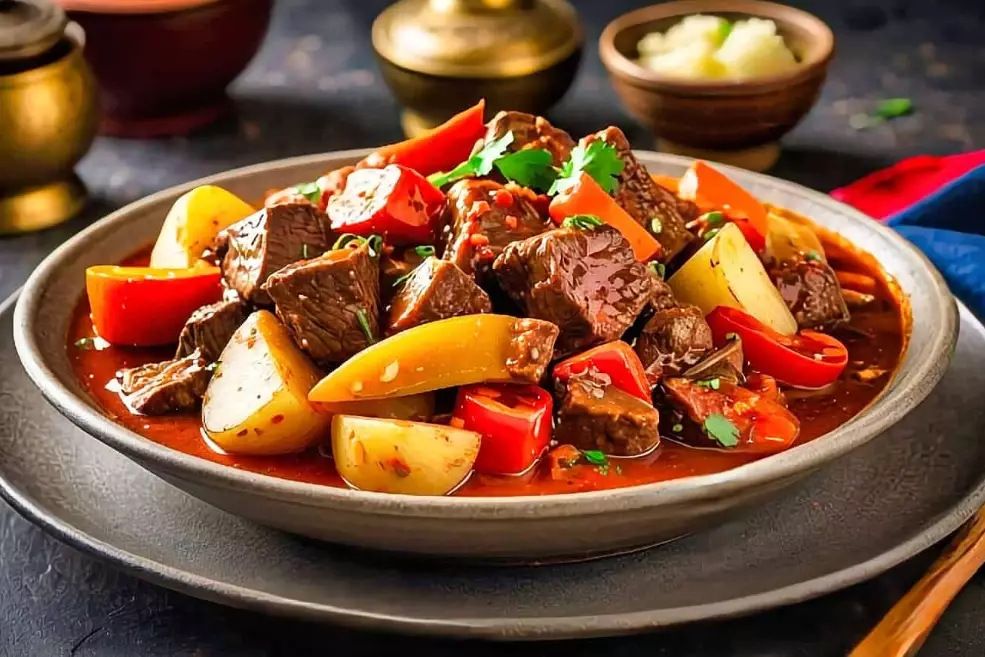
Your Quick Guide to Mechado Mastery
How to Choose the Right Beef Cut for Mechado?
This is where most home cooks trip up. You can't just grab any pack of beef from the supermarket shelf and expect magic. Mechado is a long, slow braise. The goal is to transform a tough, flavorful cut into something succulent.
The ideal beef cut has two things: connective tissue and intramuscular fat (marbling). As it cooks low and slow, that collagen melts into gelatin, giving the stew its luxurious body and making the meat incredibly tender. Lean cuts like sirloin or tenderloin? They'll just dry out and become chewy. A total waste of good meat and two hours of your time.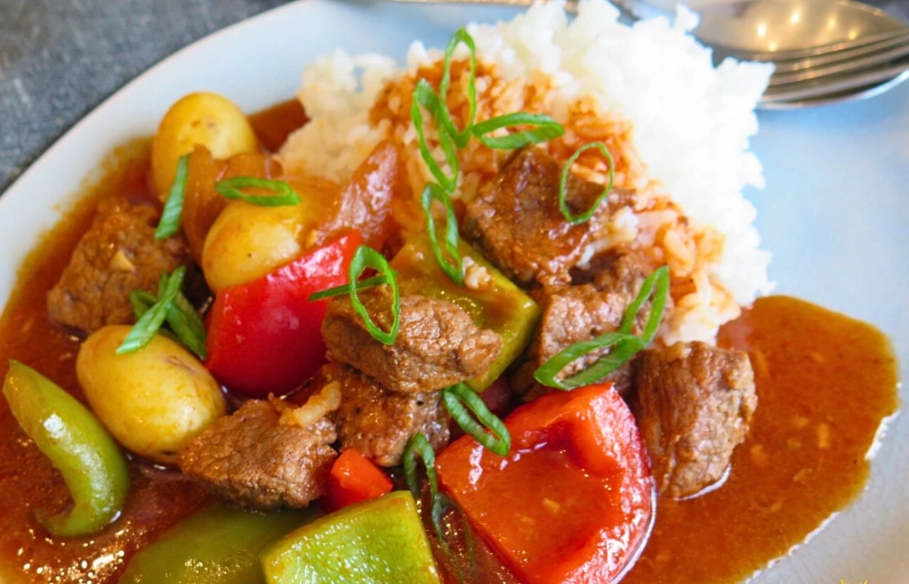
Here’s a breakdown of the best (and worst) choices:
| Beef Cut | Why It Works (or Doesn't) | Fat & Connective Tissue Level | My Personal Rating |
|---|---|---|---|
| Chuck Roast/Stew Meat | The undisputed champion. It's marbled, has great connective tissue, and shreds perfectly. This is what your Filipino titas (aunts) use. | High | 10/10. Always my first choice. |
| Brisket (point end) | Extremely flavorful and becomes super tender. Can be a bit fattier, which some love. Requires a longer cook time. | Very High | 9/10. Rich result, but trim some fat. |
| Short Ribs (bone-in or boneless) | Intense beef flavor. The bone adds depth. More expensive, but makes a special occasion mechado. | High | 8.5/10. Flavor bomb, but pricier. |
| Round Roast/Bottom Round | Leaner. It *can* work if sliced thinly against the grain and not overcooked, but it's riskier. | Low to Medium | 6/10. A backup option. Requires careful cooking. |
| Sirloin, Tenderloin, Strip Steak | Just don't. These are for quick, high-heat cooking. They'll turn tough and dry in a braise. | Low | 2/10. Please save these for another dish. |
What are the Essential Beef Mechado Ingredients?
Beyond the beef, every item in your shopping cart has a job. Think of them as a team.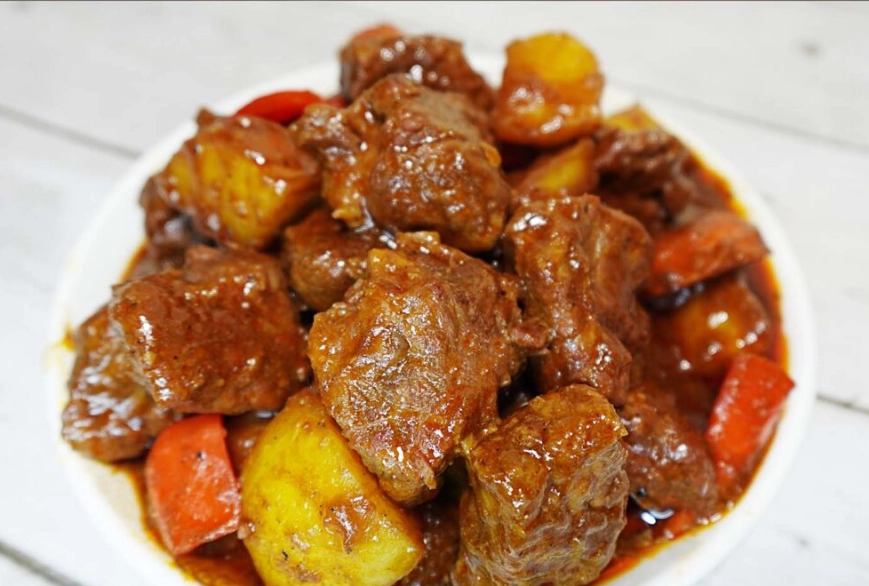
The Beef
We covered cuts. You'll need about 2 to 2.5 pounds (1 to 1.2 kg) for a standard pot. Cut into 1.5 to 2-inch cubes. Pat them bone-dry with paper towels before searing. Wet meat steams; dry meat browns. Browning equals flavor.
The Aromatics & Vegetables
- Onions & Garlic: The foundation. Use a whole large onion, chopped. Don't be shy with the garlic—6 to 8 cloves, minced. This isn't the time for garlic powder.
- Bell Peppers: Traditionally, a strip of red bell pepper is added for a subtle sweetness and color. Some modern versions add more. I like one whole pepper, sliced.
- Potatoes & Carrots: They soak up the glorious sauce. Use waxy potatoes like Yukon Gold or red potatoes—they hold their shape. Starchy russets can turn to mush. Cut them into chunks similar in size to the beef for even cooking.
The Liquid Foundation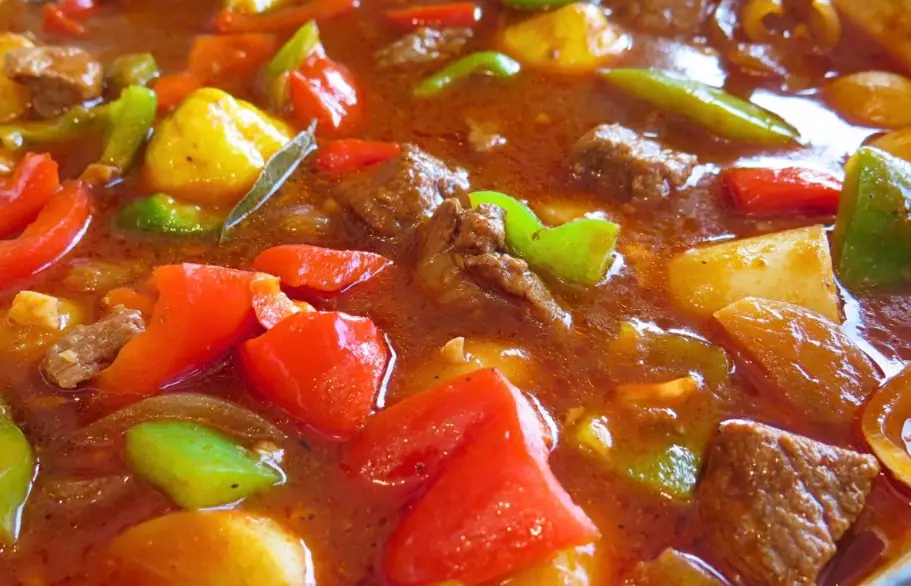
- Tomato Sauce: Not pasta sauce! Use plain, unseasoned tomato sauce (about 8 oz or 240ml). It provides acidity and body. Some use tomato paste diluted with water, but sauce gives a smoother base.
- Beef Broth/Water: Enough to barely cover the meat. Low-sodium beef broth is best for control. If using water, you'll need to be more aggressive with seasonings.
- Soy Sauce: This is the salty, umami backbone. Use regular soy sauce, not light or sweet. About 1/4 cup. It's what makes it distinctly Filipino, not Italian.
- Fish Sauce (Patis): The secret weapon. A tablespoon adds a deep, savory complexity that you can't pinpoint but would miss if it were gone. Don't worry, it won't taste fishy.
The Flavor Builders
- Bay Leaves (Laurel Leaves): Non-negotiable. 2-3 leaves. They impart a subtle, herbal fragrance.
- Whole Peppercorns: Cracked or whole. They infuse better than ground pepper.
- Liver Spread or Liverwurst (Optional but Classic): This is the old-school thickener and flavor enhancer. About 2 tablespoons mashed smooth. It makes the sauce richer and silkier. If the idea puts you off, you can skip it, but try it once.
- Calamansi or Lemon Juice: A final splash of acidity at the end to brighten everything up. Essential.
The Step-by-Step Mechado Method: Beyond the Ingredients
Having the right ingredients is 70% of the battle. The other 30% is technique. Here's where people get impatient and ruin good food.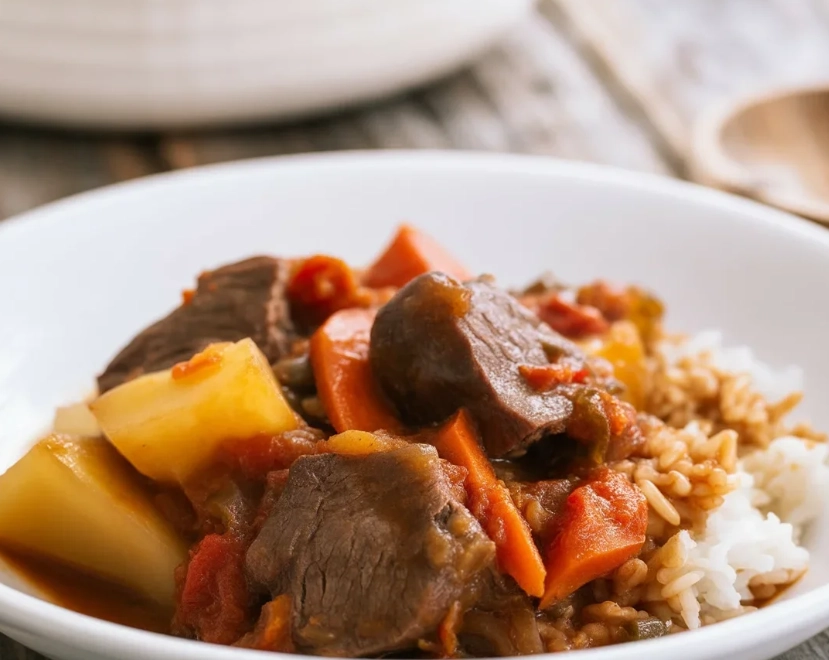
The Sear is Non-Negotiable
Don't crowd the pot. Sear the beef cubes in batches in hot oil until they have a dark brown crust on all sides. This Maillard reaction creates hundreds of flavor compounds. This step alone adds more depth than any extra ingredient. If you just throw everything in to boil, your mechado will taste flat.
The Simmer is Sacred
After adding your liquids and aromatics, bring it to a boil, then immediately reduce to the gentlest simmer. A bare bubble. Cover and walk away for at least 1.5 hours. Don't keep lifting the lid. This low, steady heat is what breaks down the connective tissue without toughening the muscle fibers.
Add the potatoes and carrots in the last 30-40 minutes. They just need to become tender, not disintegrate.
Common Mechado Ingredient Substitutions & Hacks
No bay leaves? Out of tomato sauce? Don't panic.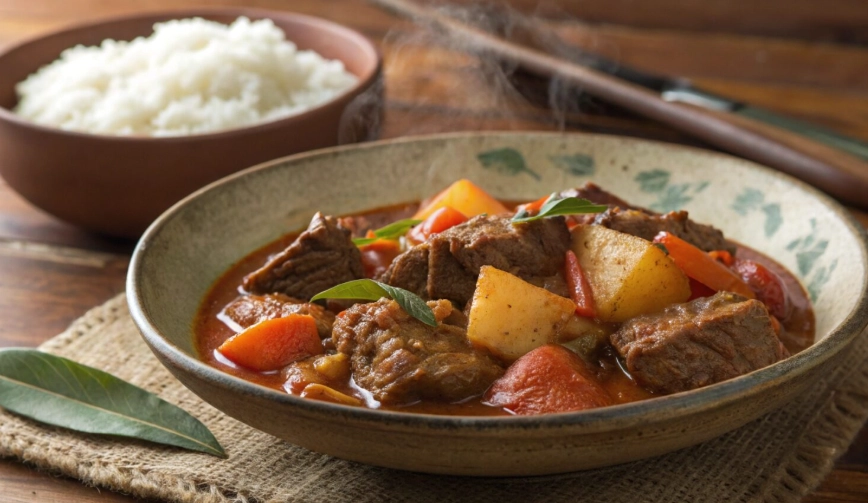
Tomato Sauce Substitute: Mix 3 tbsp tomato paste with 1 cup water. It'll be more concentrated, so add a pinch of sugar to balance the acidity.
Soy Sauce Substitute: In a pinch, use 3 tbsp of Worcestershire sauce mixed with 1 tbsp of salt. The flavor profile shifts, but it works.
No Liver Spread: Mash 2-3 tablespoons of cooked chicken or duck liver. If that's not available, a teaspoon of peanut butter sounds weird but adds a similar earthy richness and helps thicken the sauce. Or, simply make a slurry with 1 tbsp cornstarch and 2 tbsp water, add at the end to thicken.
For a Tenderizer Hack: If you're worried about your beef cut, marinate the cubes in 1/4 cup of pineapple juice (or even a splash of soda like 7-Up) with the soy sauce for 30 minutes before cooking. The enzymes/acids help break down fibers.
Troubleshooting Your Beef Mechado
Things don't always go perfectly. Here's how to fix common issues.
Sauce is too thin: Uncover the pot for the last 15-20 minutes of cooking and increase the heat slightly to reduce and concentrate the sauce. You can also use the cornstarch slurry mentioned above.
Sauce is too salty: Add more peeled, raw potato chunks. Simmer for 15-20 minutes; the potatoes will absorb some salt. Remove them before serving if they become too salty. Alternatively, add a bit more water and a teaspoon of sugar.
Beef is still tough: It hasn't cooked long enough. Keep simmering on low heat. Check every 20 minutes. It might need an extra 30-60 minutes depending on the cut. Ensure there's enough liquid so it doesn't burn.
Vegetables are mushy: You added them too early. Next time, add them in the final stretch. For now, there's no fix—embrace the mush or pick them out.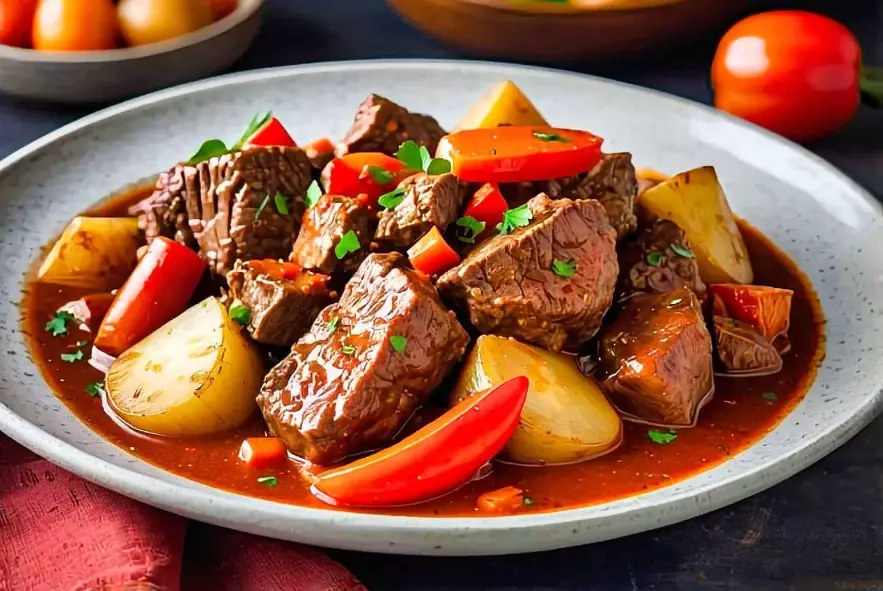
Questions You're Too Embarrassed to Ask (But Everyone Wonders)
My beef mechado is tough. What went wrong?
Nine times out of ten, it's the cut of beef. You likely used something too lean like round or sirloin. The other culprit is cooking at too high a temperature (a rolling boil instead of a gentle simmer). Tough meat needs more time on a low simmer, not more heat.
Can I make beef mechado in a slow cooker or Instant Pot?
Absolutely. For a slow cooker, sear the beef first on the stove (crucial for flavor), then transfer everything except the potatoes and carrots to the cooker. Cook on LOW for 7-8 hours or HIGH for 4-5. Add veggies in the last 2 hours on LOW/1 hour on HIGH. For an Instant Pot, use the "Sauté" function to sear, then add everything (including potatoes and carrots). Pressure cook on High for 35-40 minutes, with a full natural pressure release. The meat will be very tender.
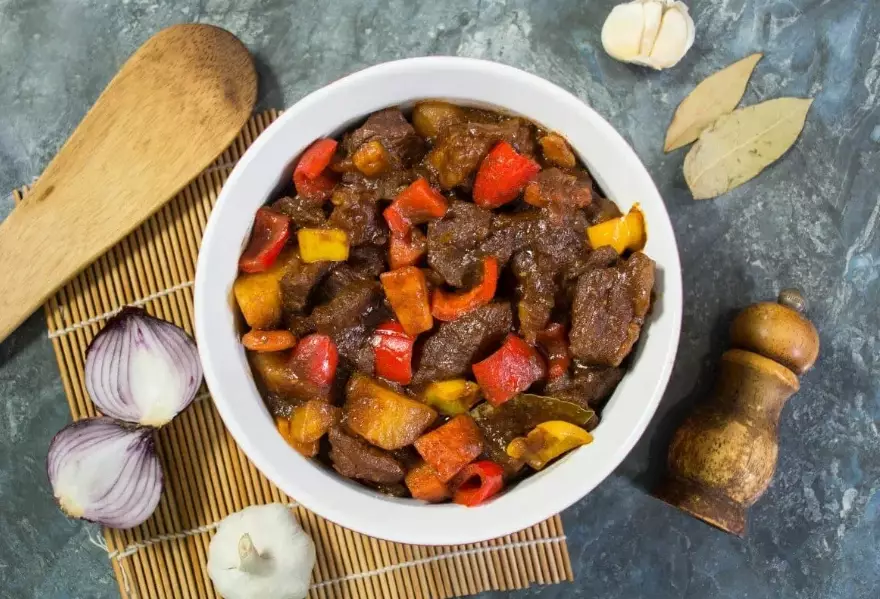 Is there a way to make mechado less oily?
Yes, and it's simple. After cooking, let the pot sit for 10 minutes. The oil (from the beef fat and cooking oil) will rise to the top. Use a spoon to skim it off. You can also refrigerate the whole pot overnight; the fat will solidify into a white layer on top that you can easily lift off before reheating. This also makes the flavors meld better.
What's the real difference between Mechado, Caldereta, and Afritada?
This confuses everyone. Mechado is defined by the tomato-soy sauce base, bell peppers, potatoes, and carrots. Caldereta often uses tomato sauce and liver spread too, but includes chili peppers (for heat) and frequently has liver pieces, peas, and sometimes cheese or olives. Afritada is lighter, often using chicken or pork, with a tomato-based sauce but no soy sauce, and includes potatoes, carrots, and bell peppers. The lines blur in home kitchens, but the soy sauce is the key mechado marker.
Where can I find authentic Filipino ingredients like liver spread or patis?
Any well-stocked Asian supermarket will have them. Brands like Reno for liver spread and Tiparos or Datu Puti for fish sauce (patis) are common. If you don't have an Asian market nearby, you can order them online from retailers like Amazon or specialty Filipino food websites. For the beef cut, a standard American grocery store with a good butcher counter is fine—just ask for chuck roast.