If you've ever been to the Philippines, the call of "Tahoooo!" echoing through morning streets is as iconic as jeepneys and roosters. It's more than a snack; it's a warm, sweet memory in a cup. Most recipes online tell you to buy silken tofu and pour syrup on it. That works, sort of. But if you want the real deal—the wobbly, custardy texture and deep caramel flavor of the street vendor version—you need to go deeper. I learned this the hard way after my first homemade taho turned into a bland, watery mess. After years of trial, error, and chatting with local magtataho (taho vendors) in Quezon City, I've nailed the process. This guide isn't just a recipe; it's your blueprint for authentic Filipino taho, starting from the most critical step most blogs skip.
What's Inside This Taho Guide
What Exactly is Taho?
Let's clear something up. Taho isn't just "tofu with syrup." That's like calling a croissant "bread with butter." The magic is in the specific texture of the tofu and the composition of the syrup. Authentic taho uses extra soft, freshly made silken tofu (tokwa), which is dramatically different in mouthfeel from the packaged silken tofu you find in supermarkets, even the Japanese or Korean kinds. The syrup, called arnibal, is a cooked mixture of brown sugar and water, often with a hint of vanilla, reduced to a coating consistency—not just dissolved sugar. The final component is sago (tapioca pearls), which add a chewy contrast. The balance is everything: warm, barely-set tofu, lukewarm syrup, and room-temperature pearls. Get one element wrong, and the experience falls flat.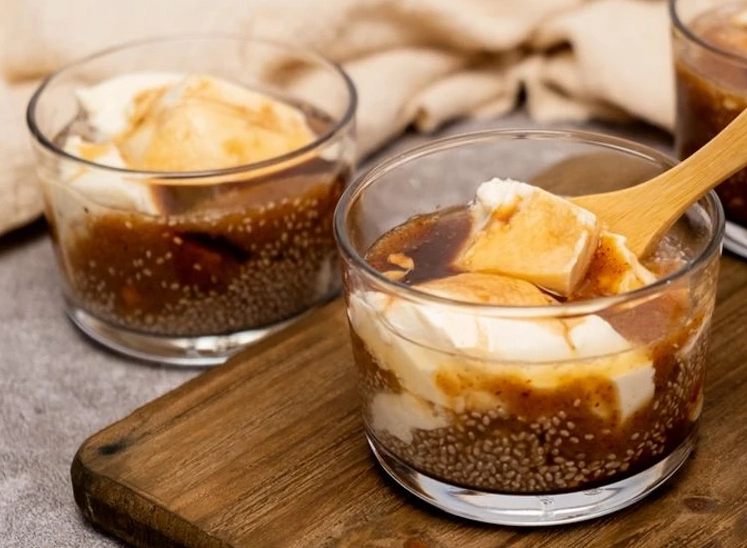
The Three Pillars: Ingredients Breakdown
Quality here is non-negotiable. Using the wrong type of soy milk or sugar will give you a completely different product.
| Ingredient | What to Look For & Why It Matters | Where to Find It |
|---|---|---|
| Soy Milk | Unsweetened and unflavored. This is the biggest make-or-break. Most commercial soy milk has additives (gums, oils, sweeteners) that interfere with coagulation. For best results, make your own from dried soybeans (I'll show you how) or find a brand with only soybeans and water on the label. I've had success with simple, refrigerated brands often sold in Asian groceries. | Asian supermarkets, health food stores, or make it yourself. |
| Coagulant | Food-grade gypsum (calcium sulfate) or nigari (magnesium chloride). Gypsum is traditional and yields a smoother, more tender curd perfect for taho. Nigari gives a slightly firmer texture with a hint of bitterness. Do not use lemon juice or vinegar—they will make the tofu crumbly and sour. | Online (Amazon), well-stocked Asian grocery stores, or specialty baking suppliers. |
| Brown Sugar | Dark brown sugar or Philippine muscovado sugar. The deep molasses flavor is essential for authentic arnibal. Light brown sugar will make a syrup that's too mild and sweet. Muscovado is the gold standard, offering a complex, almost smoky sweetness. | Supermarkets (dark brown sugar) or Filipino/Asian stores for muscovado. |
| Tapioca Pearls (Sago) | Small, white tapioca pearls. Not the large boba ones. They should be cooked until completely translucent with a soft, chewy center. | Any Asian grocery store, often in the baking or dried goods aisle. |
Personal Note on Soy Milk: I once tried using a popular shelf-stable soy milk to save time. The tofu never set properly—it remained a thick slurry. The vendor I spoke to later laughed and said, "Those have too many secrets inside." He was right. The stabilizers prevented proper curd formation. Pure ingredients matter.
Step-by-Step Taho Recipe
Part 1: Making the Silken Tofu from Scratch
This is the heart of authentic taho. Don't be intimidated; it's a gentle process.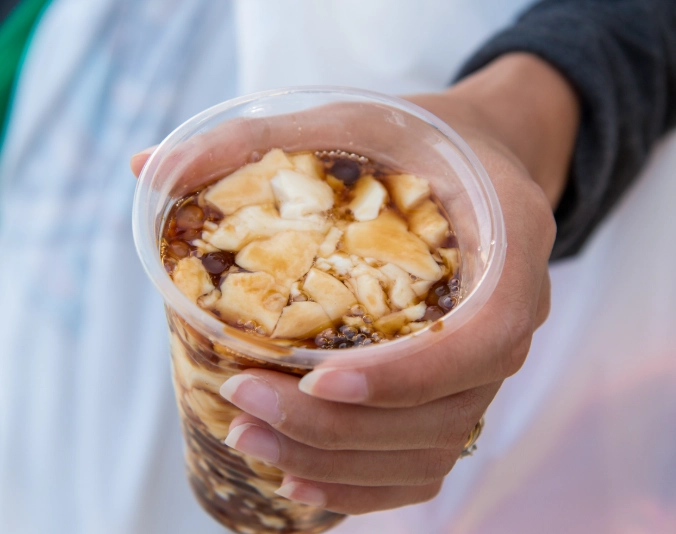
1. Prepare the Soy Milk (if making from beans): Soak 1 cup of dried soybeans overnight. Drain, blend with 8 cups of fresh water until smooth. Strain through a nut milk bag or fine cloth. Cook the fresh soy milk in a large pot, stirring constantly to avoid scorching, for about 10 minutes after it boils. Let it cool to about 75-80°C (167-176°F). This is the ideal coagulation temperature. If using store-bought, gently heat it to this same temperature.
2. Coagulate: Dissolve 2 teaspoons of food-grade gypsum powder in 1/4 cup of warm water in your chosen container (a deep, heatproof dish or individual cups). Give the soy milk a final gentle stir, then in one steady motion, pour it from a height of about 30cm (1 foot) into the container with the gypsum solution. Do not stir again. Cover with a lid or cloth and let it sit undisturbed for 25-30 minutes. The high pour helps mix the coagulant evenly without manual stirring, which can break the forming curds.
3. The Wait: After 30 minutes, you should see a clear separation of whey (yellowish liquid) and a solid, wobbly curd. If it's still milky, let it sit longer. Gently ladle out the whey if there's a lot, but be careful not to press on the curd.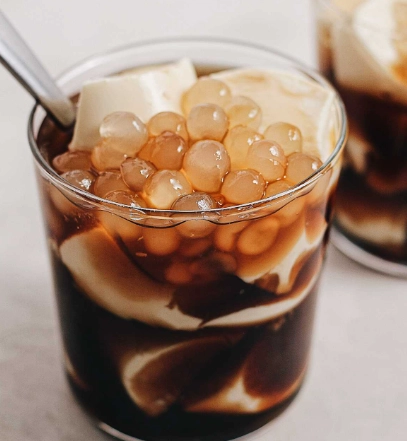
Part 2: Crafting the Arnibal (Syrup) & Sago
Arnibal: In a saucepan, combine 1 cup of dark brown sugar or muscovado sugar with 3/4 cup of water. Add a pinch of salt and a vanilla bean pod (or 1/2 tsp vanilla extract) if you like. Heat over medium, stirring until the sugar dissolves. Once dissolved, stop stirring and let it simmer for 5-7 minutes until it thickens slightly to a light syrup consistency. It will thicken more as it cools. Let it cool until just warm.
Sago: Cook small tapioca pearls according to package directions (usually boiling for 15-20 minutes until translucent, then resting covered for another 15). Rinse under cold water to stop cooking and drain. Toss with a teaspoon of sugar to prevent sticking.
Part 3: Assembly & Serving
Using a large, shallow spoon, gently scoop the silken tofu into serving bowls or glasses. The goal is to keep its delicate structure. Top with a spoonful of sago. Finally, ladle the warm (not hot) arnibal syrup over the top. Serve immediately. The contrast in temperatures and textures is key.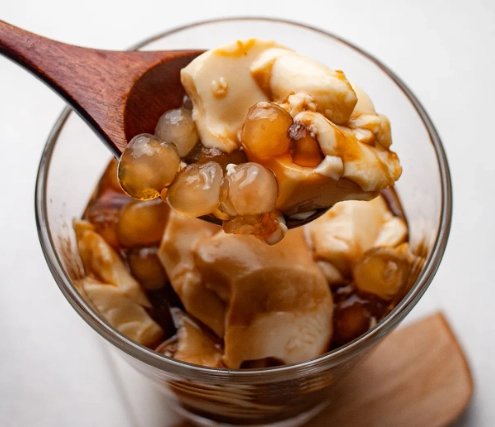
Expert Tips & Common Mistakes to Avoid
Here's where that "10 years of experience" advice comes in. These are the subtle things that separate good taho from great taho.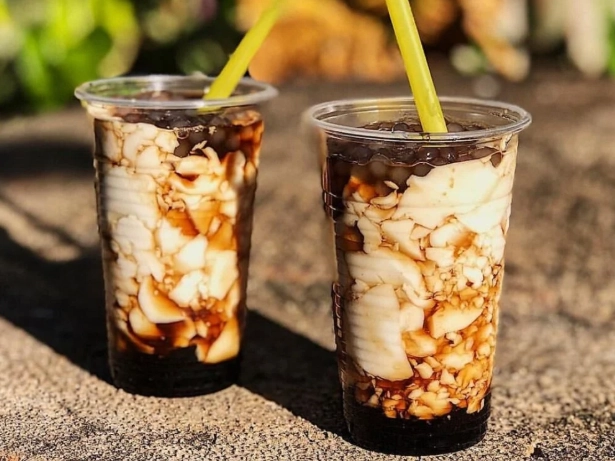
Mistake 1: Using boiling soy milk. Pouring near-boiling milk onto the coagulant will cause the proteins to seize too quickly, creating a grainy, scrambled-egg texture instead of a smooth, unified gel. The 75-80°C range is critical.
Mistake 2: Stirring after adding coagulant. This is the most common error. Once the coagulant is in, you must let science do its work. Stirring breaks the protein bonds as they form, resulting in weak curds and excess whey.
Mistake 3: Making the arnibal too thick or too hot. A thick, hot syrup will "cook" and toughen the surface of the delicate tofu. The syrup should be warm and fluid enough to seep into the tofu slightly. If it forms a hard shell on top, it's too reduced.
Pro-Tip for Texture: For an even more authentic street-style feel, some vendors add a tiny amount of gulaman (agar) to the soy milk-coagulant mix. This isn't traditional pure tofu, but it gives that incredibly bouncy, jiggly texture that holds up perfectly in a cup. Try adding 1/4 teaspoon of agar powder dissolved in the gypsum water if you want to experiment.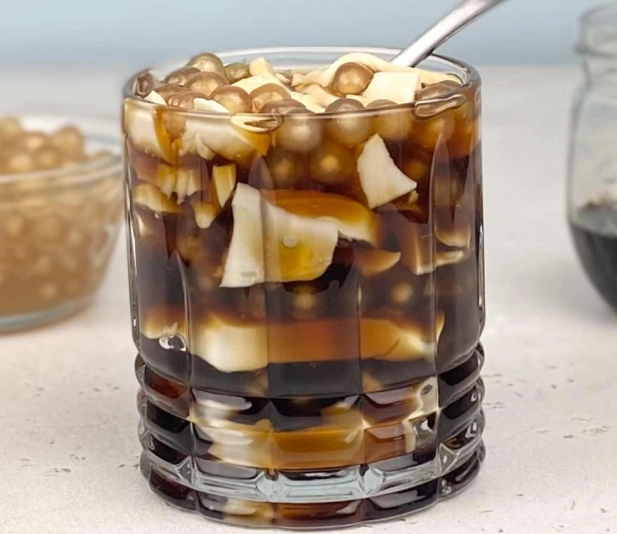
Your Taho Questions Answered
Making taho from scratch is a rewarding project. It connects you to a daily Filipino ritual. It might not be as instant as opening a box of tofu, but the first spoonful of that warm, silky, perfectly sweetened homemade taho is a small victory. It tastes like patience and getting the details right. Give it a try, and listen for that "Tahoooo!" call in your own kitchen.