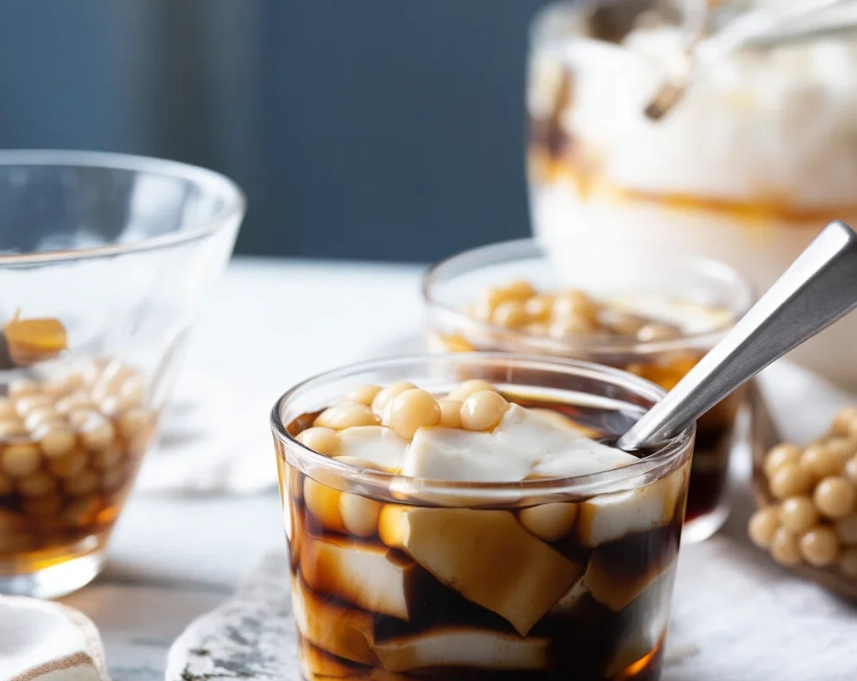
Let's cut to the chase. You've probably seen those mesmerizing videos or smelled the incredible aroma on a Bangkok street: a vendor pours a thin batter onto a sizzling griddle, cracks an egg on top, sprinkles sugar and scallions, folds it into a perfect golden parcel, and hands over a tart ta tan—a crispy, sweet, and savory Thai egg pancake. It looks simple. Making it at home that actually crunches and tastes like the real deal? That's the trick. After more tries than I'd like to admit (including a few rubbery, soggy disasters), I've nailed down the recipe and, more importantly, the techniques most online guides gloss over.
In This Tart Ta Tan Guide
What Exactly Is Tart Ta Tan?
It's not a fancy French tart. Tart ta tan (ทาร์ตตาต่าน) is pure Thai street food magic. The name is a playful onomatopoeia—"tart" for the sound of cracking the egg, and "ta tan" mimicking the sizzle of batter hitting hot oil. Think of it as a hybrid: the lacy crispiness of a Dutch *stroopwafel* meets the savory comfort of a scallion pancake, all held together by a slightly sweet, eggy center. It's a snack, a dessert, and breakfast, all for about 20-30 Baht (less than $1) from a cart.
Most recipes you find online get the basic idea right but miss the texture. The goal isn't just a cooked pancake; it's a specific contrast. The edges must be shatteringly crisp and almost translucent, while the middle, where the egg sits, should be tender and slightly custardy. Achieving that is all about batter consistency and heat control.
The Ingredients Breakdown: Why Each One Matters
You don't need fancy stuff. But using the right type of common ingredients makes a world of difference. Here’s what you need and why.
| Ingredient | Quantity | Purpose & Pro Notes |
|---|---|---|
| Rice Flour (NOT glutinous) | 1 cup (120g) | The backbone. It creates the signature delicate, crispy lace. All-purpose flour makes it cakey and wrong. I use Erawan brand, but any fine rice flour works. |
| Tapioca Starch or Cornstarch | 2 tbsp | Adds chew and helps bind the lacy structure. Tapioca is more authentic. |
| Coconut Milk (canned, full-fat) | 1 cup (240ml) | Adds richness and a subtle fragrance. Don't use the light version—the fat is crucial. |
| Water | ½ cup (120ml) | Thins the batter to the perfect pouring consistency. |
| Salt | ¼ tsp | Balances the sweetness. |
| Eggs (large, room temp) | 1 per pancake | The star on top. Room temperature eggs spread better and cook more evenly. |
| Granulated Sugar | 1-2 tbsp per pancake | Sprinkled on top. It caramelizes, creating sweet, crispy bits. Palm sugar is a great alternative for a deeper flavor. |
| Scallions (Green Onions), finely chopped | 2-3 tbsp per pancake | The essential savory note. Chop them small so they don't tear the delicate pancake when folding. |
| Neutral Oil (like canola or rice bran) | For frying | You need a good amount—about 3-4 tbsp per pancake. This is a shallow-fry, not a sauté. The oil is what creates the crisp lace. |
A Quick Word on Authenticity
Some street vendors add a tiny pinch of baking powder for extra lift, but purists (and I side with them) argue it makes the texture too puffy and cake-like, losing that essential crispness. We're skipping it. The crisp comes from water in the batter hitting hot oil and steaming out, leaving behind the rice flour lace—a technique similar to making lace pancakes in other cuisines.
How to Make Tart Ta Tan: The Step-by-Step Recipe
Ready your non-stick skillet or a well-seasoned cast-iron pan. This is a fast process once you start.
Step 1: Make the Batter (The Night Before is Best)
Whisk the rice flour, tapioca starch, and salt in a bowl. Slowly whisk in the coconut milk and water until completely smooth—no lumps. The consistency should be like thin cream, similar to crepe batter. Cover and let it rest in the fridge for at least 30 minutes, but overnight is ideal. This allows the rice flour to fully hydrate, resulting in a stronger, crisper network when cooked. This is the first secret most home cooks miss.
Step 2: Heat the Pan & Pour the Batter
Place your pan over medium-high heat. Add a generous 3-4 tablespoons of oil. Let it get properly hot. To test, drop a tiny bit of batter in; it should sizzle and bubble immediately. Give your rested batter a final stir. Now, take a ladle (about ⅓ cup) and, holding it about 6-8 inches above the pan, pour the batter in a quick, thin, circular motion to cover the bottom. Don't swirl the pan like a crepe. You want an uneven, lacy distribution with holes, not a solid sheet.
Step 3: The Critical Moment: Egg, Sugar, Scallions
Immediately after pouring, crack an egg right into the center. Use your ladle to gently break the yolk and spread the egg white outwards slightly, but don't break the delicate batter edges. Quickly sprinkle a tablespoon of sugar evenly over the egg and pancake, followed by a generous handful of chopped scallions.
Step 4: The Fold and Crisp
Let it cook undisturbed for about 1.5 to 2 minutes. You'll see the edges turn golden brown and lift from the pan. This is key. Using two spatulas (trust me, one often leads to tears), carefully lift one side and fold it over the egg, like an omelette. Press down gently. Cook for another 30 seconds, then flip the whole parcel over. Cook for a final 45-60 seconds on the second side until deeply golden and crisp. Transfer to a wire rack, not a plate (to avoid steam making it soggy). Repeat with remaining batter.
Expert Tips for the Perfect Crisp
Here’s where my trial-and-error pays off for you.
- Batter Temperature is Everything: Use cold batter straight from the fridge. The shock of cold batter hitting hot oil creates more vigorous steam, leading to a lacier, crispier texture.
- Don't Be Shy with the Oil: This isn't a health food. Enough oil needs to pool slightly around the edges to "fry" the lacy bits into crispness. Skimping here gives you a soft, greasy pancake.
- The Right Pan: A good non-stick skillet is your friend. A cast-iron holds heat better but can stick if not perfectly seasoned. Avoid stainless steel for this.
- Fold with Confidence, Not Force: If the pancake resists folding, it's not ready. Wait another 15 seconds. Forcing it will cause a messy break. The Thai Street Food Vendors Association might not have an official manual, but observing them shows a quick, decisive flip.
- Serve Immediately: Tart ta tan is a now-or-never food. It starts losing its crunch within minutes. Eat it hot, ideally with a light drizzle of sweetened condensed milk if you're feeling indulgent.