You’ve found them. A small basket of honeycombed, earthy morel mushrooms, maybe from a secret spot in the woods or the farmer's market. Now what? The pressure’s on. These aren't your everyday button mushrooms. They’re a fleeting seasonal treasure, and the last thing you want is to mess them up with a bad recipe or, worse, a cleaning method that turns them to mush. I’ve been there—my first batch ended up a bit too oily because I didn't trust the simplicity of the process. Let's get it right.
What You'll Find In This Guide
This guide isn't just a list of morel mushroom recipes. It's the method behind them. We’ll cover the critical prep work most blogs gloss over, three foundational cooking techniques that guarantee success, and the little details that separate a good dish from a legendary one. Forget complicated ingredients; the magic is in the mushroom itself.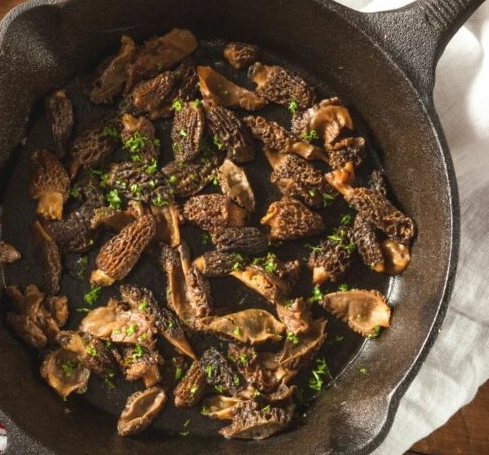
How to Clean Morel Mushrooms (The Right Way)
This is where most people go wrong. You can’t just rinse them under the tap. Their hollow, honeycombed structure is a dirt magnet. But soaking them in water for too long? That’s a recipe for soggy, flavorless mushrooms.
Here’s the method I’ve settled on after years of trial and error:
- Dry Brush First: Use a soft-bristled brush (a clean paintbrush works perfectly) to knock off loose dirt and debris. Do this over a cutting board or paper towel.
- The Salty Bath (Controversial, but I Stand By It): Fill a large bowl with cold water. Dissolve a handful of salt in it. The salt helps encourage any tiny bugs to vacate. Submerge the morels for no more than 5 minutes. Agitate gently with your hands.
- Rinse & Drain: Lift them out—don’t dump the bowl, or you’ll pour the dirt back over them. Give them a quick rinse under cold running water, holding each one up to flush through the cavities.
- The Crucial Dry: This is the non-negotiable step. Spread the morels in a single layer on a clean kitchen towel or several layers of paper towels. Pat them dry. Let them air-dry for at least 15-20 minutes. They need to be surface-dry to get a good sear. A wet morel will steam, not sauté.
Skip the fancy mushroom cleaners. Water, salt, and patience are all you need. Some foragers swear by just dry brushing, but if you’ve seen what comes out in the salt bath, you’ll understand why I do it.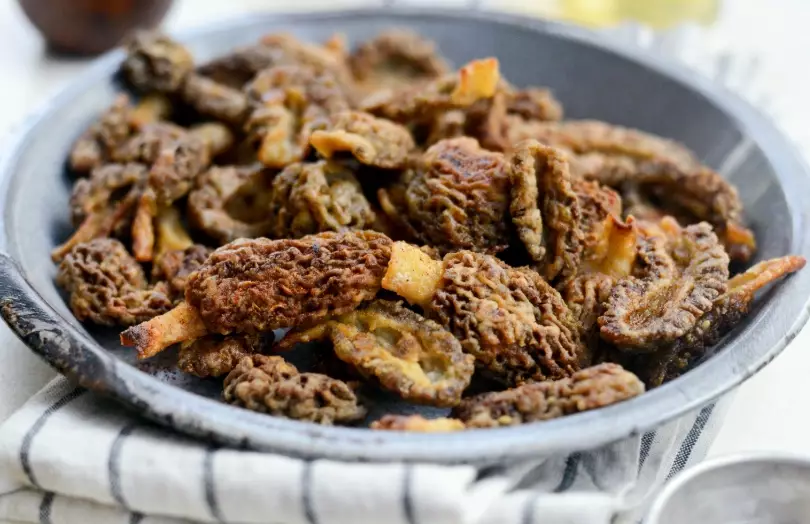
The Foundational Recipe: Simple Sautéed Morels
This is your baseline, your test kitchen. If you only learn one way to cook morel mushrooms, make it this. It highlights their pure, nutty, woodsy flavor. Master this, and you can build anything.
Ingredients & Steps at a Glance
For 2-3 servings: ½ lb (225g) fresh, cleaned morels, 3 tbsp unsalted butter, 1 small shallot (minced), 2 cloves garlic (minced), ¼ cup dry white wine or sherry, salt and black pepper, 2 tbsp fresh parsley (chopped).
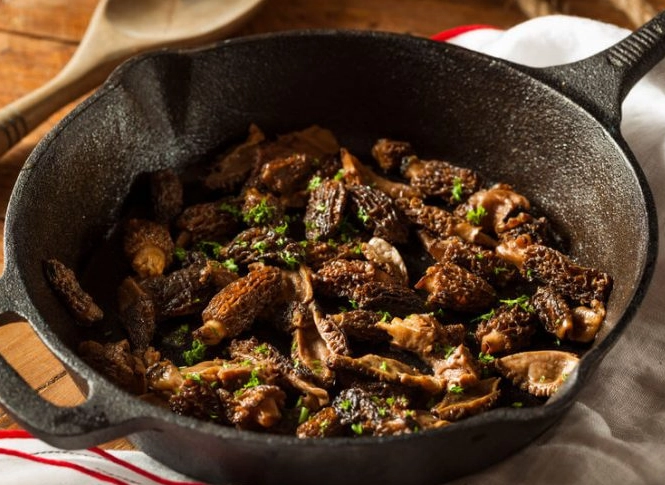
The Process: Heat butter over medium heat until foaming subsides. Add morels (halved if large) in a single layer. Don’t crowd the pan—cook in batches. Sauté for 4-5 mins until they start to brown and release their juice. Push morels to the side, add shallot and garlic to the center, cook for 1 min until fragrant. Pour in wine to deglaze, scraping up browned bits. Let it reduce by half. Toss everything together, season with salt and pepper, finish with parsley. Serve immediately on toast, with eggs, or as a side.
The key is medium heat. Too high, and the butter burns before the morels cook through. Too low, and they stew. Listen to them—you’ll hear a gentle sizzle. That first bite, with the crispy edges and meaty interior, is what the foraging hunt is all about.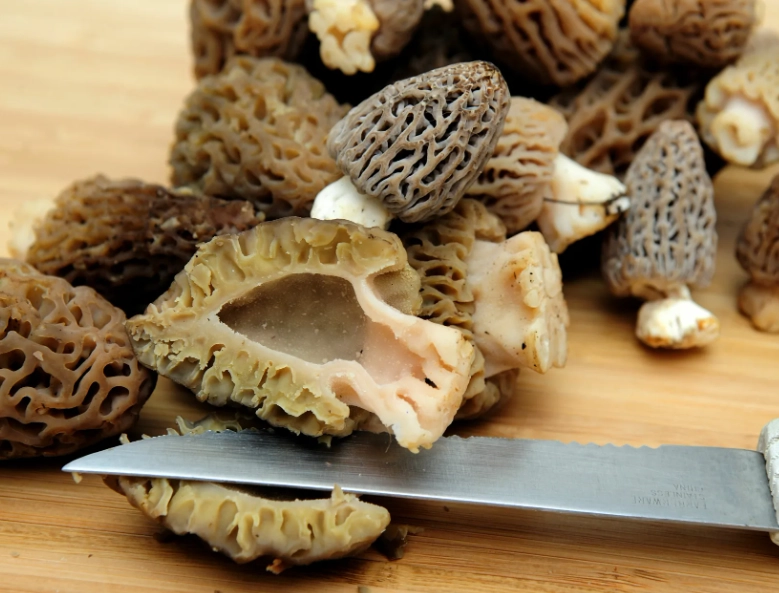
Transforming Them: Creamy Morel Sauce
This is luxury in a pan. It turns a handful of morels into a decadent sauce that can elevate the simplest protein or pasta. It’s my go-to for a special dinner.
Start by sautéing the morels as in the classic recipe above. Once the wine has reduced, lower the heat to medium-low. Pour in about ¾ cup of heavy cream. Let it simmer gently for 5-7 minutes until it thickens enough to coat the back of a spoon. The sauce will turn a beautiful pale tan. Finish with a squeeze of lemon juice to cut the richness, and maybe a touch of thyme.
How to use it: Toss with fresh fettuccine and a pile of grated Parmesan. Spoon over a grilled ribeye steak or a pan-seared chicken breast. Serve alongside seared scallops for a restaurant-worthy dish.
You can use dried morels here too. Soak 1 oz of dried morels in 1 cup of hot water for 20 minutes. Use the strained soaking liquid as part of the liquid with the cream—it adds an insane depth of flavor.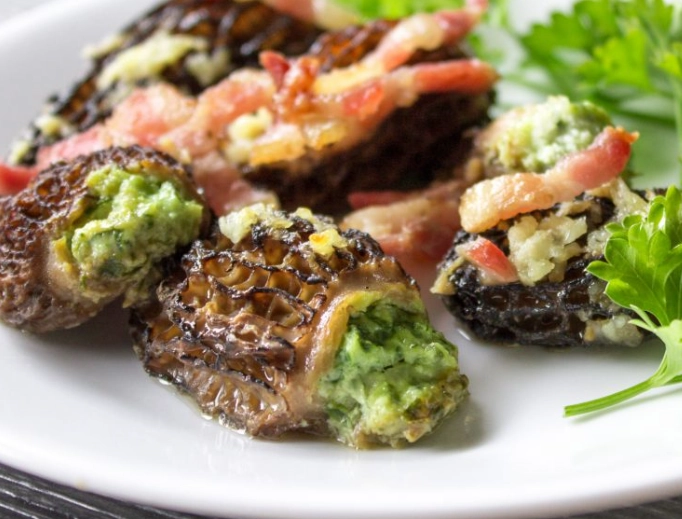
For a Special Occasion: Stuffed Morels
This recipe is more hands-on, but it’s a stunning appetizer. You need larger, intact morel caps for this. The filling is simple: cook a few strips of diced bacon until crisp, remove, and in the fat, sauté some fine breadcrumbs (panko works great) until golden. Mix the breadcrumbs with the bacon, some grated Gruyère cheese, and chopped chives.
Gently pipe or spoon the mixture into the morel cavities. Don’t pack them too tight. Arrange them on a baking sheet, drizzle lightly with olive oil, and bake at 375°F (190°C) for 12-15 minutes, until the morels are tender and the filling is hot and bubbly. They’re rich, savory, and disappear from the plate in seconds.
Pro Tips: Pairing, Storing & The One Big Mistake
Cooking is only half the battle. Here’s how to round out the experience.
- Wine Pairing: Morels have an earthy, umami depth. Pair them with wines that have similar earthy notes or bright acidity. A Pinot Noir, a Cru Beaujolais (like Morgon), or an unoaked Chardonnay are perfect companions. Avoid heavily oaked wines—they’ll fight the mushroom’s subtlety.
- Storing Fresh Morels: They’re perishable. Store them in a paper bag in the main part of your fridge (not the crisper, it’s often too humid). They should last 3-4 days. Never store them in plastic—they’ll sweat and rot quickly.
- Preserving the Bounty: If you have too many, sauté them in butter until just cooked, let them cool, pack them into an airtight container, and cover them with the cooking butter. Freeze for up to 6 months. Drying is another excellent option.
- The Big Mistake Everyone Makes: Overcomplicating the flavor profile. Morels don’t need a dozen herbs and spices. They need a fat to carry their flavor (butter, cream), a bit of aromatic (shallot, garlic), and something acidic to balance (wine, lemon). Thyme is a friend; rosemary is often too overpowering. Let the mushroom be the star.
Your Morel Cooking Questions Answered
Can I use dried morels in these recipes?
Absolutely. Dried morels are a fantastic pantry staple and concentrate the flavor. For the sauté and cream sauce recipes, rehydrate them first. Cover 1 ounce of dried morels with 2 cups of hot (not boiling) water or broth. Let steep for 20-30 minutes until pliable. Gently squeeze out excess liquid, but SAVE the soaking liquid. Strain it through a coffee filter to remove grit—it’s liquid gold for adding to sauces, soups, or risotto. The rehydrated morels will be softer than fresh, so a slightly shorter cooking time is best.
Why are my sautéed morels soggy or rubbery?
Two likely culprits. First, they weren’t dry enough before hitting the pan. Moisture leads to steaming. Second, the pan was overcrowded. Crowding drops the pan temperature and creates steam. Cook in batches to ensure each morel has contact with the hot surface. Also, make sure your heat is at a solid medium—you want a steady sizzle, not a furious spatter or a silent simmer.
Is it safe to eat morels raw?
No. Morels contain small amounts of hydrazine toxins that are neutralized by heat. Always cook morels thoroughly. Consuming them raw or undercooked can cause stomach upset for most people and more severe reactions for some. Proper cooking (sautéing, simmering, baking) is essential for both safety and unlocking their best flavor and texture.
What’s the best way to cook morel mushrooms for someone who has never tried them before?
Start with the simple sauté in butter. It’s the purest expression of their flavor. Serve them on top of a creamy polenta or a slice of good, crusty bread to soak up the buttery juices. This low-risk introduction lets the mushroom itself shine without any competing flavors. If you jump straight into a complex, heavily sauced dish, you might miss what makes them special.
My morels have a slight gritty texture even after cleaning. What did I do wrong?
That grit is likely trapped deep in the honeycomb ridges. The salt-water bath helps, but for stubborn grit, try this: after the initial rinse, fill a large bowl with clean water. Hold each morel by the stem and vigorously swish it around underwater, like shaking a handbell. The centrifugal force can help dislodge particles that soaking alone won’t. Then proceed to dry them thoroughly.