Let's be honest. Your first time cooking pheasant probably didn't go as planned. You followed a standard chicken recipe, and ended up with meat that was tough, dry, and tasted a bit... wild. I've been there. I remember serving a beautifully browned pheasant only to have my guests politely saw at it with their knives. The problem wasn't the bird; it was treating it like ordinary poultry. Pheasant is a lean, delicate game bird that demands a specific approach. This guide is everything I wish I'd known twenty years ago. We're going to cover not just a great pheasant recipe, but the why behind each step, ensuring you get tender, flavorful results every single time.
What You'll Find Inside
Why Pheasant Dries Out (And How to Stop It)
Pheasant meat has almost no internal fat. Unlike a well-marbled ribeye or even a chicken thigh, it relies on moisture within the muscle fibers. High, dry heat squeezes that moisture right out. The breast meat cooks much faster than the legs, leading to a classic dilemma: dry breasts or undercooked legs.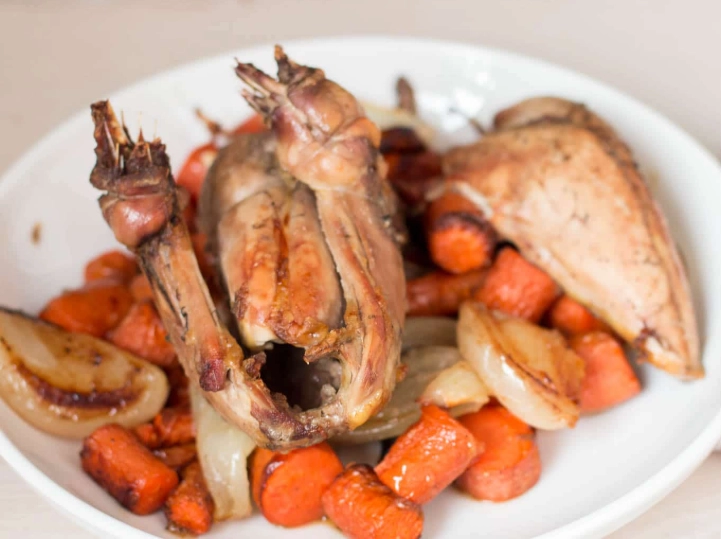
The single most important concept for a perfect pheasant recipe is managing moisture and heat differential.
Many online recipes suggest wrapping the bird in bacon. That's a band-aid solution. The bacon fat bastes the skin, but does little to protect the interior breast meat from overcooking. We need a more strategic approach.
Essential Prep Work You Can't Skip
Before you even think about heat, get the bird ready. If you're using a wild-harvested pheasant, check carefully for any remaining shot or feather quills. For farm-raised birds, this is less of an issue.
To Spatchcock or Not?
Spatchcocking (removing the backbone and flattening the bird) is a fantastic technique for even cooking. It exposes all the meat to the same heat intensity, so the breasts and thighs finish at roughly the same time. It also increases surface area for crispy skin. For a beginner, I highly recommend it. Use sturdy kitchen shears.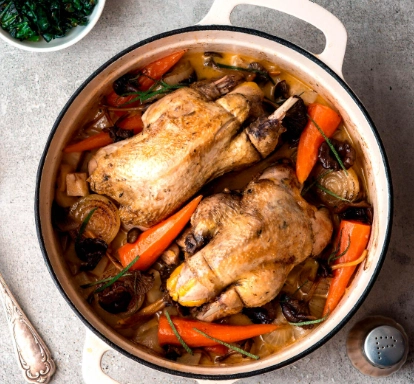
The Breast Armor Trick
If you prefer to roast the bird whole, here's a pro move: carefully slide your fingers under the skin of the breast to separate it from the meat. Then, insert a few thin slices of very cold butter, along with some fresh herbs like thyme or sage, directly onto the breast meat. This creates a protective, basting layer that melts during cooking.
Two Foolproof Pheasant Cooking Methods
Forget low and slow like a pork shoulder. Pheasant needs either very high heat very quickly, or precise, moderate heat. Here are the two methods I trust.
| Method | Best For | Core Idea | Target Internal Temp (Breast) |
|---|---|---|---|
| High-Heat Roast | Spatchcocked birds, maximum crisp skin | Cook hot (425°F/220°C) and fast to sear the outside before moisture escapes. | 150-155°F (65-68°C) |
| Butter-Basted Pan Roast | Whole or halved birds, richer flavor | Start on the stovetop to brown, then finish in the oven with constant butter basting. | 150-155°F (65-68°C) |
Legs and thighs can (and should) go higher, to around 175°F (80°C), to break down the tougher connective tissue. This is why separating the legs from the crown or spatchcocking helps so much—you can remove the perfect breasts early and let the legs cook longer.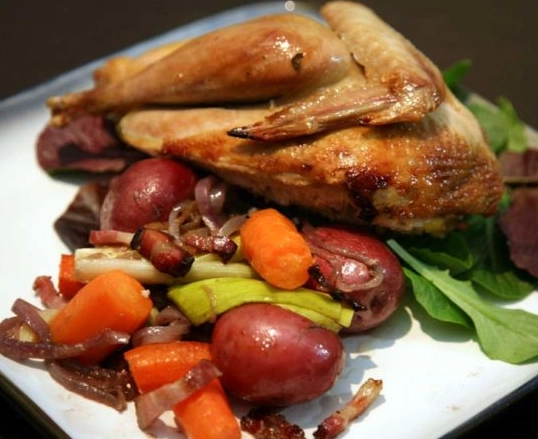
Sauces & Pairings That Actually Work
Pheasant has a mild, slightly sweet flavor. It pairs beautifully with earthy, sweet, and acidic elements. Avoid overly heavy sauces that will mask it.
| Sauce | Why It Works | Simple How-To |
|---|---|---|
| Creamy Mustard & Tarragon | Acidity cuts richness, herbs complement. | Deglaze pan with brandy, add cream, whole-grain mustard, fresh tarragon. |
| Port & Red Currant Jus | Sweetness balances the lean meat. | Reduce pheasant stock with shallots, port, a spoonful of red currant jelly. |
| Brown Butter & Sage | Nutty, simple, lets the pheasant shine. | Cook butter until nut-brown, toss in fresh sage leaves until crisp. |
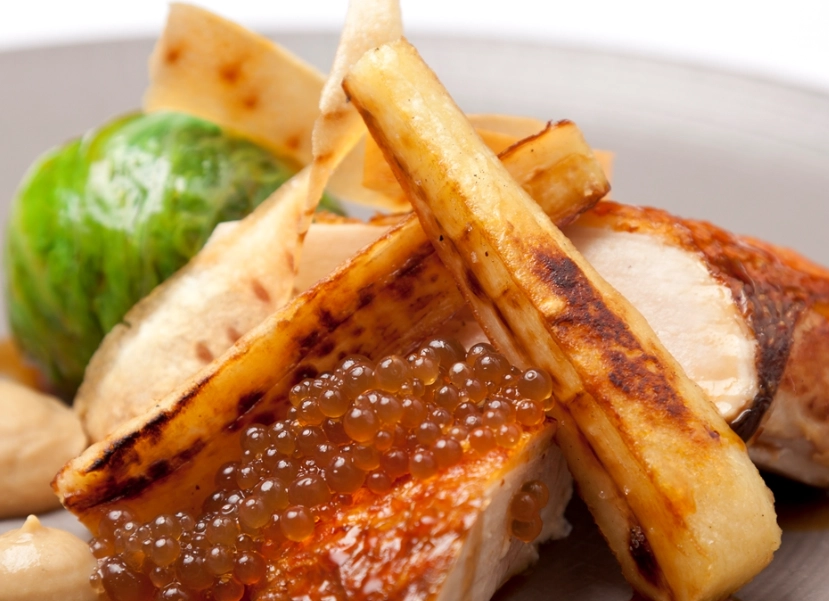
Side Dishes: Think seasonal and rustic. Buttered braised red cabbage, creamy polenta, roasted root vegetables (parsnips, carrots), wild rice pilaf, or a simple potato gratin. A sharp apple or pear salad works great as a starter to cut through the richness.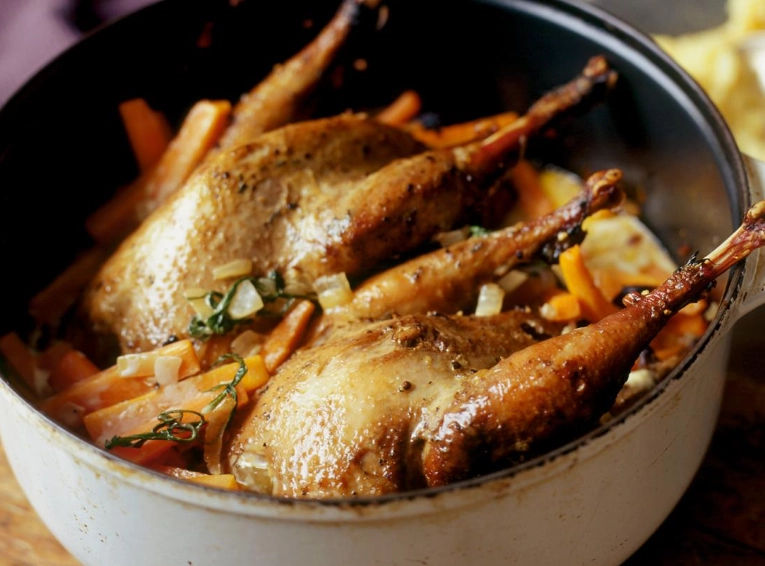
The Classic Roast Pheasant Recipe
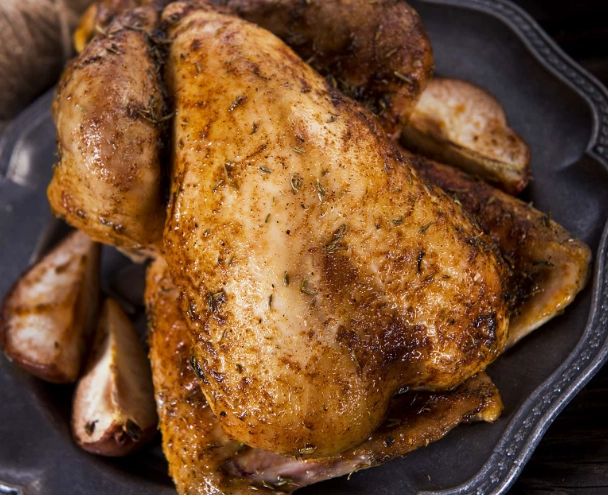
This is my go-to, all-occasion pheasant recipe. It uses the butter-basted pan roast method for incredible flavor and control.
Ingredients:
- 1 whole pheasant (2.5-3 lbs), brined for 4-6 hours and patted dry
- 2 tbsp neutral oil (like grapeseed)
- 4 tbsp high-quality unsalted butter
- 4 sprigs fresh thyme
- 2 sprigs fresh rosemary
- 1 small onion, quartered
- 1/2 cup dry white wine or chicken stock
- Salt and freshly ground black pepper
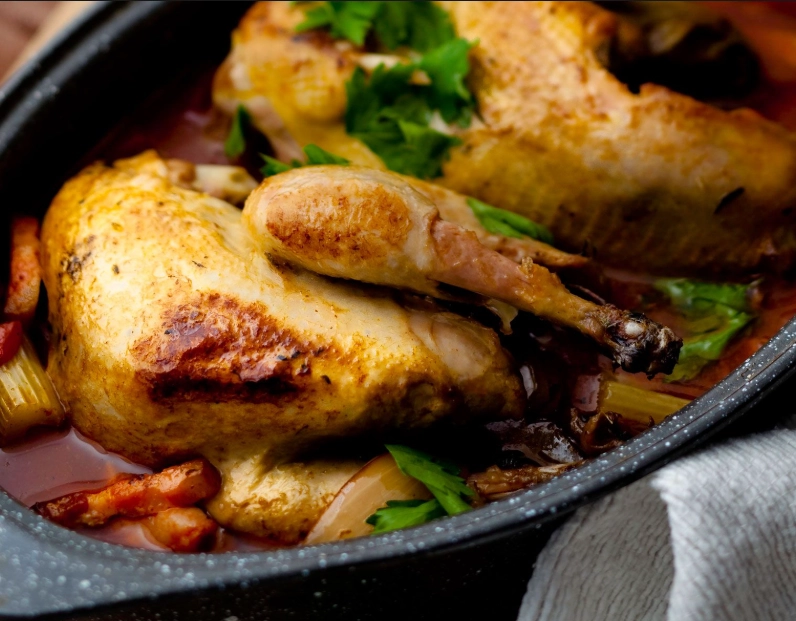
Steps:
- Preheat your oven to 400°F (200°C). Season the brined pheasant liberally with pepper (go easy on salt if brined).
- In a large, oven-safe skillet (cast iron is perfect), heat the oil over medium-high heat. Brown the pheasant on all sides until golden, about 8-10 minutes total.
- Reduce heat to medium. Add the butter, thyme, rosemary, and onion quarters to the skillet. As the butter melts, start spooning it continuously over the bird for 2 minutes.
- Transfer the skillet to the preheated oven. Roast for 15 minutes, then baste again with the pan juices. Continue roasting until a thermometer inserted into the thickest part of the breast reads 150-155°F (65-68°C). This usually takes 25-35 minutes total oven time, but trust the thermometer, not the clock.
- Transfer the pheasant to a cutting board, tent loosely with foil, and let it rest for 10-15 minutes. This allows the juices to redistribute.
- While resting, make the sauce. Place the skillet back on the stove over medium heat. Discard the onion and herb stems. Add the wine or stock, scraping up all the browned bits (fond). Let it simmer and reduce by half. Season to taste.
- Carve the pheasant and serve with the pan sauce.
Expert Tips From a Game Cook
Most recipes tell you to marinate pheasant in red wine. I think that's often a mistake. The tannins can sometimes make the meat taste slightly bitter and the color turns grey. For a marinade, I prefer buttermilk or yogurt with herbs and a touch of garlic. The lactic acid tenderizes gently without overpowering.
Another underrated tip: save the carcass! Pheasant makes the most incredible stock. Roast the bones with some veggies, cover with water, and simmer for a few hours. You've got a goldmine for soups, risottos, or the base for your next sauce. It's far more flavorful than chicken stock.
If you have access to only frozen pheasant, thaw it slowly in the refrigerator for 24-48 hours. Never thaw at room temperature or in water, as it can degrade texture and promote bacterial growth.