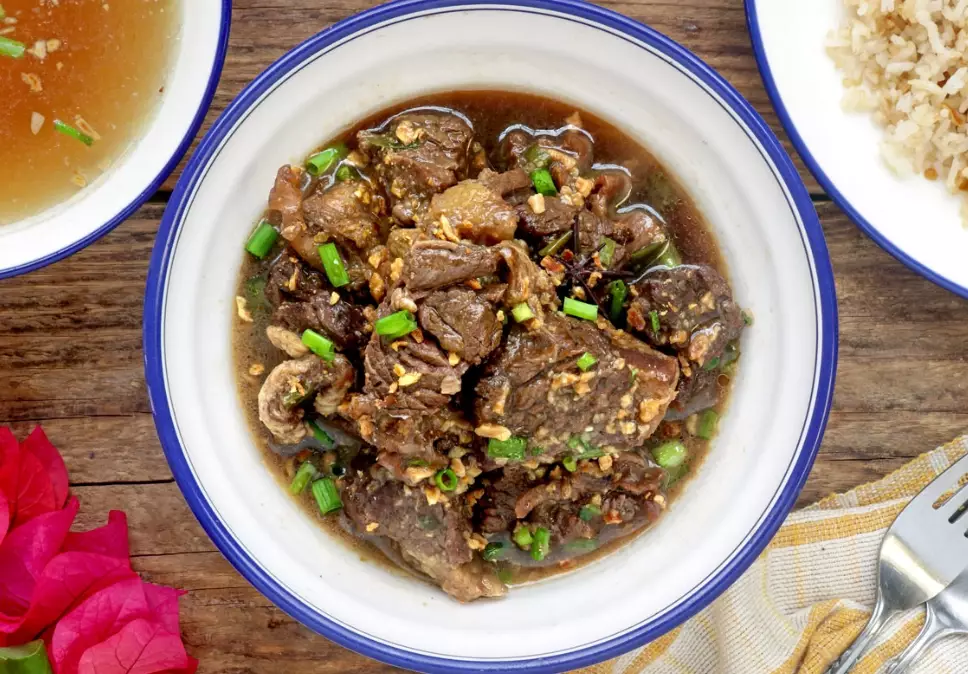
If you're looking for a simple Filipino beef recipe that's both delicious and easy to make, you've hit the jackpot. Beef adobo is the answer—a classic dish that's packed with flavor and can be whipped up in under 30 minutes with minimal fuss. I've been cooking this for years, and let me tell you, it's a lifesaver on busy weeknights. In this guide, I'll walk you through everything from the basics to the little tricks that most recipes don't mention.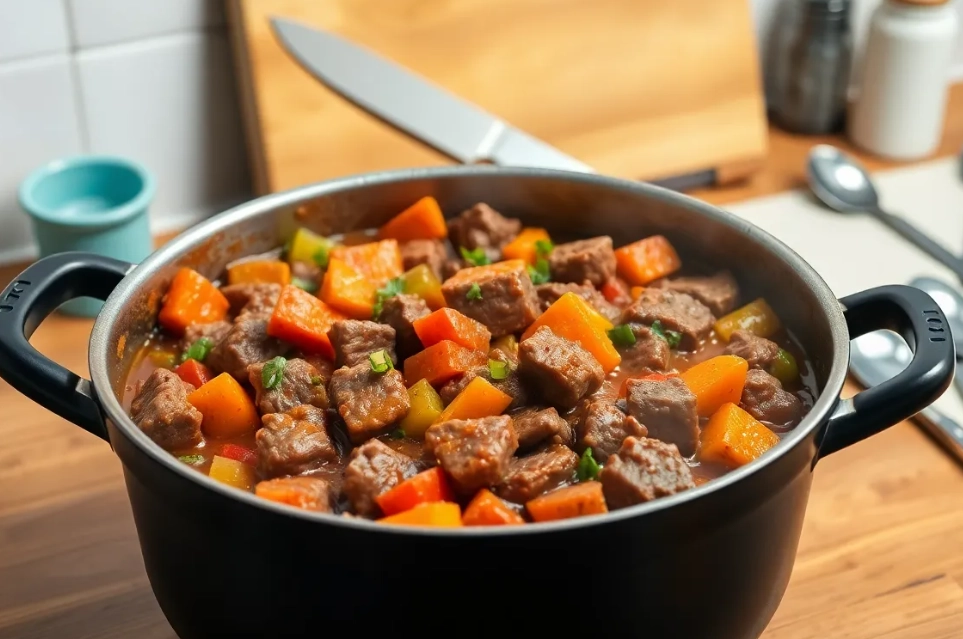
What You'll Find in This Guide
What is Filipino Beef Adobo?
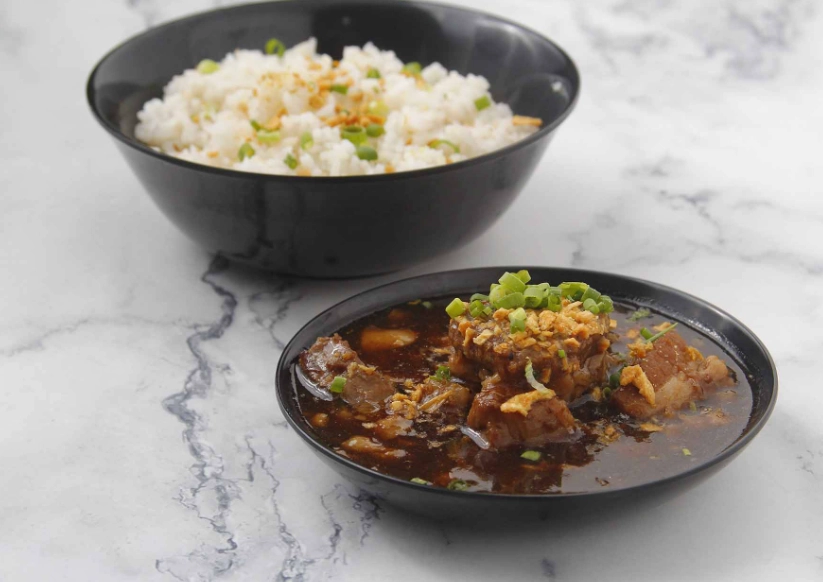
Filipino beef adobo isn't just any stew—it's a tangy, savory dish that's been a staple in Filipino households for generations. The magic comes from simmering beef in a mixture of vinegar, soy sauce, garlic, and spices. Unlike other versions, the Filipino style keeps it simple, focusing on balance rather than complexity. I remember my first attempt: I added too much vinegar, and it turned out way too sour. But once you get the ratios right, it's unbeatable.
Why This Recipe Works for Beginners
You don't need fancy skills or equipment. Just a pot, some basic ingredients, and about 30 minutes. The dish is forgiving—if you overcook it a bit, it still tastes great. Plus, it's versatile; you can serve it with rice, noodles, or even as a filling for tacos.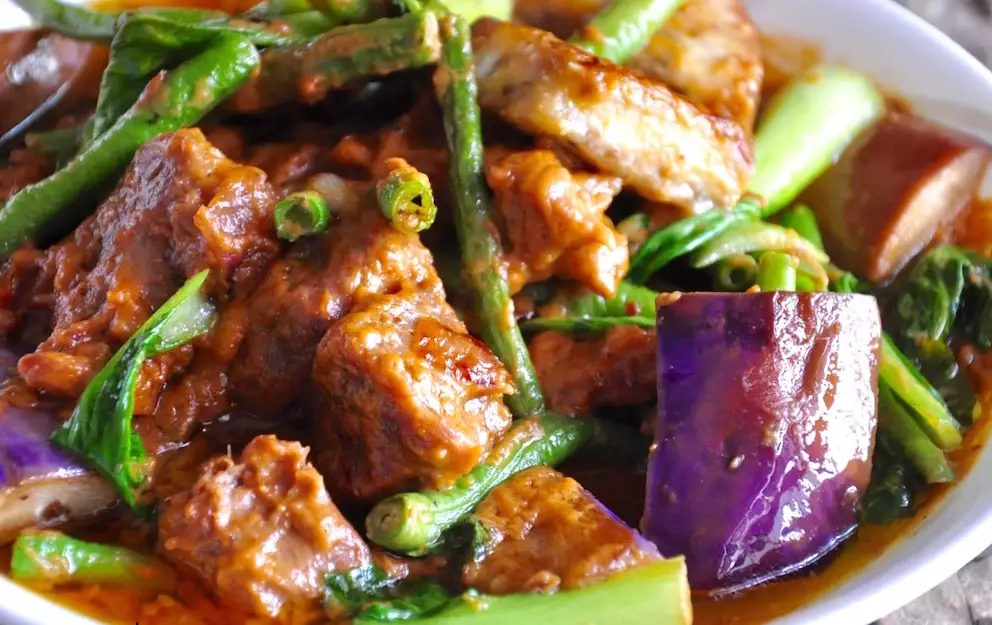
Key Ingredients for Simple Beef Adobo
Let's break down what you'll need. I've seen recipes that overcomplicate this, but trust me, less is more. Here's a table with the essentials and possible substitutions if you're in a pinch.
| Ingredient | Purpose | Substitution Ideas |
|---|---|---|
| Beef (like sirloin or chuck) | Provides protein and richness | Chicken, pork, or even tofu for a vegetarian twist |
| Soy sauce | Adds saltiness and depth | Tamari or coconut aminos for a gluten-free option |
| Vinegar (cane or white) | Gives the tangy kick | Apple cider vinegar or lemon juice in a pinch |
| Garlic | Enhances flavor base | Garlic powder if fresh isn't available, but fresh is best |
| Bay leaves and black pepper | Adds aromatic notes | Omit if you don't have them, but they make a difference |
I usually grab beef from my local butcher—it's cheaper and fresher. For soy sauce, I prefer a Filipino brand like Silver Swan, but any will do. The vinegar is key; cane vinegar has a milder taste, but white vinegar works fine. Don't skip the garlic—it's the soul of this dish.
Step-by-Step Cooking Instructions
Here's how to make this simple Filipino beef recipe without any stress. I've timed it to fit into a busy schedule.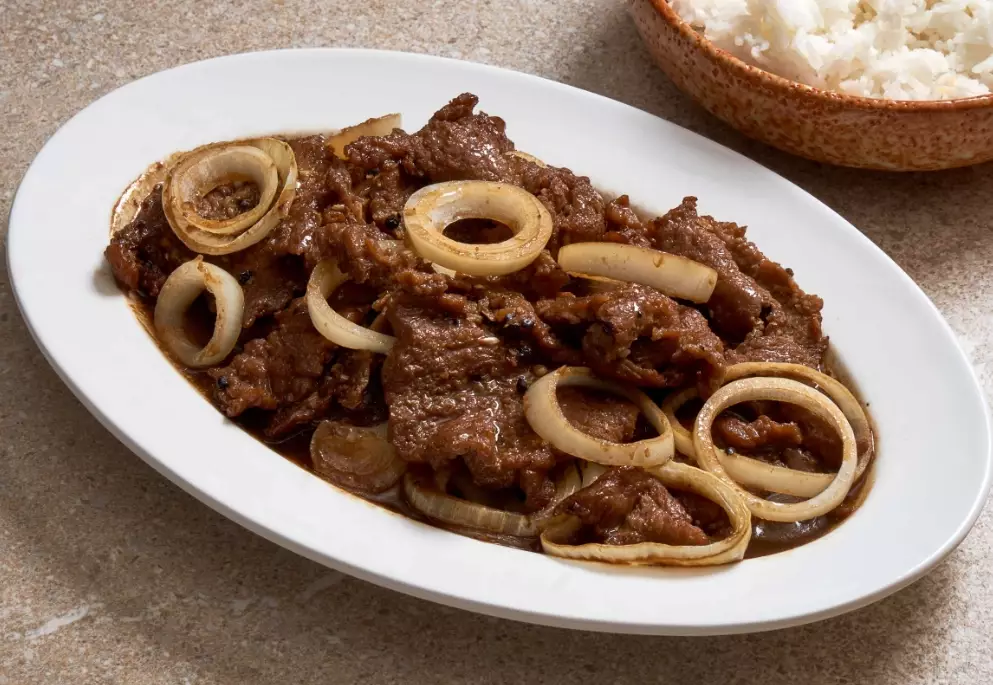
Prep Time: 5 Minutes, Cook Time: 25 Minutes
Start by cutting 500 grams of beef into bite-sized pieces. Pat them dry—this helps with browning. Heat a tablespoon of oil in a pot over medium heat. Add 5 cloves of minced garlic and sauté until golden. This step is crucial; if you burn the garlic, it'll taste bitter. I've done that before, and it ruined the whole batch.
Add the beef and brown it on all sides. Don't crowd the pot; do it in batches if needed. Once browned, pour in 1/4 cup of soy sauce and 1/4 cup of vinegar. Add 1 cup of water, 2 bay leaves, and a teaspoon of black pepper. Bring it to a boil, then reduce the heat to low, cover, and simmer for 20 minutes.
Pro Tip: Don't stir immediately after adding the vinegar. Let it cook off for a minute to mellow the acidity. This is something many beginners miss, and it prevents the dish from being too sharp.
After simmering, uncover and let it cook for another 5 minutes to thicken the sauce. Taste and adjust—if it's too salty, add a bit of water; if too sour, a pinch of sugar. Serve hot with steamed rice.
Common Mistakes and How to Avoid Them
Even simple recipes can go wrong. Here are pitfalls I've seen and how to dodge them.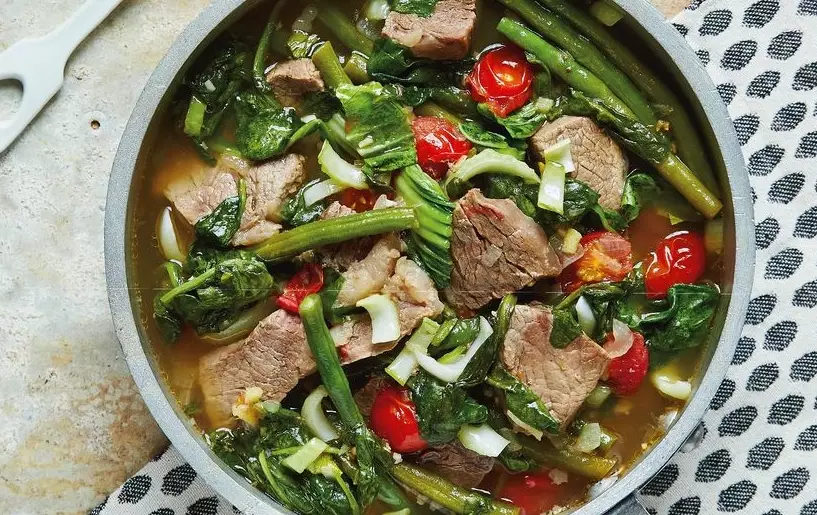
Using too much soy sauce: It makes the dish overly salty. Measure it—1/4 cup is plenty for 500g of beef. I once dumped in half a bottle, and it was inedible.
Skipping the browning step: Browning adds depth. If you just boil everything, it tastes flat. Take the extra 5 minutes to sear the beef.
Overcooking the beef: Beef can get tough if simmered too long. 25 minutes is ideal for tender cuts. If using tougher cuts, extend to 40 minutes, but check frequently.
Not balancing the vinegar: The vinegar should be tangy, not overpowering. Use cane vinegar if possible; it's milder. And remember that pro tip about letting it cook off.
I learned these from trial and error. Now, my adobo is always a hit at family gatherings.
FAQs About Filipino Beef Recipes
 How do I fix adobo if it's too sour?
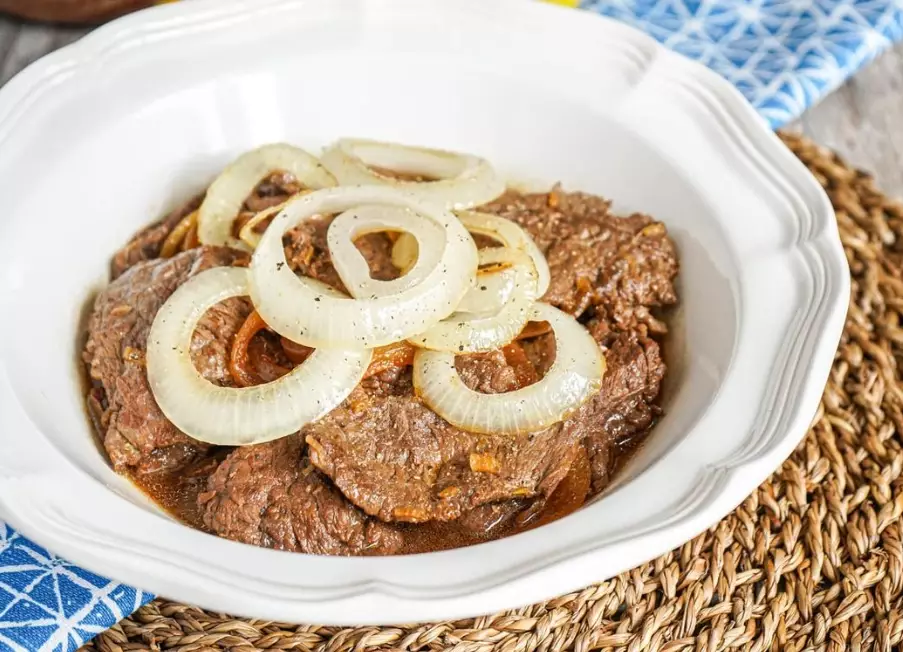 Wrapping up, this simple Filipino beef recipe is more than just food—it's a way to bring a taste of the Philippines into your kitchen without hassle. Give it a try, and don't be afraid to tweak it to your liking. For more authentic tips, check out resources like the Philippine Department of Agriculture's guides on local ingredients, which highlight the importance of using fresh produce.