If you've ever seen a plate of Filipino pancit palabok, the first thing that grabs you is that stunning, almost neon-orange sauce cascading over rice noodles. That's the star. That's Palabok sauce. It's not just a topping; it's a complex, savory, umami-bomb gravy that defines the entire dish. Forget bland, one-note sauces. A good palabok sauce is a symphony of flavors from the sea and land, thickened to a luxurious consistency that clings to every strand of noodle. And here's the thing most recipes don't tell you: getting it right is less about strict rules and more about understanding the role of each ingredient. I've made this sauce more times than I can count, and I've seen (and made) every mistake in the book—from watery disasters to pasty, flavorless gloop.
What's Inside This Guide
What Makes Palabok Sauce So Special?
At its core, Palabok sauce is a rich, shrimp-based gravy. But calling it "shrimp gravy" is like calling champagne "sparkling wine"—technically true but missing the essence. The magic lies in the layering. You start with a foundation of sautéed aromatics (garlic, onions), build depth with ground pork or tinapa (smoked fish), and then infuse it with the concentrated essence of shrimp through two methods: shrimp stock and ground shrimp paste (hibe or alamang).
The final, signature touch is annatto (achuete) oil, which gives it that vibrant color without adding much flavor. The texture is crucial—it should be thick enough to coat the back of a spoon, but still pourable. It's savory, slightly briny from the shrimp, with a subtle sweetness and a hint of smokiness if you use tinapa. When it hits the bland rice noodles and the assortment of toppings (chicharon, hard-boiled eggs, smoked fish flakes), it brings everything to life.
I remember my first attempt. I followed a popular online recipe to the letter. The sauce looked right, but it tasted flat, one-dimensional. It was missing the funk. That's when I learned the secret isn't just the shrimp, but the quality of the shrimp paste and taking the time to really fry it until its oils release.
Key Ingredients, Deconstructed
Let's break down what you absolutely need and why. Substitutions are possible, but they'll change the final character.
| Ingredient | Purpose & Role | Best Form & Notes |
|---|---|---|
| Shrimp (for stock) | Provides the primary seafood essence and natural glutamates for umami. | Use heads and shells for maximum flavor. Frozen are fine. Boil for 15-20 mins. |
| Shrimp Paste (Hibe/Alamang) | The flavor anchor. Adds intense, salty, fermented depth. Non-negotiable. | Choose *sautéed* shrimp paste (ginisang alamang) in jars. Rinse if too salty. |
| Annatto (Achuete) Seeds | Provides the iconic orange-red color with a faint earthy note. | Steep in hot oil to make annatto oil. Don't boil the seeds in the sauce. |
| Pork | Adds body, richness, and a meaty counterpoint to the shrimp. | Ground pork is standard. Some use small pork cubes. Brown it well. |
| Tinapa (Smoked Fish) | Optional but highly recommended for a smoky, complex layer. | Flake smoked milkfish or mackerel. Add flakes when sautéing aromatics. |
| Garlic & Onion | Aromatic base. Garlic is dominant in Filipino sauté (gisa). | Mince finely. Cook on medium-low until fragrant, not burned. |
| Flour | Thickening agent. Creates the gravy consistency. | All-purpose is fine. Toast it lightly with the fat before adding liquid. |
| Fish Sauce (Patis) | Seasoning. Adds salty, savory depth distinct from salt. | Add to taste at the end. Start with 1 tbsp. |
A Quick Reality Check: You'll see recipes using "shrimp bouillon" or powder. In a pinch, okay. But for that authentic, deep flavor that doesn't taste like a processed shortcut, real shrimp stock and good-quality paste make all the difference. The extra 20 minutes are worth it.
Step-by-Step Recipe for Authentic Palabok Sauce
This is my tried-and-true method, refined after many family gatherings and a few disappointing batches.
Prep Work First (Mise en Place)
Make your shrimp stock: Sauté shells/heads in a bit of oil until pink, add 4 cups water, simmer 20 mins, strain. You should have about 3 cups. Make your annatto oil: Heat ¼ cup oil, add 2 tbsp annatto seeds, turn off heat, let steep 10 mins, strain. Prep all other ingredients—mince garlic and onion, measure flour, have shrimp paste ready.
The Cooking Process
Heat 2 tablespoons of the annatto oil in a deep pan or wok. Sauté garlic and onion until soft. Add your ground pork. Break it up and cook until no longer pink. Crumble in about ¼ cup of rinsed shrimp paste. This is the critical step—fry this mixture for 3-4 minutes, stirring constantly. You want the shrimp paste to "toast" a bit and its oils to meld with the pork. You'll smell the transformation.
Sprinkle ⅓ cup of flour over the meat mixture. Stir and cook for 2 minutes to get rid of the raw flour taste. Now, slowly start adding your warm shrimp stock, about a cup at first, whisking vigorously to avoid lumps. Once incorporated, add the rest of the stock. Bring to a simmer. It will thicken as it cooks. Let it bubble gently for 10-15 minutes.
Season with fish sauce and black pepper. Taste. It should be intensely savory, shrimp-forward, and thick like a gravy. Need more salt? Add a bit more fish sauce. Color not vibrant enough? Stir in another tablespoon of your reserved annatto oil. Too thick? Add a splash of water or more stock.
Common Mistakes and How to Fix Them
Everyone messes this up at first. Here's how to salvage it.
Sauce is too thin/watery. You didn't cook the roux (flour+fat) long enough, or you added too much liquid. Make a slurry: mix 1 tbsp flour with 2 tbsp cold water until smooth. Whisk this into the simmering sauce and cook for 3-5 more minutes.
Sauce is too thick/pasty. You added too much flour or reduced it too much. Simply thin it out with more warm shrimp stock or water, a little at a time, until it reaches the right consistency.
Sauce tastes bland or "floury." You didn't sauté the shrimp paste long enough, or you used weak stock. Boost the flavor by adding a bit more fish sauce and a pinch of MSG (yes, really) or a teaspoon of shrimp powder. Simmer for another 5 minutes to blend.
Sauce isn't orange enough. Your annatto oil wasn't potent, or you didn't use enough. Stir in more oil off the heat. Don't add the seeds directly.
Beyond the Noodles: Other Uses for the Sauce
Palabok sauce is too good to reserve just for pancit. Get creative.
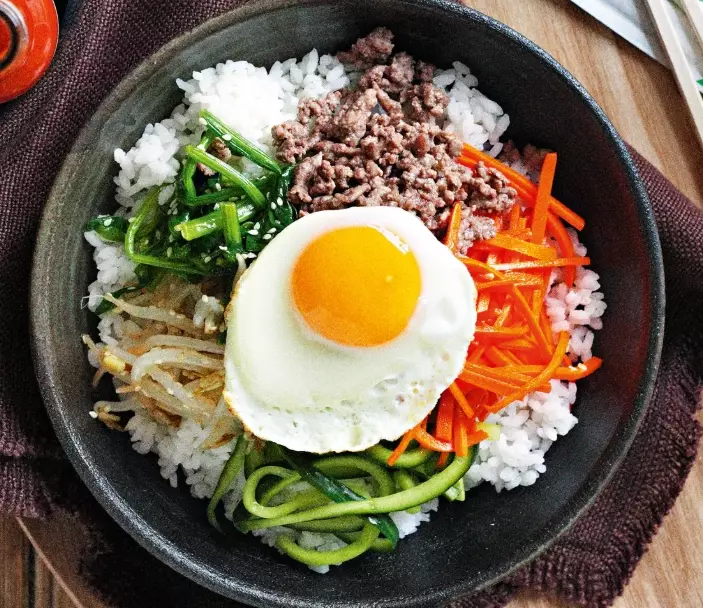
Try it as a topping for steamed rice bowls with a fried egg. Use it as a rich, Filipino-style gravy for mashed potatoes or fried chicken. Thin it out slightly with coconut milk for a unique seafood pasta sauce. I've even used leftovers as a base for a hearty soup, adding more stock and some vegetables.
Your Palabok Sauce Questions, Answered
Grittiness usually comes from one of two places. First, the flour wasn't fully incorporated into the fat before adding liquid, leading to tiny lumps that cook into gritty bits. Always make a smooth roux. Second, and this is more common, it's from low-quality shrimp paste that has fine shell fragments. Try a different brand next time, and consider giving the paste a quick chop or pressing it through a sieve before adding it to the pan.
You can make a version, but it won't be authentic palabok. The shrimp paste is the soul of the flavor. For a shellfish-free alternative, focus on building umami elsewhere. Use a strong dashi (Japanese seaweed and bonito stock) or a mushroom stock instead of shrimp stock. Increase the amount of tinapa (smoked fish) for depth, and consider adding a tablespoon of miso paste for that fermented, savory note. It'll be a different, but still delicious, sauce.
This is a sign of "breaking," where the emulsion of fat and liquid splits. It often happens if the sauce is boiled too vigorously after adding the annatto oil, or if there's simply too much fat. To prevent it, add the annatto oil at the end, off the heat, and just swirl it in. If it does separate, a vigorous whisking or a quick blitz with an immersion blender can usually bring it back together. A tiny pinch of cornstarch slurry can also help re-emulsify it.
In an airtight container, it'll keep in the fridge for 3-4 days. The flavor often improves the next day. For freezing, let it cool completely, then freeze for up to 2 months. Thaw overnight in the fridge. The texture might be slightly different after freezing (the roux can sometimes become a bit grainy), so reheat it gently and whisk well. You may need to add a splash of water or stock to loosen it up.
Restaurants often use industrial-sized batches and shortcuts for consistency and cost. They might use more shrimp powder or base, and sometimes a touch of food coloring to guarantee that bright color. Homemade sauce, when made with care, has a cleaner, more nuanced flavor. You can taste the individual components—the sweet shrimp, the salty paste, the smoky fish—rather than one homogenized taste. The texture at home is also often silkier because you're not holding it on a steam table for hours, which can cause further thickening.