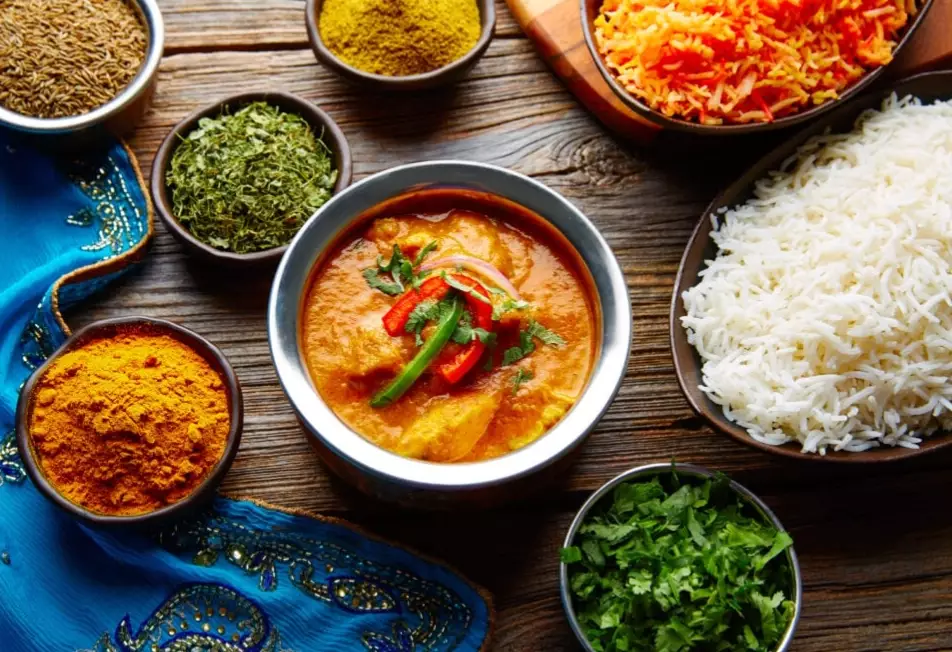
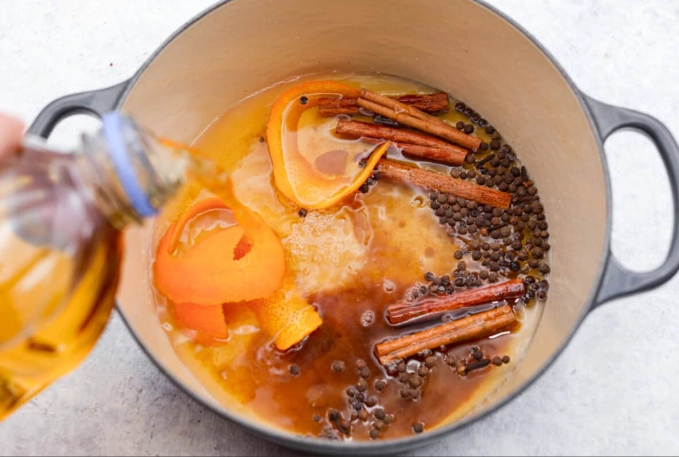
Let's cut to the chase. The soul of a great Pancit Palabok isn't the noodles or the toppings—it's that rich, savory, slightly tangy, and brilliantly orange sauce that coats every strand. Get the Palabok sauce ingredients wrong, and you end up with a bland, greasy, or just plain weird noodle dish. Get them right, and you've unlocked one of the most comforting flavors in the Filipino kitchen.
I've made this sauce more times than I can count, for family gatherings and lazy Sundays alike. I've also messed it up royally—using the wrong shrimp, burning the garlic, ending up with a sauce that's too thin or too pasty. Through all that, I've learned what truly matters. This guide isn't just a list. It's a deep dive into why each component is there, where you can find it, and the subtle mistakes that separate a good sauce from an unforgettable one.
What's Inside This Guide
What Exactly Is Palabok Sauce?
Palabok sauce is a thick, gravy-like sauce that defines the Filipino noodle dish Pancit Palabok. Its base is a shrimp-infused broth, thickened with a roux (often from flour or rice flour), and colored a vibrant orange-red primarily with annatto (atsuete). The flavor profile is complex: deeply savory from shrimp and pork, aromatic from garlic and onions, with a subtle tang from calamansi or lemon, all balanced by the slight sweetness of the annatto seeds.
It's not a spicy sauce. Its richness comes from layers of umami. Think of it as the Filipino answer to a great Bolognese or a velvety carbonara sauce—it's the main event that brings everything else on the plate together.
The Core Palabok Sauce Ingredients, Explained
Every ingredient has a job. Skip one or substitute poorly, and the whole balance shifts. Here’s the non-negotiable lineup.
| Ingredient | Its Role in the Sauce | The "Authentic" Choice | Common Substitutes (Use With Caution) |
|---|---|---|---|
| Annatto Seeds (Atsuete) | Provides the signature orange-red color and a mild, earthy, slightly peppery-sweet flavor. It does NOT taste like paprika. | Whole annatto seeds, soaked in hot oil or water to extract color. Annatto powder (achuete powder) is a convenient alternative. | Paprika (for color only, flavor is different). Turmeric (yellow hue, earthy flavor). Avoid tomato paste—it changes the flavor profile completely. |
| Shrimp & Shrimp Broth | The primary source of umami and seafood essence. This is the foundation of the sauce's depth. | Fresh shrimp heads and shells simmered to make a broth. Dried shrimp (hibe) ground into a powder or paste. | Shrimp bouillon cubes or powder. Bottled clam juice mixed with water (less ideal). Using only water results in a flat, bland sauce. |
| Garlic & Onion | The aromatic base. Garlic is crucial—it's sautéed until golden to build the first layer of flavor. | Fresh garlic cloves, minced. Yellow or white onion, finely chopped. | Garlic powder in a pinch (add with liquids). Onion powder. The fresh version is vastly superior. |
| Pork | Adds a rich, meaty savoriness and body, often in the form of ground pork or small diced pork belly. | Ground pork with a bit of fat. Finely diced pork belly (liempo). | Ground chicken (lighter flavor). Omitting it entirely makes a less robust sauce. |
| Fish Sauce (Patis) | The salt source and a key umami booster. It adds a distinct fermented savoriness that salt alone can't provide. | Filipino fish sauce brands like Rufina or Tiparos. | Soy sauce (different flavor, darker color). Salt (you'll lose complexity). |
| Flour or Rice Flour | The thickening agent. It creates the sauce's velvety, clinging texture. | All-purpose flour for a traditional roux. Rice flour for a slightly glossier, gluten-free finish. | Cornstarch slurry (added at the end, can make sauce gloppy if overdone). |
| Calamansi or Lemon | Provides the essential bright, tangy finish that cuts through the richness. Added at the very end. | Fresh calamansi juice. Bottled calamansi concentrate. | Fresh lemon juice. Fresh lime juice (more bitter). Do not use vinegar—the acidity profile is wrong. |
The Supporting Cast: Toppings and Noodles
While not part of the sauce itself, the classic palabok toppings are what you'll smother with your glorious sauce. They add texture and extra flavor layers:
- Chicharrón (Pork Cracklings): Crushed, for crunch.
- Tinapa (Smoked Fish): Flaked, usually milkfish, for a smoky note.
- Hard-Boiled Eggs: Sliced.
- Spring Onions & Fried Garlic: For freshness and aroma.
- Noodles: Use thin rice sticks (bihon). They're the perfect vehicle for the thick sauce.
How to Make Authentic Palabok Sauce: A Step-by-Step Process
Here’s how I layer the flavors. It’s a process, but none of the steps are difficult.
1. Make the Annatto Oil (Atsuete Oil). This is your color base. Heat ¼ cup of cooking oil in a small pan over low heat. Add 2 tablespoons of annatto seeds. Let them steep for 3-5 minutes until the oil turns a deep red. Don't let the seeds burn—low heat is key. Strain out the seeds and keep the oil. You can also use annatto powder mixed directly into the oil later.
2. Build the Aromatics. In a large pot or wok, heat your annatto oil. Sauté a full head of minced garlic (yes, a whole head) and one chopped onion until the garlic is golden and fragrant. This is where you build the first flavor layer. Go slow. Burnt garlic tastes bitter and will ruin the sauce.
3. Brown the Pork. Add ½ pound of ground pork. Cook until it's no longer pink and has released some fat. That pork fat will now carry the annatto color and garlic flavor throughout the sauce.
4. Create the Roux. Sprinkle in ½ cup of all-purpose flour over the pork mixture. Stir constantly for about 2 minutes to cook out the raw flour taste. It will look pasty and clumpy—that's fine.
5. Incorporate the Liquids Gradually. This is the trickiest part to avoid lumps. Slowly pour in about 4-5 cups of your prepared shrimp broth, about a cup at a time, whisking vigorously after each addition until smooth before adding more. Once all the broth is in, bring it to a simmer.
6. Season and Simmer. Add 2-3 tablespoons of fish sauce (start with less, you can add more). If you're using ground dried shrimp, add it now. Let the sauce simmer gently for 10-15 minutes, stirring occasionally, until it thickens to a gravy-like consistency that coats the back of a spoon. If it gets too thick, add a bit more broth or water.
7. The Final Touch. Turn off the heat. Stir in the juice of 3-4 calamansi or 1 small lemon. Taste and adjust seasoning with more fish sauce if needed. The tang should be present but not overpowering.
3 Common Palabok Sauce Mistakes (And How to Fix Them)
I've seen (and made) these errors enough to call them out.
Mistake 1: Using the Wrong "Shrimp" Flavor
The Problem: Relying solely on weak shrimp powder or a bouillon cube. The sauce tastes artificial and one-dimensional.
The Fix: Double down on shrimp essence. Use both a robust homemade shrimp broth AND a tablespoon of finely ground dried shrimp (hibe). The broth provides liquid depth, the dried shrimp adds a concentrated umami punch. Check the ingredients on your shrimp powder—if it's mostly salt and MSG, it's not doing enough work.
Mistake 2: A Watery or Gluey Sauce
The Problem: Incorrect thickening. Adding a cornstarch slurry to a large batch is risky—it can turn glossy and oddly sticky as it cools.
The Fix: Stick with a flour roux. Cooking the flour in fat (the annatto oil and pork fat) before adding liquid not only prevents lumps but gives the sauce a richer, more velvety texture that holds up better. If your sauce is too thin after simmering, make a small slurry of 1 tbsp cornstarch and 2 tbsp cold water, stir it in, and simmer for one more minute. Add sparingly.
Mistake 3: Burnt or Raw-Tasting Garlic
The Problem: Garlic sautéed over too-high heat turns bitter in seconds. Undercooked garlic tastes harsh and raw.
The Fix: Medium-low heat. Patience. Sauté the garlic until it's just turning a light golden brown and smells incredibly fragrant. If you see it browning too fast, pull the pan off the heat for a moment. This step sets the entire aromatic tone of the sauce.
Where to Buy Palabok Sauce Ingredients: A Shopper's Guide
You don't need a specialty Filipino store for everything, but it helps for key items.
- Annatto Seeds/Powder (Atsuete): Find these in the spice aisle of any well-stocked Asian or Latino grocery store. Online retailers like Amazon also carry them. A small bag lasts forever. Price: $3-$5.
- Dried Shrimp (Hibe): Essential. Look for them in plastic bags in the dried goods section of Asian markets. Choose medium-sized, pinkish-orange shrimp. Avoid ones that look gray or dusty. Price: $5-$8 per bag.
- Rice Noodles (Bihon): Any Asian market. Sometimes in the international aisle of large supermarkets.
- Fish Sauce (Patis): Thai or Vietnamese brands like Squid or Three Crabs work in a pinch, but Filipino brands (Rufina, Tiparos) have a slightly different, preferred flavor profile for this dish.
- For the Broth: Get fresh shrimp with heads-on from a fishmonger or the seafood counter. Ask for extra heads/shells—they're often cheap or free. For pork, ground pork from your regular supermarket is perfect.
Your Palabok Sauce Questions, Answered
Mastering the Palabok sauce ingredients is a journey. Start with the best components you can find, pay attention to the steps where flavor builds (toasting garlic, making broth), and don't be afraid to taste and adjust as you go. The first time you nail that perfect balance of savory, tangy, and rich, you'll understand why this sauce is a Filipino favorite. Now go cook.