Let's be honest. When you think of a quick, healthy weeknight dinner, fish isn't always the first thing that comes to mind. We worry it's tricky to cook, easy to mess up, or just too expensive. But what if I told you there's a fish that solves all of that? Enter pollock. It's the mild, flaky, affordable white fish that's been hiding in plain sight, and it's about to become your new kitchen staple. This guide isn't just a list of recipes; it's everything I've learned from years of cooking pollock, from avoiding the common pitfalls to unlocking its full, delicious potential.
In This Article: What You'll Learn
Why Pollock Deserves a Spot on Your Plate (Beyond Just Being Cheap)
I get it. "Affordable" can sometimes sound like a polite way of saying "bland." That's not the case here. Pollock's mild flavor is its superpower—it's a blank canvas that happily takes on any seasoning or sauce you throw at it. Think of it as the chicken breast of the sea. But there's more.
Nutritional Punch: It's packed with lean protein and is a fantastic source of vitamin B12 and selenium. It's also lower in mercury than many larger fish, making it a great regular choice. According to information from the NOAA Fisheries, a lot of the pollock we eat comes from well-managed, sustainable fisheries, particularly in Alaska. So you can feel good about buying it.
The Texture Test: When cooked right, it yields large, soft flakes. It's less dense than cod or haddock, which actually makes it more forgiving. Overcook a salmon, and it's dry. Overcook a pollock slightly, and with a good sauce, you might not even notice.
My Personal Take: I started using pollock because my budget demanded it. I stuck with it because my family loved it. The real game-changer was realizing I didn't have to treat it like a "lesser" fish. Give it the same care—patting it dry, seasoning well, not overcrowding the pan—and it performs like a champion.
Buying & Preparing Pollock: The Non-Negotiable First Steps
Skip this part, and you're fighting an uphill battle. Most of the common complaints about pollock ("it's watery," "it falls apart," "it tastes bland") stem from skipping these basics.
How to Pick the Best Pollock Fillets
You'll usually find it frozen, and that's perfectly fine—often better, since it's frozen at peak freshness. Look for fillets that are:
- Individually vacuum-sealed or in clear packaging with little to no visible ice crystals (a sign of freezer burn).
- A consistent, off-white color. Avoid any with yellowing or gray patches.
- From a trusted brand or source that mentions "Alaska pollock" or sustainability.
Fresh pollock is rarer. If you find it, the flesh should be firm, smell clean and briny (not fishy), and bounce back when pressed lightly.
The Single Most Important Prep Tip (That Everyone Skips)
Thaw it slowly in the fridge overnight. Never use warm water or the microwave. This prevents the flesh from becoming mushy. Once thawed, take five extra seconds: lay the fillets on a stack of paper towels and gently pat them completely dry on all sides. Moisture is the enemy of a good sear and leads to steaming. This step alone will transform your pan-fried pollock.
3 Core Cooking Methods for Pollock, Demystified
Pollock is versatile, but these three methods cover 95% of what you'll want to do. Each has a different goal.
| Method | Best For | Key to Success | Internal Temp |
|---|---|---|---|
| Pan-Frying / Searing | A quick, crispy exterior with a tender inside. Perfect for weeknights. | Hot pan, enough oil, and don't move the fish for the first 2-3 minutes. | 145°F (63°C) |
| Baking / Roasting | Hands-off cooking, infusing flavors with herbs and vegetables. | Use a parchment-lined tray or foil packet to lock in moisture. | 145°F (63°C) |
| Poaching & Stewing | Ultra-moist, flaky fish that absorbs surrounding flavors (chowders, curries). | Add fish last, simmer gently—don't boil—until just cooked through. | Flakes easily |
How to Pan-Fry Pollock Perfectly (The "No-Stick" Method)
This is where most people get nervous. Here's my foolproof routine:
Start with dry fillets. Season liberally with salt and pepper. Heat a stainless steel or cast-iron skillet over medium-high heat for a full minute. Add a high-smoke-point oil (avocado, grapeseed) or a mix of oil and butter. Wait until the oil shimmers.
Lay the fillets in, presentation-side down. They should sizzle immediately. Now, the hard part: walk away. Don't poke. Don't peek. Let a beautiful golden crust form for 2.5 to 3.5 minutes, depending on thickness.
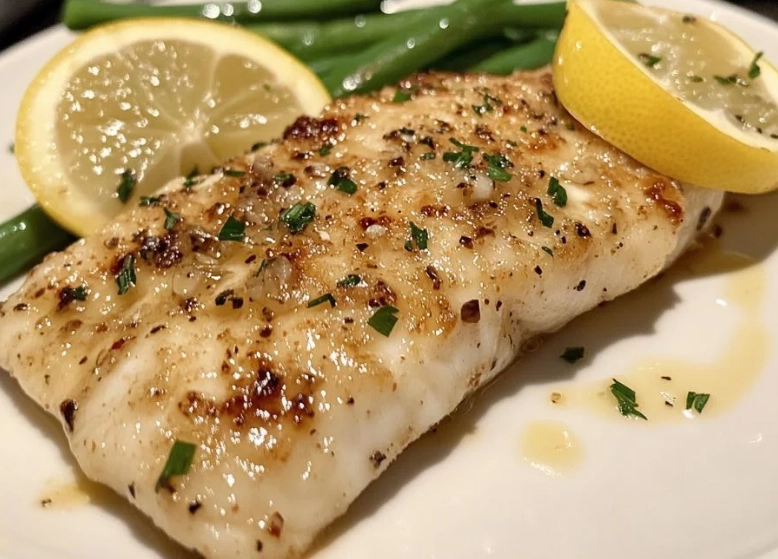
Gently flip with a thin spatula. Cook for another 1-2 minutes. The fish is done when it feels firm to a gentle press and flakes. That's it. Squeeze lemon over it. You've just made a restaurant-quality fillet in under 10 minutes.
Recipe Showcase: From Simple to Special
1. The 15-Minute Lemon Garlic Pan-Fried Pollock
This is my weeknight MVP. After removing the cooked fish from the pan, I toss in a few minced garlic cloves and a pinch of chili flakes into the leftover oil for 30 seconds until fragrant. Then, I turn off the heat, stir in a couple tablespoons of butter, a big squeeze of lemon juice, and some chopped parsley. Spoon this sauce over the fish. Instant elegance with zero extra work.
2. "Set It and Forget It" Mediterranean Baked Pollock
On a parchment-lined baking sheet, I create a bed with cherry tomatoes, sliced red onion, and Kalamata olives. Drizzle with olive oil, salt, and oregano. Place the pollock fillets on top, season them, and lay a couple of thin lemon slices on each. Bake at 400°F (200°C) for 12-15 minutes. The vegetables roast, the fish steams gently above, and everything ends up on one tray for easy cleanup.
3. Hearty Pollock and Corn Chowder
This is where pollock shines. Sauté diced bacon, then cook onions and celery in the fat. Add diced potatoes, thyme, and enough chicken or vegetable broth to cover. Simmer until potatoes are tender. Reduce heat to a gentle simmer, add fresh or frozen corn and cubed pollock. Cook for just 4-5 minutes until the fish is opaque. Finish with a splash of cream or milk. It's comforting, filling, and stretches a pound of fish into multiple meals.
Storing & Using Leftovers Smartly
Cooked pollock keeps in the fridge for up to 2 days. The key is to let it cool completely before covering it. My favorite leftover hack? Flake it cold into a bowl. Mix with a little mayo, Dijon, celery, and herbs for a fantastic fish salad sandwich. Or, fold it into scrambled eggs the next morning. Don't reheat it aggressively—it'll dry out. Gentle warming in a sauce is best.