Let's be honest. The thought of making a proper Filipino Mechado—that glorious, tomato-based beef stew with potatoes and carrots—used to mean dedicating a good chunk of your afternoon to babysitting a pot. You'd brown the beef, simmer it for hours until it surrendered to tenderness, all while hoping the sauce reduced to that perfect, clingy consistency. It was a weekend project. Not anymore. Using a pressure cooker for your Mechado recipe isn't just a shortcut; it's a complete game-changer that delivers fall-apart tender beef and deep, developed flavors in about an hour, start to finish. This method preserves everything we love about the traditional dish while fitting seamlessly into a busy weeknight.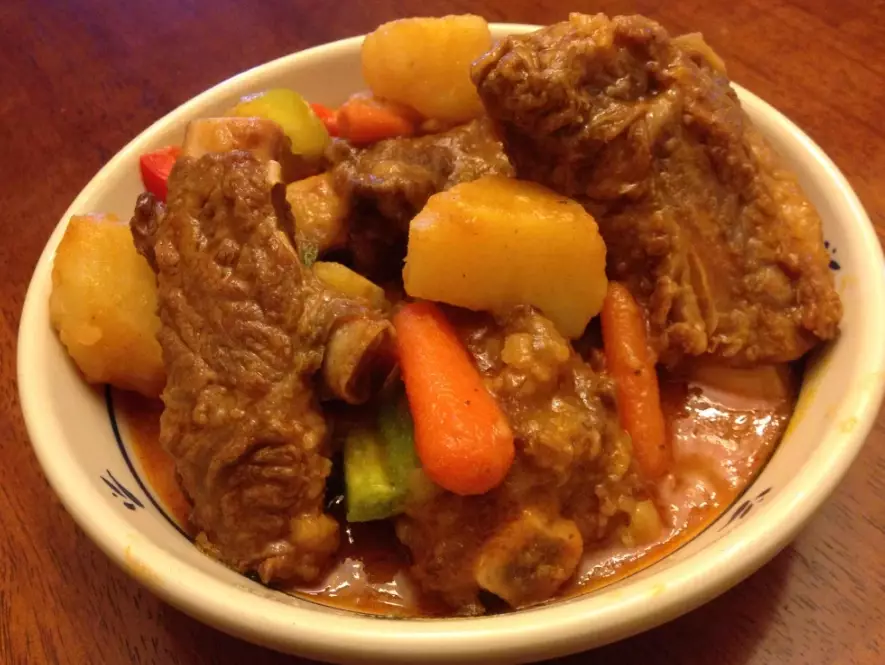
What You'll Find in This Guide
Why a Pressure Cooker is a Mechado Game-Changer
I resisted the pressure cooker for years, thinking it was just for beans or broth. Then I tried it with a tough cut of beef for Mechado. The result was revelatory. The high-pressure environment does two critical things that a regular pot struggles with on a tight timeline.
First, it tenderizes connective tissue rapidly. Cuts like chuck roast or brisket are packed with collagen. Low and slow heat breaks this down into gelatin over hours, giving the stew its body. A pressure cooker achieves this breakdown in 30-40 minutes. The meat becomes fork-tender without drying out.
Second, it forces flavor deep into the meat. The intense pressure pushes the braising liquid—that savory mix of soy sauce, citrus, and tomatoes—into every fiber of the beef. You get a more uniformly seasoned, flavorful piece of meat in a fraction of the time.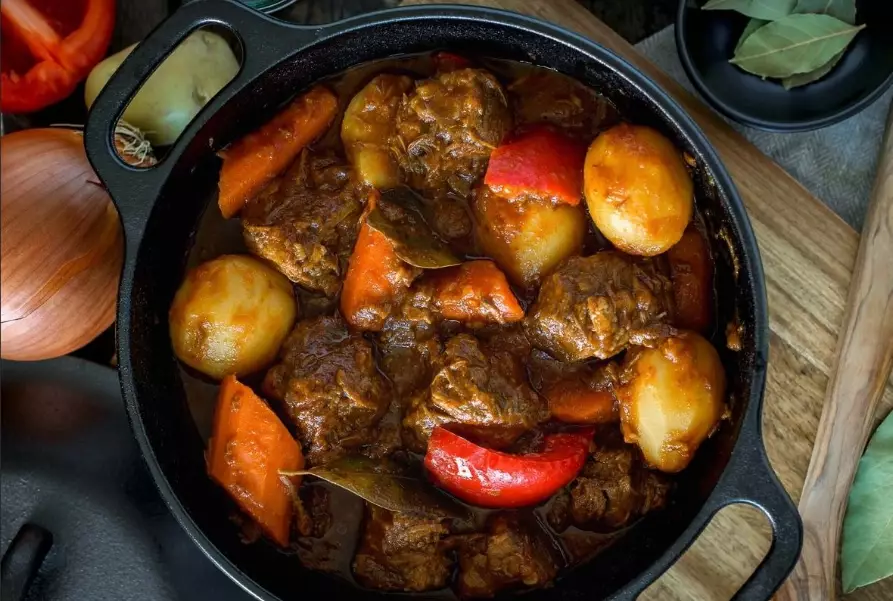
The Time Savings is Real: A traditional stovetop Mechado can take 2.5 to 3 hours of active and passive cooking. This pressure cooker version cuts that down to about 15 minutes of prep and 45 minutes of mostly hands-off cooking (including the time for the pot to come to pressure and release naturally). You're looking at a 60-75 minute total project.
The Mechado Ingredients: A Simple Breakdown
Your Shopping List
The Beef (The Star): 2 to 2.5 pounds of beef chuck roast, cut into 1.5-inch cubes. This is non-negotiable for me. Chuck has the perfect fat marbling and connective tissue for stewing. Avoid lean cuts like sirloin; they'll turn tough and dry under pressure.
The Aromatics (The Foundation): One large onion, chopped. Six cloves of garlic, minced. These are the base of almost all Filipino savory dishes. Don't skimp.
The Liquid & Seasoning (The Soul):
- Soy Sauce: 1/4 cup. Use a regular Filipino or Chinese soy sauce like Silver Swan or Lee Kum Kee. Light soy sauce is too salty, and dark soy is too sweet and intense for this.
- Calamansi or Lemon Juice: 3 tablespoons. The citrus brightens the rich stew. Bottled calamansi juice works fine if fresh isn't available.
- Tomato Sauce: One 8-oz can. This is the base of the gravy. Don't use tomato paste; it's too concentrated.
- Beef Broth: 1 cup. Use low-sodium if possible, since the soy sauce adds plenty of salt.
- Bay Leaves: 2-3 pieces. They add that subtle, herbal background note.
- Whole Peppercorns: 1 teaspoon. Crack them lightly with the back of a knife to release more flavor.
The Vegetables (The Hearty Finish): 2 large potatoes and 2 large carrots, peeled and cut into chunks slightly larger than the beef. They go in after pressure cooking to avoid turning to mush.
The Fat (For Browning): 2 tablespoons of cooking oil. A neutral oil like canola or vegetable oil is perfect.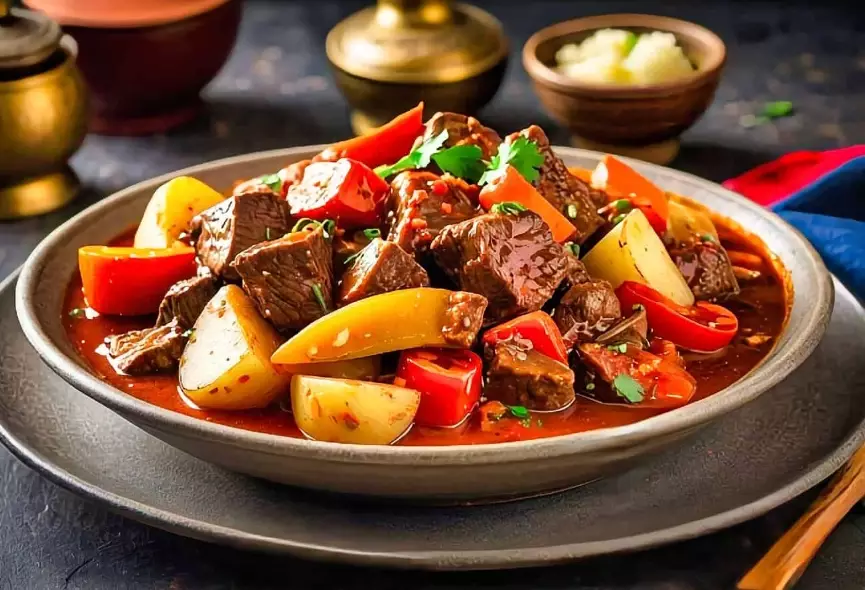
How to Make Mechado in a Pressure Cooker: Step-by-Step Guide
Step 1: The Sear (Don't Skip This)
Set your pressure cooker to "Sauté" mode (or use a regular pot on the stove if your model doesn't have it). Heat the oil until it shimmers. Pat your beef cubes very dry with paper towels. This is the secret to a good sear, not a steam. Working in batches to avoid crowding, brown the beef on all sides. You're not cooking it through, just building a flavorful fond (those brown bits) on the bottom of the pot. This step adds a deep, meaty complexity that pressure cooking alone can't replicate. Transfer the browned beef to a plate.
Step 2: Building the Flavor Base
In the same pot with the drippings, sauté the onions until soft. Add the garlic and cook for another minute until fragrant. Now, pour in the soy sauce and lemon juice. Let it sizzle for 30 seconds—this deglazes the pot, lifting all that fond. Add the tomato sauce, beef broth, bay leaves, and peppercorns. Stir well and return the browned beef (and any juices) to the pot.
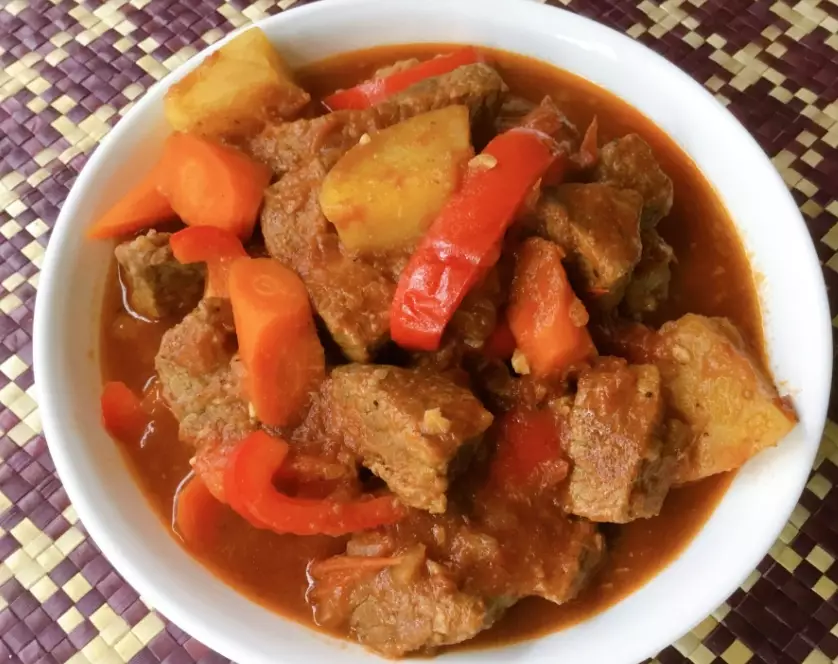 Step 3: The Pressure Cook
Secure the lid on your pressure cooker. Make sure the valve is set to "Sealing." Select "High Pressure" and set the timer for 35 minutes. The pot will take about 10-15 minutes to come to pressure. Once the timer beeps, let the pressure release naturally for 15 minutes. Then, carefully turn the valve to "Venting" to release any remaining pressure. A full natural release helps keep the meat tender.
Step 4: Finishing with Vegetables
Open the lid. The beef should be incredibly tender. Now, add the potato and carrot chunks. If the sauce seems too thin, you can turn on "Sauté" mode again to simmer and reduce it slightly with the lid off. Cook the vegetables for about 8-10 minutes, or until they are just tender but not falling apart. Taste and adjust seasoning—you might add a pinch of sugar if the tomatoes are too acidic, or a splash more soy sauce.
3 Common Pressure Cooker Mechado Mistakes (And How to Avoid Them)
After making this dozens of times, I've seen (and made) the errors. Here's what to watch for.
1. Overfilling the Pot. A pressure cooker should never be more than 2/3 full, especially with liquids that foam. For this recipe, a 6-quart cooker is ideal. If you're using a smaller one, halve the recipe.
2. Adding the Vegetables Too Early. This is the biggest texture killer. Potatoes and carrots cooked under high pressure for 35 minutes will disintegrate into a starchy, mushy soup. Always add them after pressure cooking during the final simmer.
3. Using "Quick Release" Immediately. Releasing all the pressure instantly causes the boiling point inside the meat to drop rapidly, making the muscle fibers seize up and toughen. Always allow at least a 10-15 minute natural pressure release for stewed meats.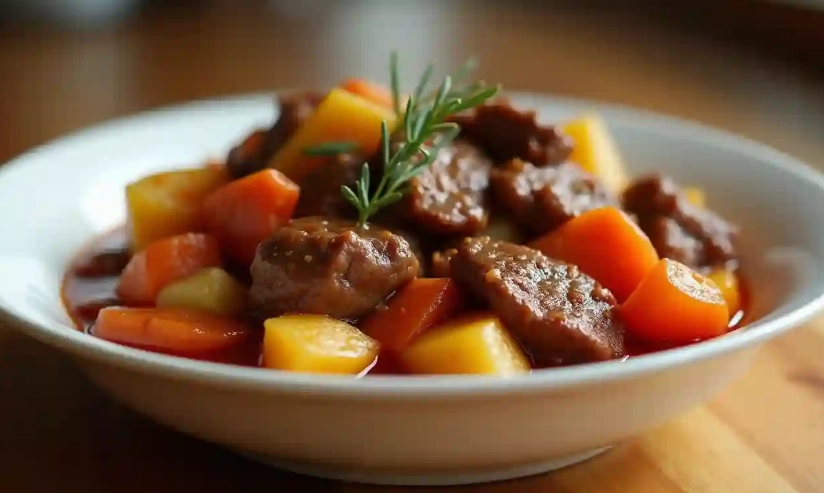
Serving, Storing, and Making It Your Own
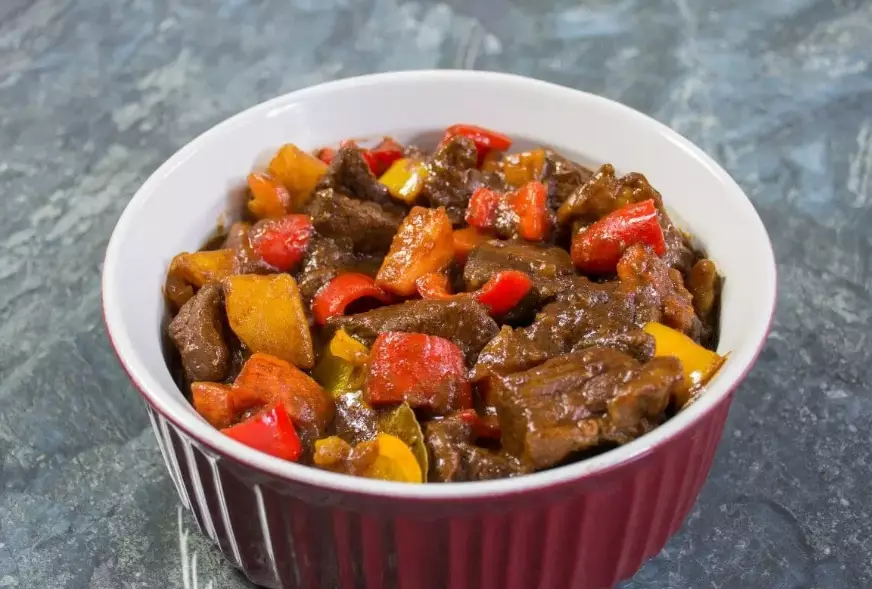
Serve your pressure cooker Mechado steaming hot over a huge mound of white rice. The rice is essential for soaking up that incredible sauce. A side of atchara (pickled green papaya) cuts through the richness perfectly.
Leftovers? They're arguably better the next day. Store in an airtight container in the fridge for up to 4 days. The flavors meld and deepen. You can also freeze it for up to 3 months. Reheat gently on the stovetop, adding a splash of water or broth if needed.
Want to tweak it? Some families add a diced red bell pepper with the onions. A tablespoon of fish sauce (patis) added with the soy sauce adds another layer of umami. For a richer sauce, stir in a couple of tablespoons of liver spread or pâté after pressure cooking—it's a classic, if divisive, addition.
Your Mechado Questions, Answered
Can I use chicken instead of beef for Mechado?
Technically, a chicken stew with similar flavors would be called "Chicken Afritada." You can adapt this method for chicken thighs (bone-in, skin-on for best flavor). Reduce the pressure cooking time to 10-12 minutes on high pressure, followed by a quick release, then add your vegetables to simmer.
My Mechado sauce is too thin. How can I thicken it properly?
After adding the vegetables, keep the pot on "Sauté" mode with the lid off. Let it bubble gently for 10-15 minutes. The reduction will naturally thicken the sauce. If you're still not satisfied, make a simple slurry: mix 1 tablespoon of cornstarch with 2 tablespoons of cold water until smooth. Stir this into the simmering stew and cook for 2 minutes until thickened. Avoid adding flour directly to the hot liquid—it will clump.
 I don't have a pressure cooker with a "Sauté" function. Can I still make this?
Absolutely. Do the browning (Step 1) and sautéing (Step 2) in a regular skillet or Dutch oven on the stovetop. Then, transfer everything to your stovetop pressure cooker. After pressure cooking, you can finish simmering the vegetables back in the original skillet or in the pressure cooker pot over low heat if it's safe for direct stovetop use.
Is it safe to double this recipe?
Check your pressure cooker's maximum fill line first. As a rule, you should not exceed 2/3 full. In an 8-quart cooker, doubling is usually fine. The pressure cooking time remains the same (35 minutes on high), but it will take longer for the larger volume of food to come to pressure. Do not double the liquid exactly; use about 1.5 times the broth and soy sauce, then adjust after cooking.
The beef is tender but the flavor seems a bit flat. What went wrong?
This usually points to two issues. First, you might not have seared the beef properly or deglazed the pot well. Those browned bits are flavor gold. Second, pressure cooking is so efficient it can sometimes mute bright flavors. Always do a final taste adjustment at the end. A squeeze of fresh calamansi or lemon juice, a crack of black pepper, or even a tiny pinch of MSG (vetsin) can wake the whole dish up.