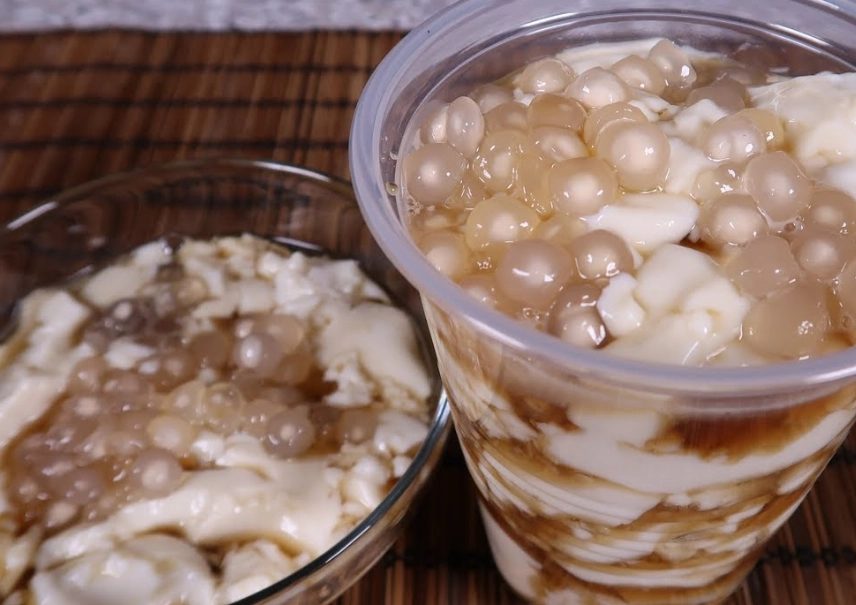
If you've ever had taho in the Philippines, the first thing that hits you is the warm, sweet, caramel-like syrup that coats the soft tofu and sago pearls. That brown syrup isn't just sugar water—it's a specific, beloved component with its own name and tradition. It's called arnibal (pronounced ar-nee-BAHL).
Getting the arnibal right is what separates memorable taho from a forgettable one. Too thin and it's just sweet liquid; too thick and it becomes a sticky mess. As someone who's chased down taho vendors from Manila to Cebu and tried (and failed) to perfect it at home more times than I'd like to admit, I've learned that this syrup holds all the secrets. Let's break it down.
Quick Guide to Taho's Sweet Secret
What Exactly is Arnibal?
Arnibal is the official term for the sweet, brown syrup served with taho. The word itself is derived from the Spanish "almíbar," which means syrup or simple syrup. But Filipino arnibal is distinct. It's not a clear simple syrup; it's a rich, dark syrup made primarily from dark muscovado sugar (or sometimes dark brown sugar) and water, often infused with the subtle fragrance of vanilla or pandan leaves.
Its primary job is to sweeten the relatively plain silken tofu and the chewy sago (tapioca pearls). But it does more than that. A good arnibal has a deep, molasses-like flavor that adds complexity. It should be viscous enough to cling to the tofu but fluid enough to be easily drunk from the cup at the end. The consistency is key—think of warm maple syrup, not honey.
Here's something most food blogs get wrong: they call it "brown sugar syrup." That's technically true, but it misses the cultural mark. Calling it "arnibal" immediately signals you know your Filipino food. It's like calling the French mother sauces by their proper names—it shows depth.
The Simple Ingredients of Taho Syrup
The ingredient list is deceptively short. The magic is in the sourcing and the ratios.
| Ingredient | Role in Arnibal | What to Look For & Notes |
|---|---|---|
| Dark Muscovado Sugar | The star. Provides the deep brown color, rich molasses flavor, and distinct caramel notes. | This is non-negotiable for authenticity. Light brown sugar makes a pale, flat-tasting syrup. Look for unrefined, sticky muscovado. Brands like Baguio Sugar or Coco Sugar (the dark variety) are perfect. |
| Water | Dissolves the sugar and creates the syrup base. | Just use regular filtered water. The ratio to sugar is crucial for consistency. |
| Pandan Leaf (Optional but Traditional) | Adds a unique, fragrant, vanilla-like aroma that elevates the syrup. | A 4-6 inch leaf, knotted, simmered with the syrup. If you can't find it, a tiny drop of pure vanilla extract is an okay substitute, but the flavor profile changes. |
| Vanilla (Modern Variation) | Adds a familiar, sweet aroma. | Some modern vendors or home cooks use a dash of vanilla extract instead of pandan. It's good, but it's not the classic street taste. |
I made the mistake once of using golden caster sugar.
The syrup was a sad, transparent yellow and tasted one-dimensional. It completely missed the point. The minerals and molasses in muscovado are what give arnibal its soul.
How Street Vendors Make Authentic Arnibal
Watching a taho vendor prepare their syrup in the early morning is a lesson in simplicity and scale. They're not using thermometers or precise measurements. It's all by sight and feel.
They typically use a large, deep pot. They combine water and a massive amount of dark muscovado sugar—the ratio is often in the ballpark of 1 part water to 1.5 or 2 parts sugar by volume. This creates a very concentrated solution.
The mixture is brought to a boil, then simmered for a significant time, maybe 15-25 minutes. They don't stir it much once it's boiling to avoid crystallization. The goal is to reduce it until it thickens slightly and coats the back of a spoon. The pandan leaf, if used, steeps in this bubbling cauldron.
Here’s the vendor secret I learned in Pampanga: they often make it in huge batches that stay warm in insulated containers all morning. The residual heat and the high sugar concentration act as a preservative. The syrup you get at 6 AM has a slightly thinner, more fluid consistency than the last servings at 10 AM, which have thickened further in the heat. That's not a flaw—it's part of the experience.
The "Thread" Test: Knowing When It's Done
Professional cooks talk about sugar stages (soft ball, hard crack). Taho vendors use a more practical test. They dip a spoon in, let it cool for a second, then check how it drips. They're looking for a syrupy "thread" that forms when they let the syrup drip from the spoon. Too thin, and it runs like water. Too thick, and it forms a glob. It needs to be in between—a steady, viscous stream. This is the hardest part to get right at home without practice.
Why This Syrup is More Than Just a Sweetener
Arnibal is the unifying element of taho. The tofu provides the protein and soft texture, the sago gives a fun chew, but the arnibal delivers the comforting, familiar sweetness that makes it a treat. It transforms a nutritious soybean product into a beloved dessert or merienda (afternoon snack).
Its flavor profile—deep, caramelized, with a hint of minerality from the muscovado—is uniquely Filipino. It doesn't taste like American caramel or butterscotch. It's earthier. This connects taho directly to other Filipino sweets like kalamay or bibingka, which also use muscovado or coconut sugar.
You can learn more about the cultural context of Filipino sweets from resources like the National Commission for Culture and the Arts (NCCA) website, which documents traditional foodways.
How to Make Authentic Taho Syrup at Home
Want to recreate the magic? You can. Making arnibal is easier than making perfect silken tofu from scratch. Here’s a reliable method that scales down the vendor process.
Ingredients:
- 1 cup dark muscovado sugar (packed)
- 2/3 cup water
- 1 knottted pandan leaf (or 1/4 tsp pure vanilla extract)
Steps:
- In a medium saucepan, combine the water and muscovado sugar. Don't stir yet—just let the water wash over the sugar.
- Add the pandan leaf if using.
- Place the pot over medium heat. Let it come to a gentle boil without stirring. You can swirl the pan occasionally if needed.
- Once boiling, reduce the heat to a steady simmer. Let it simmer for about 10-15 minutes. You'll see bubbles that look slightly syrupy.
- Remove the pandan leaf. Now, test the consistency. Dip a metal spoon in, let it cool for 5 seconds, then tilt it. The syrup should coat the spoon and drip off slowly, forming a thin thread. If it's too thin, simmer for another 2-3 minutes and test again. If it's too thick, add a tablespoon of hot water and whisk to combine.
- If using vanilla extract instead of pandan, stir it in after you turn off the heat.
- Let it cool slightly before pouring over your taho (soft tofu and cooked sago pearls). The syrup will thicken a bit more as it cools.
My biggest home-cook failure?
Stirring constantly like I was making a roux. It caused the sugar to crystallize on the sides of the pot, creating a grainy texture. Resist the urge. Let the heat do the work.
Your Taho Syrup Questions Answered
So, the next time you hear the call of "Tahoooo!" or decide to make your own, you'll know that the heart of the dish is that rich, brown arnibal. It's more than a topping—it's a direct link to Filipino culinary tradition, one sweet, sticky spoonful at a time.